Discover the truth behind brown rice and blood sugar: myths busted!
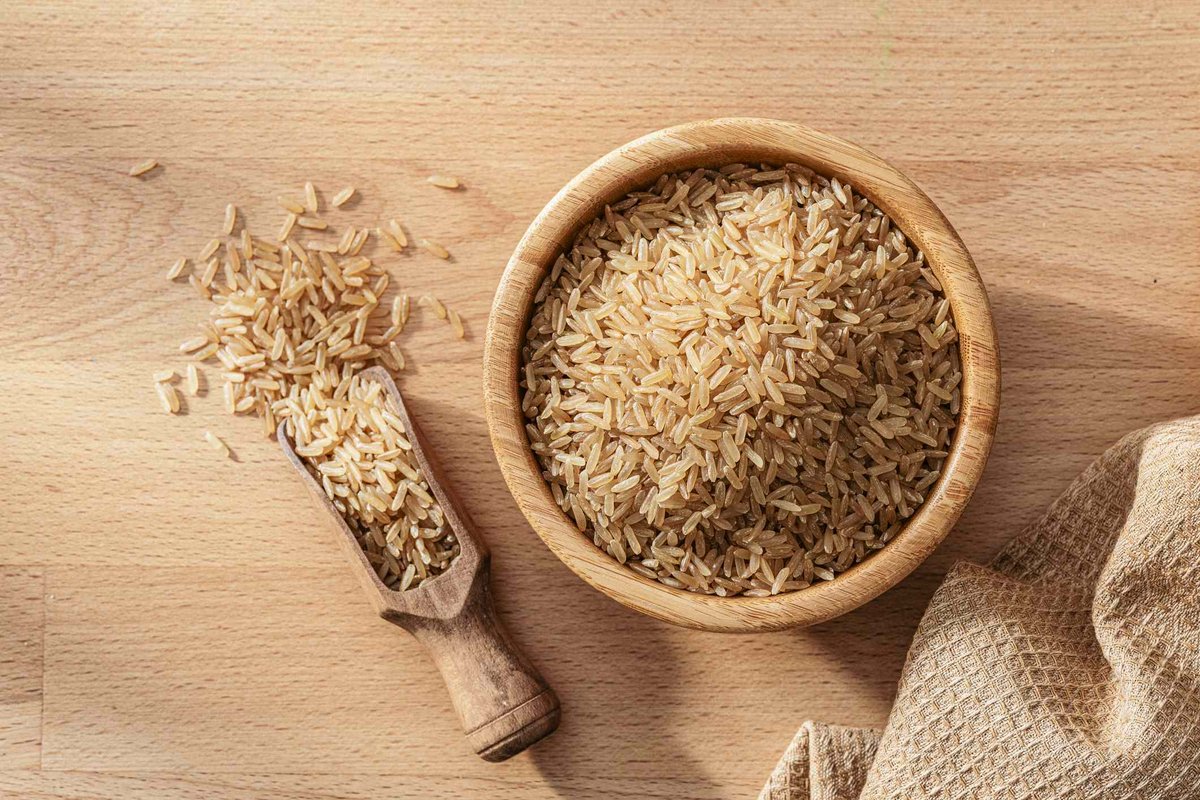
Brown rice is often celebrated as a healthier alternative to white rice, particularly when it comes to regulating blood glucose levels. Its rich nutritional profile, including higher fiber and protein content, contributes to more stable blood sugar fluctuations after meals. However, understanding exactly how brown rice influences our body and how to consume it effectively is essential to maximize both health benefits and sustained energy throughout the day.
How Brown Rice Impacts Blood Glucose Levels
One of the key advantages of brown rice is its substantial fiber content—approximately 3.2 grams per cooked cup—alongside higher protein levels nearing 5.5 grams. These nutrients not only promote prolonged satiety but also slow down digestion considerably. This slower digestion rate means that glucose is absorbed gradually, preventing rapid spikes and drops in blood sugar levels. Consequently, this leads to a lower and more controlled glycemic response compared to meals rich in refined carbohydrates or low-fiber foods.
This moderated glucose absorption is critical in avoiding dramatic blood sugar swings known to increase the risk of metabolic disorders such as type 2 diabetes over time. Therefore, brown rice serves as a strategic food choice for individuals aiming to improve glycemic control and maintain steady energy levels throughout the day.
Brown Rice vs. White Rice: Essential Differences
White rice undergoes processing that removes the bran and germ layers, stripping away much of its fiber and a significant portion of protein. This results in about 0.6 grams of fiber and 4.4 grams of protein per cooked cup—decidedly lower when compared to brown rice. The refining process also elevates its glycemic index (GI), a measure of how quickly foods raise blood sugar. Studies indicate that white rice has a GI of approximately 73, while brown rice measures around 63.
This means that consuming white rice leads to sharper and higher increases in blood glucose levels, which scientific evidence links with an elevated risk for type 2 diabetes. On the other hand, brown rice consumption may reduce this risk due to its favorable effects on blood sugar regulation.
How to Incorporate Brown Rice for Stable Energy
To optimize blood sugar management when eating rice, it is recommended to pair it with other nutrient-dense foods rich in fiber, protein, and healthy fats. These macronutrients collectively slow down carbohydrate digestion and absorption, thus preventing quick blood sugar fluctuations.
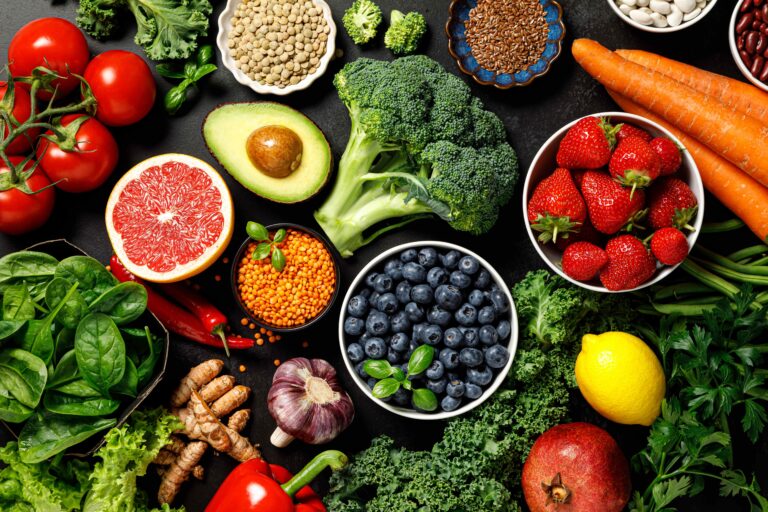
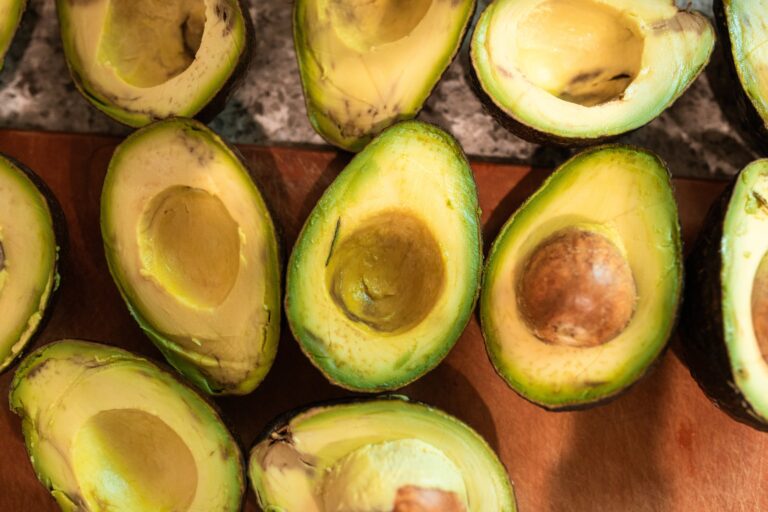
Fiber sources include fruits, vegetables, whole grains, nuts, and legumes; lean meats, fish, eggs, seeds, and legumes provide valuable protein; and healthy fats come from avocados, olive oil, nuts, and seeds. Combining these with brown rice creates balanced meals that support sustained energy release.
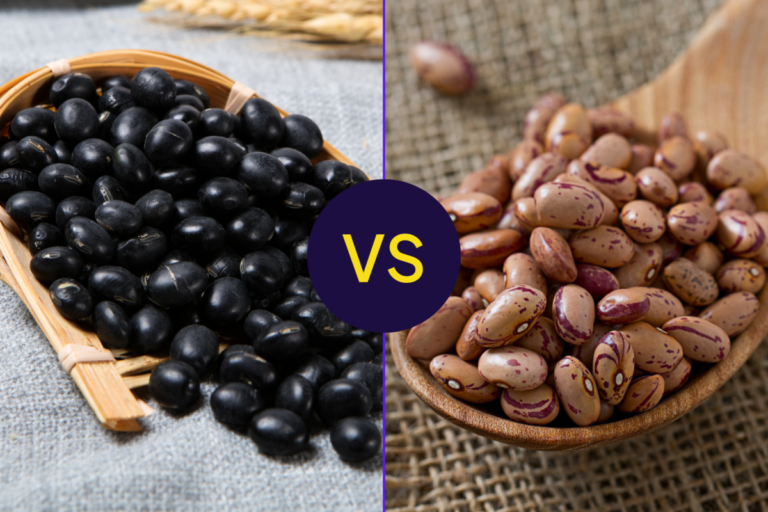
Delicious ways to enjoy brown rice include stir-fries with tofu or chicken, rice bowls with roasted vegetables and avocado, stuffed peppers with turkey and brown rice, burrito bowls featuring black beans, guacamole, and grilled chicken, brown rice pudding with fruits and nuts, or vegetable and tofu curries served over brown rice.
Brown Rice and Type 2 Diabetes Management
For individuals diagnosed with type 2 diabetes, consulting healthcare professionals before making dietary changes is vital. Brown rice can be a favorable choice compared to white rice due to its better glycemic profile. Nevertheless, because brown rice contains about 50 grams of carbohydrates per cooked cup, portion control is crucial.
Diabetics are advised to consume smaller servings—typically one-third to one-half cup—and combine them with sources of protein, fiber, and healthy fats to maintain blood sugar stability. Moreover, consistent monitoring of blood glucose levels will provide insights into personal responses to brown rice consumption, enabling tailored meal planning.
In summary, while brown rice offers substantial benefits over white rice in blood sugar regulation, mindful eating practices are essential for maximizing health outcomes and maintaining consistent energy throughout the day.

Thomas Smith is the editor of Weekly Wellness, specializing in health, lifestyle, and personal growth content.