Unlock the superfood power of buckwheat: expert tips to maximize health benefits
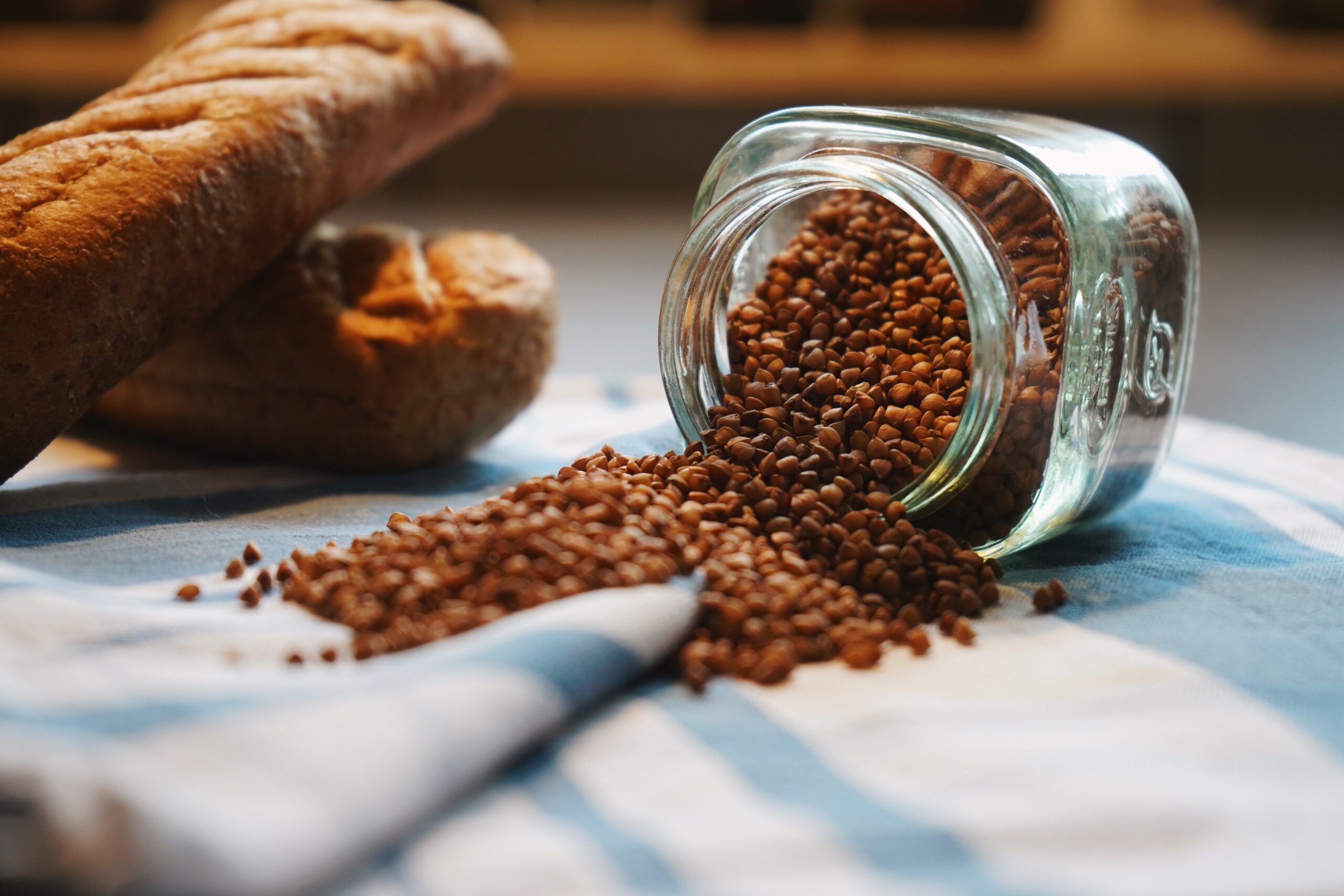
Buckwheat, although commonly mistaken for a grain, is actually a unique plant belonging to the rhubarb family, renowned for its exceptional nutritional value. Nutrition experts at the prestigious Cleveland Clinic classify buckwheat as an elite superfood due to its high content of complex carbohydrates, dietary fiber, and valuable plant-based proteins. Moreover, buckwheat is naturally gluten-free, making it an excellent dietary option for individuals seeking healthier alternatives to traditional grains like wheat.
The Invaluable Health Benefits of Buckwheat
A single cup of cooked buckwheat (approximately 170 grams) is packed with essential minerals such as magnesium and copper, as well as B vitamins that are crucial for maintaining optimal bodily functions. Nutritionists agree that regular consumption of buckwheat can positively influence various aspects of health, contributing to overall well-being and the prevention of chronic diseases.
One of the key advantages of buckwheat lies in its abundant soluble and insoluble dietary fibers that enhance digestive processes by accelerating food transit through the intestines and nourishing beneficial gut bacteria. This not only supports a healthy digestive system but also strengthens the immune system, which is vital for resisting infections and maintaining health.
Additionally, the plant-based compounds in buckwheat help reduce bad cholesterol levels (LDL) in the blood and protect blood vessels, thereby lowering the risk of cardiovascular diseases. Due to its high protein content, buckwheat promotes long-lasting satiety, helping control body weight and preventing overeating.
Another important property of buckwheat is its low glycemic index, which helps stabilize blood sugar levels, ensuring steady energy throughout the day and lowering the risk of developing diabetes. The antioxidants present in buckwheat combat free radicals, which are major contributors to inflammation and aging processes within the body.
The nervous system benefits greatly from the abundant B vitamins found in buckwheat, which help the body cope with stress and daily challenges. Insoluble fiber acts as a natural intestinal cleanser, soothing inflammatory processes in the gut, while magnesium abundance promotes vascular relaxation, regulates blood pressure, and improves heart function.
Expert Tips on Properly Preparing Buckwheat for Maximum Nutritional Gain
To fully harness the nutritional potential and flavor of buckwheat, it’s essential to follow several kitchen guidelines. First, thorough washing of buckwheat groats is crucial to remove any impurities. You can choose between two main preparation methods — using raw, unroasted buckwheat or lightly roasted buckwheat. Each method imparts a distinct aroma and texture, offering exciting opportunities for culinary experimentation.
It is important not to overcook buckwheat to preserve its delicate texture and nutritional integrity. Traditionally, buckwheat is cooked by combining one part groats with two parts hot water and simmering on low heat for about 15 minutes. Such preparation pairs wonderfully with fresh berries and olive oil or can be complemented with sautéed vegetables, avocado, and hard-boiled eggs for a balanced meal.
Buckwheat can also be used in refreshing summer salads by mixing cooled grains with cucumbers, tomatoes, fresh greens, and hard cheese. Additionally, raw buckwheat seeds can be ground into flour and incorporated into healthy baked goods such as pancakes or banana bread, providing a gluten-free alternative to wheat-based products.
Important Consumption Guidelines
When introducing buckwheat into your diet, it is advisable to do so gradually. Suddenly increasing fiber intake can lead to digestive discomfort including bloating and cramps. Starting with small portions and incrementally increasing them over several weeks allows your digestive system to adapt comfortably.
It is also important to be mindful of potential allergic reactions. Symptoms such as intolerance, itching skin, or breathing difficulties require immediate cessation of buckwheat consumption and consultation with a healthcare professional. Nevertheless, for the vast majority of people, buckwheat is a highly beneficial and safe food that supports sustained energy levels, overall wellness, and healthy bodily functions.
Optimal health begins with informed decisions in the kitchen, and buckwheat represents an outstanding choice for those aiming to follow a nutritious and balanced diet.

Thomas Smith is the editor of Weekly Wellness, specializing in health, lifestyle, and personal growth content.