
Unlock the morning miracle drink that naturally lowers your blood pressure!
Maintaining healthy blood pressure is a cornerstone of overall wellness and an essential preventive measure against cardiovascular diseases. Recent research highlights the profound impact daily dietary choices can have on blood pressure management, with particular emphasis on morning nutrition routines. Registered dietitians unanimously endorse beetroot juice as one of the most effective morning beverages to support healthy blood pressure levels.
The Power of Beetroot Juice in Blood Pressure Regulation
Beetroot juice is naturally rich in dietary nitrates – plant-based compounds that the body converts into nitric oxide. Nitric oxide plays a vital role in relaxing and dilating blood vessels, thereby improving vascular elasticity and enhancing blood flow. This physiological effect contributes to healthier blood pressure readings. Registered dietitian Avery Zenker explains, “Nitric oxide helps maintain healthy blood vessels, which is crucial for sustaining normal blood pressure.”
Experts emphasize that beetroot juice should not be considered a replacement for medication but rather a valuable complementary tool for individuals managing elevated blood pressure. Dietitian Carlyne Remedios points out, “Research shows that nitrates from beetroot can reduce systolic blood pressure by approximately 3 to 4 mmHg within a two-month period.” This modest but meaningful reduction can significantly benefit cardiovascular health when combined with a balanced lifestyle.
Nutrition Profile and Health Benefits of Beetroot Juice
A standard serving of 230 ml (about one cup) of beetroot juice offers a nutrient-dense yet low-calorie choice that supports cardiovascular health. It contains roughly 62 calories and minimal fat (only 0.1 grams), making it a light option suitable for daily consumption. With 47 mg of sodium – a relatively low amount – it does not pose a threat to blood pressure control.
Additionally, the juice supplies carbohydrates (14.7 grams) and dietary fiber (2.7 grams), which are essential for digestive health and sustained energy release. It is also a robust source of folate, magnesium, iron, and copper. These micronutrients contribute to heart health by supporting blood circulation and cellular functions.
Importantly, beetroot juice is rich in potassium (317 mg), a mineral that counteracts sodium’s adverse effects on blood pressure and helps maintain the flexibility of blood vessels. The combination of nitrates, antioxidants, and potassium makes beetroot juice a uniquely beneficial beverage for those focusing on cardiovascular wellness.
Incorporating Beetroot Juice into Your Daily Routine
For those interested in adding beetroot juice to their mornings, several practical tips can enhance the experience. It is advisable to choose 100% natural beetroot juices without added sugars or preservatives to maximize health benefits. Due to its strong earthy flavor, mixing beetroot juice with apple or lemon juice can create a more palatable taste.
Starting with smaller portions is also recommended to minimize potential digestive discomfort, gradually increasing the amount as tolerated. A clever idea is to freeze beetroot juice in ice cube trays, making it easy to incorporate into smoothies or cocktails throughout the day.
Beetroot juice is particularly appealing to those seeking natural methods for improving circulation and maintaining balanced blood pressure levels as part of a broader health strategy.
An Alternative Option: Hibiscus Tea for Blood Pressure Support
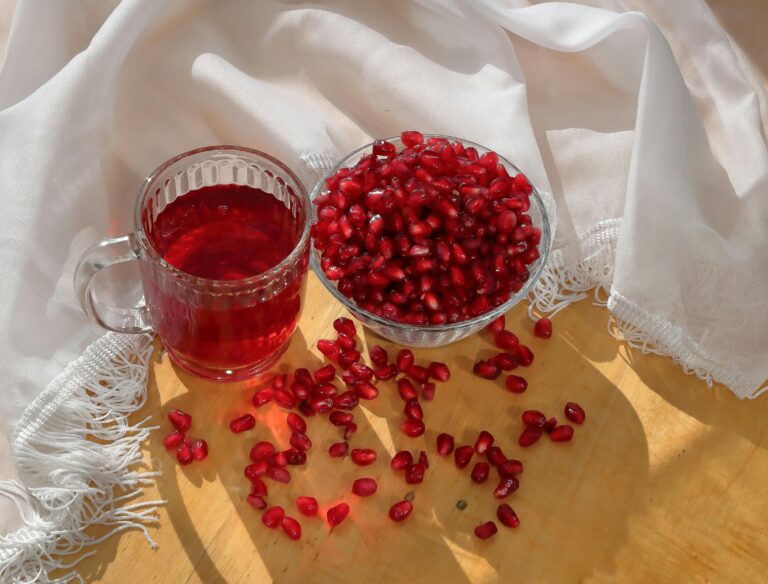
Alongside beetroot juice, dietitians recommend hibiscus tea as an effective natural beverage for blood pressure regulation. Made from the petals of the Hibiscus sabdariffa plant, this caffeine-free herbal tea is rich in antioxidants such as anthocyanins, which promote relaxation of blood vessels.
Dietitian Jennifer Pallian notes, “The antioxidants found in hibiscus tea assist in easing blood vessels and maintaining healthy blood pressure.” Clinical studies support the regular consumption of hibiscus tea over several weeks as a means to decrease systolic blood pressure, especially in individuals with mildly elevated readings.
Hibiscus tea’s gentle properties and antioxidant content make it a valuable addition to daily dietary habits for those committed to a heart-healthy lifestyle.
Choosing the Optimal Morning Beverage for Blood Pressure
Avery Zenker stresses that the best drinks for blood pressure management should be nutrient-rich while avoiding high sodium, added sugars, and saturated fats, which can elevate blood pressure and increase cardiovascular risk. Key components to look for include dietary nitrates, potassium, and antioxidants, which collectively support vascular health by promoting blood vessel relaxation, enhancing circulation, and reducing inflammation in the body.
While no single drink can replace the benefits of a balanced, healthy diet and lifestyle, integrating beetroot juice or hibiscus tea can offer meaningful support in maintaining optimal blood pressure. These beverages, paired with regular physical activity, stress management, and a nutrient-dense diet, create a holistic approach to cardiovascular health.

Thomas Smith is the editor of Weekly Wellness, specializing in health, lifestyle, and personal growth content.