Is your favorite fruit or veggie hiding toxic chemicals? the 2026 dirty dozen exposed!
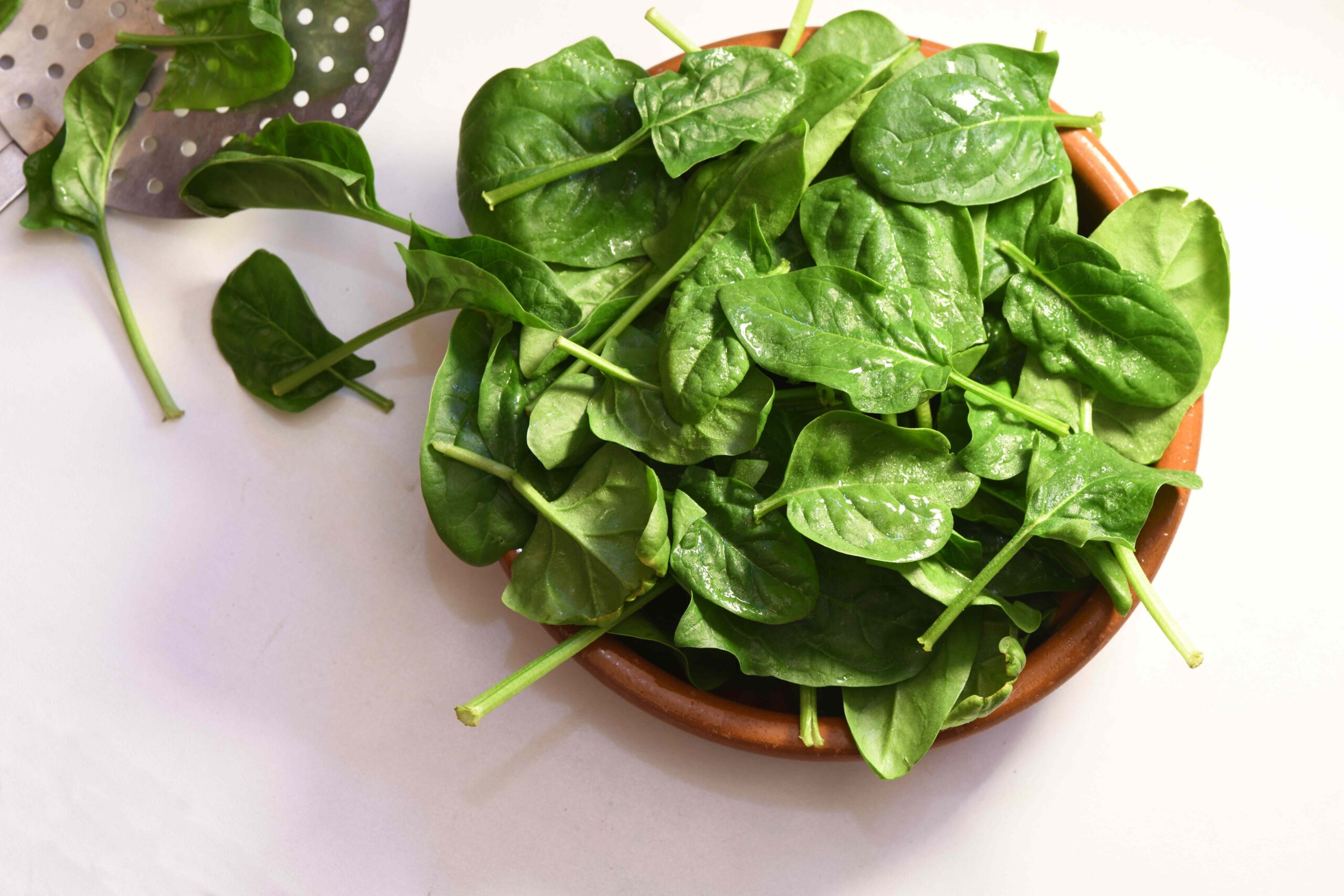
Every year, consumers become more conscious of the safety and quality of the foods they consume, especially when it comes to fruits and vegetables. In 2026, the Environmental Working Group (EWG) has once again released its infamous “Dirty Dozen” list, spotlighting the 12 types of produce with the highest residues of pesticides. Leading this list is spinach, followed by kale, strawberries, and apples among others. But what does this mean for everyday shoppers? Should you be worried about pesticide exposure, or is this list simply a guide to be taken with caution?
Understanding the Dirty Dozen and Its Purpose
Since 2004, the EWG has dedicated itself to providing consumers with transparent information regarding pesticide residues on fruits and vegetables. The annual “Dirty Dozen” list serves as a tool to help shoppers identify produce potentially loaded with pesticide residues, while its counterpart, the “Clean Fifteen,” highlights items with the lowest contamination levels. The 2026 list was compiled after analyzing more than 54,000 samples of 47 fruits and vegetables, sourced from the U.S. Department of Agriculture’s (USDA) Pesticide Data Program. Before testing, all produce was washed and prepared as it would be typically consumed, ensuring that the results reflect real-life scenarios.
The methodology involves evaluating not just the presence but also the toxicity and combinations of pesticide residues. Interestingly, three of the ten pesticides detected most frequently on the 2026 Dirty Dozen are PFAS, known as “forever chemicals” due to their persistence in the environment. Although the full impact of these chemicals on human health remains under research, this raises additional concerns about potential long-term effects, sparking calls for more studies to understand their toxicity.
Expert Opinions: A Balanced Perspective on Pesticide Residue Risks
Despite the clear data presented by the EWG, health experts urge caution against overinterpreting the implications of the Dirty Dozen list. Registered dietitians highlight that most fruits and vegetables sold in the market comply with safety standards established by regulatory bodies like the Environmental Protection Agency (EPA) and the Food and Drug Administration (FDA). In fact, about 97% of food samples in the U.S. meet these rigorous safety thresholds, with roughly 39% even showing no detectable pesticide residues at all.
Moreover, foods can appear on the Dirty Dozen list even when their pesticide levels are within federal safety limits. This nuance suggests that while pesticide presence is an important factor to consider, it does not inherently indicate an immediate health hazard warranting avoidance. Additionally, research into the health benefits of organic produce compared to conventionally grown ones shows limited evidence of significant differences in risk reduction, which questions the necessity of exclusively purchasing organic for health reasons.
Importantly, some nutritionists voice concerns that the list might unintentionally discourage consumption of fruits and vegetables among certain demographics, particularly low-income families, by creating fear around pesticide exposure. Since a diet rich in fruits and vegetables is vital for preventing chronic diseases such as cancer, diabetes, and heart disease, the priority should remain on encouraging consumption rather than fostering avoidance driven by pesticide fears.
Practical Advice for Consumers: Focus on Nutrition Over Fear
While the Dirty Dozen list provides valuable insights into potential pesticide exposure, experts unanimously agree it should not overshadow the fundamental message of eating ample fruits and vegetables. The nutritional benefits of these foods, including vitamins, antioxidants, and fiber, far outweigh the relatively low risks presented by pesticide residues within regulated limits.
Consumers are advised to practice simple preventive measures such as thoroughly washing produce under running water and peeling where appropriate, which can effectively reduce surface pesticide residues. Choosing organic options when feasible is a personal choice but not a strict necessity for everyone. The emphasis should be on maintaining a diverse, produce-rich diet rather than fixating on pesticide rankings.
In conclusion, the 2026 Dirty Dozen list serves as a useful reference point for understanding pesticide residue patterns but should not fuel unnecessary alarm. Prioritizing fruit and vegetable consumption remains a cornerstone of good health, as balanced nutrition contributes to disease prevention and overall well-being.

Thomas Smith is the editor of Weekly Wellness, specializing in health, lifestyle, and personal growth content.