Rediscover the ancient superdrink: how sour milk can transform your health naturally
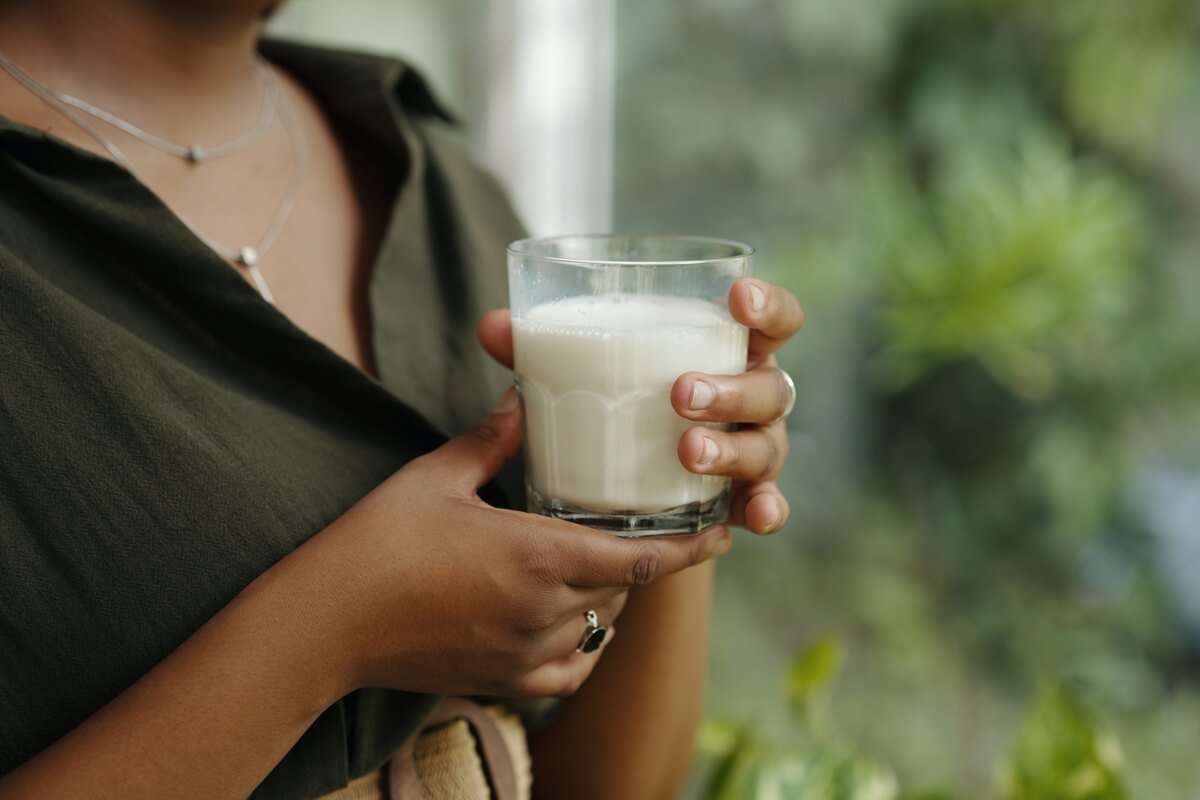
Rūgpienis, an age-old fermented milk beverage, holds a cherished place in Lithuanian culinary tradition. For generations, older people vividly remember the time when rūgpienis was an indispensable daily drink in every Lithuanian household. This thick, white fermented milk product was not only consumed with breakfast or dinner but also enjoyed as a wholesome snack between meals. Beyond its role as a staple in the Eastern and Western European diet, rūgpienis has long been celebrated for its remarkable health benefits.
In today’s fast-paced world, dominated by industrial food production and the rise of fast-food consumption, traditional foods like rūgpienis have unfortunately been overshadowed by more modern fermented products such as kefir and yogurt. However, both traditional wisdom and contemporary scientific studies confirm that rūgpienis offers unique health advantages that merit rediscovery and reintegration into our diets. This natural drink is particularly noted for its ability to cultivate a healthy gut microbiome, strengthen the immune system, and support efficient digestion.
The Cultural and Nutritional Importance of Rūgpienis in Lithuanian Diet
Rūgpienis is a naturally fermented milk product made without additives or artificially introduced bacterial cultures. Its richness in beneficial lactic acid bacteria provides foundational support for restoring and maintaining a healthy intestinal flora. A balanced gut microbiome is essential not only for smooth digestion but also for robust immunity, as much of the immune system’s functionality originates in the gut.
One of the most significant benefits of rūgpienis lies in its anti-inflammatory properties. Chronic inflammation is known to be a precursor to a multitude of long-term health conditions, including autoimmune disorders, cardiovascular diseases, and metabolic syndromes. By helping to reduce inflammatory responses in the body, rūgpienis contributes directly to disease prevention and overall well-being. Moreover, it improves the absorption of vital vitamins and minerals, enhancing both physical health and mental balance.
Ancient Wisdom Meets Modern Health Science
Before the advent of modern refrigeration and pharmaceuticals, rūgpienis was more than just a food item in Lithuanian villages—it was considered a natural remedy. Elders trusted it implicitly, noting its positive effects on reducing fatigue, enhancing digestion, strengthening bones, and improving skin condition. This traditional knowledge complements modern scientific findings, illustrating how rūgpienis supported health in an era with limited medical options.
Additionally, rūgpienis serves as an excellent source of energy and contains low levels of lactose, making it suitable for individuals with mild lactose intolerance. This attribute further emphasizes the product’s value in providing accessible nutrition and maintaining digestive comfort.
Distinguishing Rūgpienis from Kefir and Yogurt
While rūgpienis, kefir, and yogurt are all fermented dairy products, each differs significantly in production and characteristics. Rūgpienis is achieved through natural fermentation without the addition of commercial bacterial cultures or yeasts. Kefir fermentation involves a symbiotic culture of bacteria and yeasts known as kefir grains, which impart a distinctive slightly effervescent texture and taste. Yogurts, on the other hand, are often produced using specific bacterial strains tailored to achieve particular flavors and textures.
Thanks to its simplicity and all-natural fermentation process, rūgpienis remains an exceptional traditional product. It holds a unique position as a wholesome food that connects cultural heritage with health-promoting properties.
Practical Tips for Consuming and Preparing Rūgpienis at Home
For maximizing health benefits, consuming rūgpienis at critical times of the day is recommended. A morning serving can gently stimulate digestive activity and prepare the stomach for the day’s meals, while an evening portion helps soothe digestion after a demanding day. Rūgpienis is versatile in the kitchen—it can be enjoyed alone, served alongside warm potatoes or cereals, or even used as a base for various traditional soups.
Home fermentation of rūgpienis is straightforward: fresh, unpasteurized milk left at room temperature for one to two days ferments naturally. To expedite the process and ensure the presence of beneficial bacteria, a spoonful of existing rūgpienis can be added as a starter culture. This method guarantees the retention of live lactic acid bacteria responsible for the product’s health-enhancing effects.
Conclusion: Embrace Natural Nutrition for Better Health
Rūgpienis is far more than a relic of Lithuanian heritage. It is a potent source of natural probiotics that supports healthy digestion, bolsters immunity, and promotes overall well-being. Returning to simple, natural foods like rūgpienis represents a meaningful step towards improving health and quality of life. With no need for complex recipes or expensive ingredients, incorporating rūgpienis into modern diets offers a practical and effective way to harness the enduring power of nature’s remedies.

Thomas Smith is the editor of Weekly Wellness, specializing in health, lifestyle, and personal growth content.