6 Surprising herbs and spices packed with more vitamin c than you ever imagined
Vitamin C is undeniably one of the most vital nutrients our bodies need to stay healthy and function optimally. While many people immediately associate this essential vitamin with citrus fruits like oranges and lemons, a variety of herbs and spices actually contain astonishingly higher amounts of vitamin C than commonly expected. This knowledge can revolutionize how we approach nutrition and cooking, helping us boost our immune defenses and overall vitality in more flavorful ways.
Why Vitamin C Is Crucial for Your Health
Vitamin C plays multiple critical roles in maintaining our health. It supports the immune system by stimulating white blood cell production, encourages collagen synthesis which is vital for skin, bones, and connective tissues, and assists in wound healing. Additionally, it protects cells from oxidative damage caused by free radicals, improves iron absorption from plant sources, and even helps regulate neurotransmitters in the brain that affect mood, attention, and cognitive function. For these reasons, ensuring you get adequate vitamin C daily is essential.
The daily recommended intake for an adult is approximately 75 to 90 milligrams, with higher needs for pregnant or breastfeeding women and smokers, whose vitamin C requirements increase due to additional bodily stress.
Uncovering the Unexpected Vitamin C Powerhouses: Herbs and Spices
Instead of solely relying on fruits and vegetables, incorporating certain herbs and spices into your diet can significantly contribute to your vitamin C intake. Below are six extraordinary sources often overlooked yet powerfully rich in vitamin C:
1. Dried Garlic Chives (670 mg per 100 g)
Garlic chives combine the flavor profiles of garlic and onion and are fantastic additions to potatoes, meat dishes, soups, and creamy sauces. Beyond their vitamin C content, they are also an excellent source of vitamin A, iron, magnesium, and potassium—all essential for immune support and cardiovascular health.
2. Dried Coriander Leaves (567 mg per 100 g)
Also known as cilantro, coriander leaves boast a fresh citrusy taste. They provide high levels of vitamin C, potassium, and vitamin K, which support healthy blood pressure regulation and blood clotting. Coriander is versatile—it enhances the flavor of stews, soups, salads, and sauces.
3. Fresh Thyme (160 mg per 100 g)
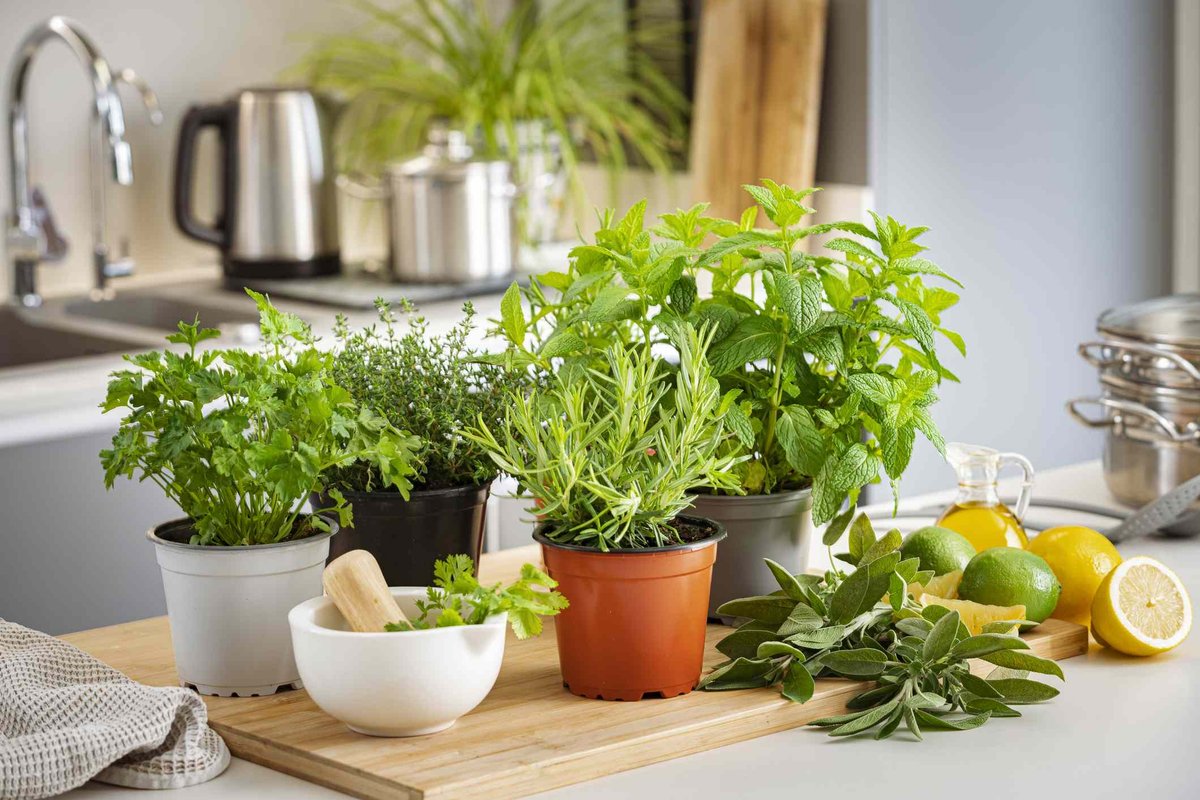
Thyme is renowned for its pungent aroma and slightly minty, sharp flavor. Beyond its rich vitamin C content, thyme offers antioxidant and antimicrobial properties, making it traditionally useful in food preservation. It retains nutritional qualities even when cooked briefly, making it excellent for culinary use without compromising its health benefits.
4. Fresh Parsley (133 mg per 100 g)
A kitchen staple, parsley is incredibly versatile. It enriches sandwiches, stews, pasta dishes, salads, and vegetable preparations. Alongside vitamin C, parsley is rich in vitamins K and A, important for blood clotting and vision health.
5. Fresh Dill (85 mg per 100 g)
Dill has a sweet, earthy flavor often used in marinades and sauces. To preserve its delicate taste and vitamin C content, it is best added towards the end of cooking or sprinkled over finished dishes like salads, soups, or fish.
6. Saffron (approximately 81 mg per 100 g)
One of the world’s most luxurious spices, saffron offers a unique aroma and subtle sweetness, mainly used in rice dishes, sauces, and desserts. Scientific studies indicate saffron may positively influence brain functions, including improving mood and memory.
Maximizing Vitamin C Retention in Your Cooking
Vitamin C is sensitive to heat, light, and prolonged exposure to water, which can cause significant nutrient loss during food preparation. To preserve as much vitamin C as possible when using herbs and spices, consider these practical tips:
- Avoid long boiling times, especially when cooking herbs and spices in water, since vitamin C dissolves easily. Steaming or quick sautéing are better cooking methods.
- Use fresh or properly dried herbs stored away from direct sunlight and heat in airtight containers to protect their nutrient content.
- Do not wash herbs in alkaline solutions like baking soda as it accelerates vitamin C degradation; vinegar soaking is preferable.
- Add herbs and spices near the end of cooking to minimize nutrient loss and maintain robust flavors.
Conclusion: Spice Up Your Health with Vitamin C-Rich Herbs
Integrating these vitamin C-rich herbs and spices into your daily diet is a smart and delicious strategy to enhance your nutrient intake. Not only do they infuse meals with vibrant colors and enticing flavors, but they also deliver impressive amounts of this vital vitamin and other nutrients that protect and strengthen your body. So next time you prepare a dish, remember that a handful of fresh parsley, thyme, or coriander can do wonders for your health beyond seasoning.
Investing in a diverse collection of herbs and spices can be a simple yet powerful way to maintain wellness and enjoy culinary creativity simultaneously.

Thomas Smith is the editor of Weekly Wellness, specializing in health, lifestyle, and personal growth content.