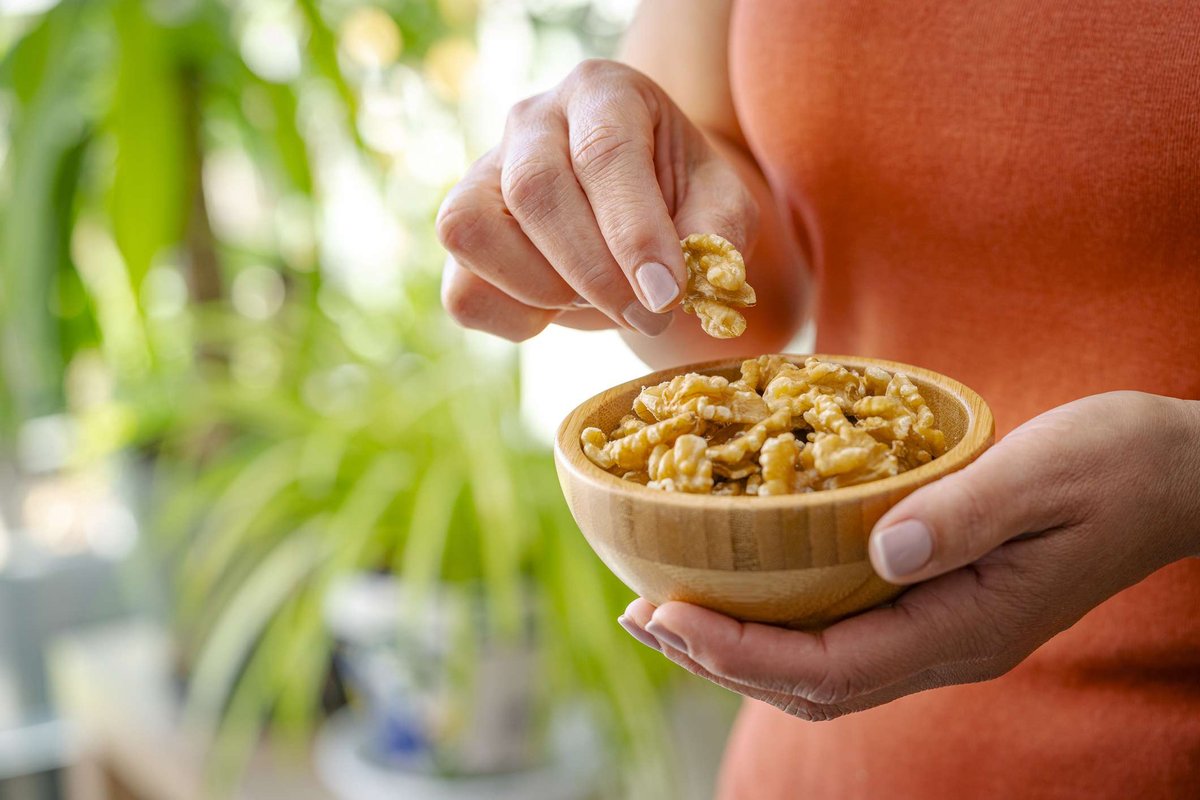
Discover the perfect snack timing to effortlessly manage your body weight – experts reveal all!
Effectively managing body weight involves a multifaceted approach that extends beyond just the type of food consumed; the timing of eating plays a crucial role in regulating appetite, metabolism, and overall nutritional balance. Expert nutritionists emphasize that appropriate snack timing can help control hunger, prevent overeating during main meals, and support sustained energy levels throughout the day. While individual needs and daily routines vary, the consensus among specialists is to consume snacks either mid-morning or mid-afternoon to optimize health outcomes.
Why Is Snack Timing So Important?
Scientific studies have demonstrated that the human body metabolizes food more efficiently during the earlier parts of the day. Nutritionists typically recommend having a snack four to five hours after the previous meal. Waiting until extreme hunger sets in often leads to overconsumption during subsequent meals or snacks, which can negatively impact weight management efforts. Moreover, excessively long intervals between meals—such as a prolonged gap between lunch and dinner—may promote binge eating and undesired weight gain, especially around the abdominal area.
Additionally, having a well-chosen snack before physical activity can provide the necessary energy if the next main meal is still several hours away. Similarly, post-exercise snacking replenishes glycogen stores and supports muscle recovery, enhancing overall fitness and weight control.
Understanding Morning vs. Afternoon Snacks: When to Choose Which?
A morning snack is particularly beneficial for individuals who eat breakfast early, consume a small breakfast, or struggle to feel hungry immediately after waking. Research indicates that early snacks help stabilize blood sugar levels, preventing spikes and dips that often cause excessive hunger later in the day. On the other hand, an afternoon snack combats the common post-lunch energy slump, aiding in sustaining alertness and productivity until dinner. When timed correctly, these snacks act as strategic refueling points, maintaining energy without triggering unnecessary calorie intake.
The Truth About Late-Night Snacking
The impact of evening snacks on health depends significantly on the reasons behind consumption and the quality of the foods chosen. Snacking out of boredom, stress, or habit without genuine hunger often leads to poor calorie control and potential weight gain. Emerging evidence suggests that late-night eating might disrupt the body’s circadian rhythms, intensify appetite, and contribute to increased fat accumulation.
Nonetheless, a light snack at night can be acceptable if dinner was early or insufficient in calories or if the individual engaged in intense physical activity earlier. Choosing appropriate portions and nutrient-dense options is key to avoiding adverse effects.
Selecting the Right Snacks for Optimal Health
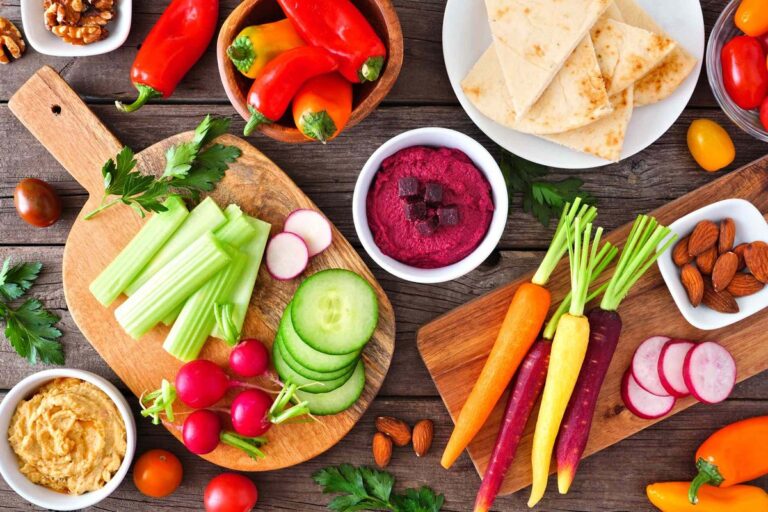
Snack composition is critical when aiming for effective weight control and lasting satiety. Nutrient-rich snacks containing proteins, fibers, or healthy fats help maintain fullness and provide sustained energy. Examples include apple slices with nut butter, Greek yogurt paired with berries, hummus with fresh vegetables, cottage cheese with fruit, whole-grain crackers topped with tuna or egg salad, nuts combined with fruit, edamame beans, popcorn mixed with pumpkin seeds, or chia seed pudding.
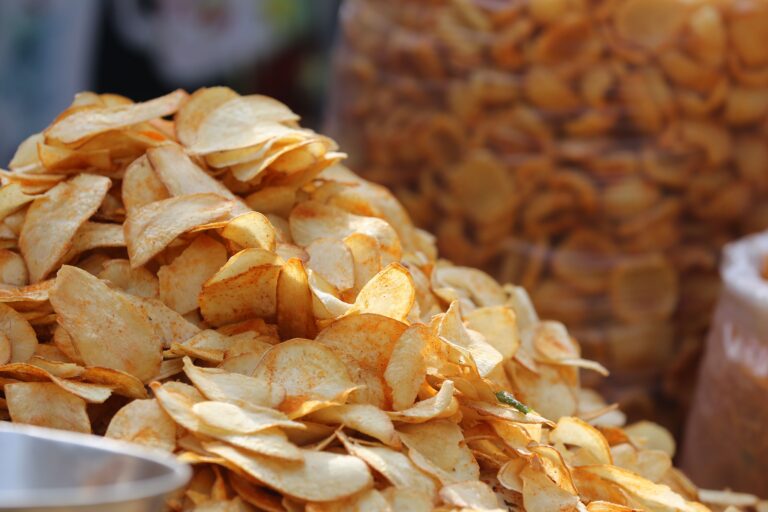
Conversely, frequent consumption of sweets, high-fat, or heavily processed snacks should be limited, as they usually offer quick bursts of energy without promoting satiety, thus encouraging overeating.
How to Recognize Genuine Hunger Before Snacking
Before reaching for a snack, it is essential to pause and evaluate whether the desire to eat stems from true physiological hunger or is driven by habit, boredom, or emotional factors such as stress. Signs indicating genuine hunger might include an empty sensation in the stomach, reduced energy levels, irritability, or other discomforts.
When true hunger is present, and several hours remain before the next meal, a well-balanced snack can prevent excessive intake later and help maintain metabolic stability. If snacking becomes emotional or habitual without real hunger, alternative methods for relaxation or energy renewal, such as walking, drinking water, resting, or adjusting sleep patterns, should be considered instead.

Thomas Smith is the editor of Weekly Wellness, specializing in health, lifestyle, and personal growth content.