11 Electrolyte-packed foods you must eat to prevent painful muscle cramps
Muscle cramps are a common and often painful experience affecting individuals of all ages and activity levels. These involuntary contractions can disrupt daily routines and physical performance, making it vital to understand their causes and prevention. One of the primary contributors to muscle cramps is an imbalance of electrolytes — essential minerals like sodium, potassium, magnesium, and calcium — which regulate muscle function and fluid balance in the body.
The Crucial Role of Electrolytes in Muscle Health
Electrolytes are charged minerals that facilitate critical physiological processes, including muscle contraction, nerve signaling, and hydration. When their levels fall out of balance, muscles may spasm or weaken due to disrupted electrical impulses. Replenishing electrolytes through a balanced diet and proper hydration is fundamental to maintaining muscle function and avoiding cramps, particularly for athletes, older adults, or those exposed to intense physical exertion.
11 Electrolyte-Rich Foods to Combat Muscle Cramps
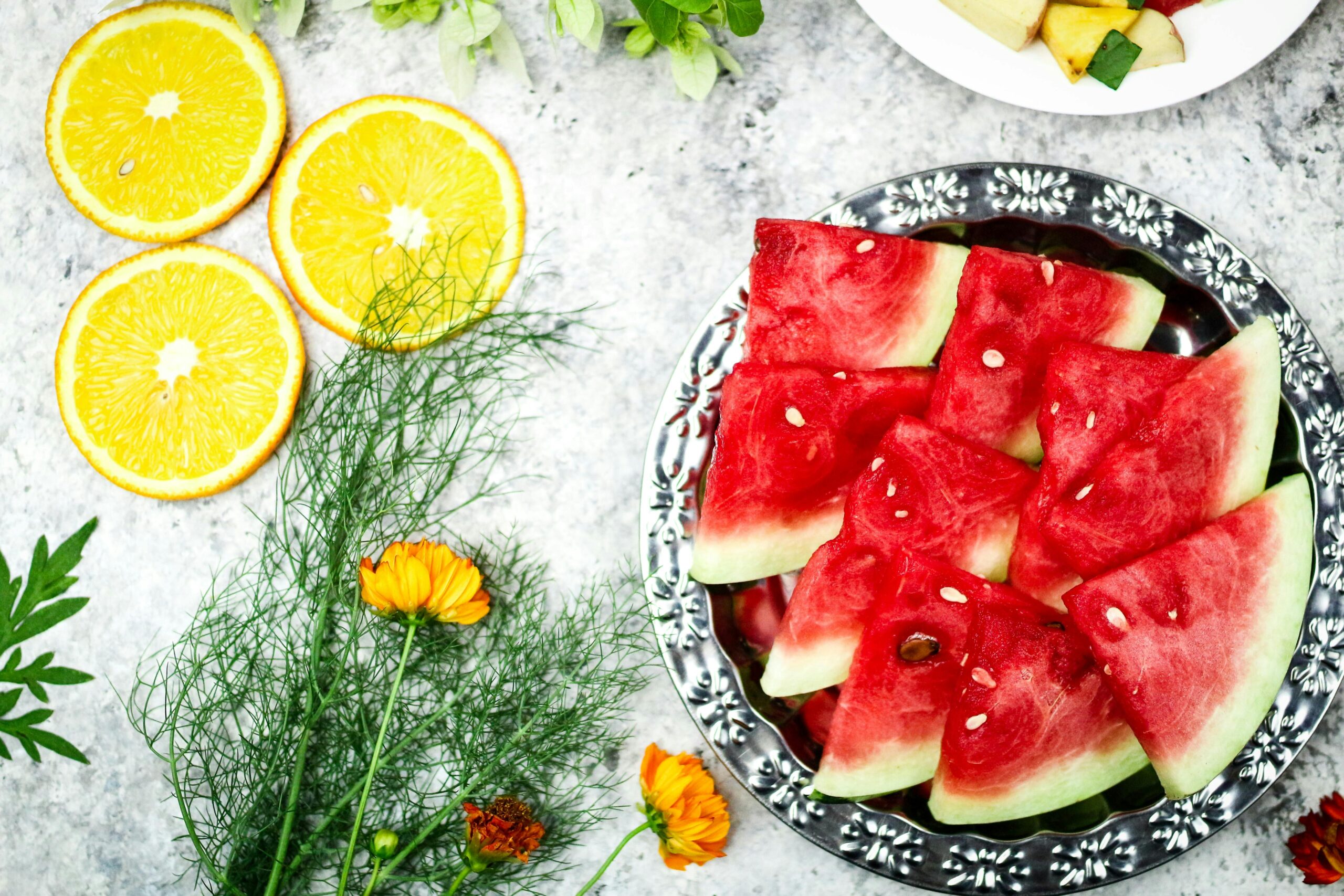
1. Watermelon: Composed of approximately 90% water, watermelon is an exceptional natural hydrator. It helps prevent dehydration — a key factor in electrolyte imbalance — while supplying potassium and magnesium that restore mineral equilibrium post-exercise. This makes watermelon an ideal snack for maintaining muscle function and recovery.
2. Bananas: Well-known for their high potassium content, bananas also provide magnesium, both of which are vital for muscle contractions. Regularly consuming bananas can reduce the risk of muscle cramps, although they may not provide immediate pain relief. Their convenient nature makes them perfect as a post-workout snack supporting muscle recovery.
3. Avocados: Avocados stand out due to their rich potassium and magnesium levels, as well as beneficial fiber and healthy fats. These nutrients collectively help rebalance electrolytes while promoting cardiovascular health. A single avocado contains around 58 mg of magnesium, which plays a key role in preventing muscle spasms.
4. Sweet Potatoes: These nutrient-dense vegetables offer calcium, potassium, and magnesium — minerals that replenish those lost through sweating and exhibit anti-inflammatory properties. Additionally, their carbohydrate content helps restore energy stores, enhancing muscle strength and recovery after physical activity.
5. Milk and Dairy Products: Dairy is a valuable source of protein, such as casein and sulfur-rich proteins, which support muscle repair and growth. Milk also provides calcium and vitamin D necessary for strong bones and muscles. Electrolytes like potassium and sodium in dairy assist in fluid regulation, thereby improving muscle endurance and strength.
6. Greek Yogurt: Known for its high protein content, Greek yogurt aids muscle recovery and repair. It contains probiotics like Lactobacillus that reduce inflammation, alongside calcium, magnesium, and potassium, which are crucial for preventing muscle cramps and ensuring effective muscle contractions.
7. Leafy Green Vegetables: Spinach, kale, and chard are abundant in magnesium, essential for muscle relaxation and cramp prevention. These greens also provide a spectrum of micronutrients supporting overall muscular and systemic health.
8. Seafood: Fatty fish such as salmon offer omega-3 fatty acids and vitamin D, which collectively enhance muscle strength and recovery. Sardines, rich in calcium, potassium, sodium, vitamin D, and magnesium, also assist in minimizing muscle cramps and promoting muscular health.
9. Papaya: This tropical fruit delivers potassium, magnesium, and potent antioxidants. Vitamins A, C, E, and B complex found in papaya exert anti-inflammatory effects, improve muscle well-being, and reduce the likelihood of cramping.
10. Pickles and Pickle Juice: Pickle juice is notably rich in sodium and other minerals which may alleviate muscle cramps. Though research is ongoing, some studies suggest that consuming pickle juice before exercise can improve muscle function and physical performance.
11. Plant-Based Proteins – Nuts and Lentils: Nuts (especially walnuts) and lentils supply magnesium and iron, critical for muscle function and fatigue prevention. Their omega-3 fatty acids and antioxidants combat inflammation and muscle damage, accelerating recovery and reducing cramp incidence.
In Summary
Incorporating these 11 electrolyte-rich foods into your daily diet, combined with adequate fluid intake, forms one of the most effective strategies to prevent and alleviate muscle cramps. By supporting optimal electrolyte balance and muscle function, these nutrient-packed foods contribute to improved physical performance, reduced discomfort from spasms, and enhanced overall muscle health.

Thomas Smith is the editor of Weekly Wellness, specializing in health, lifestyle, and personal growth content.