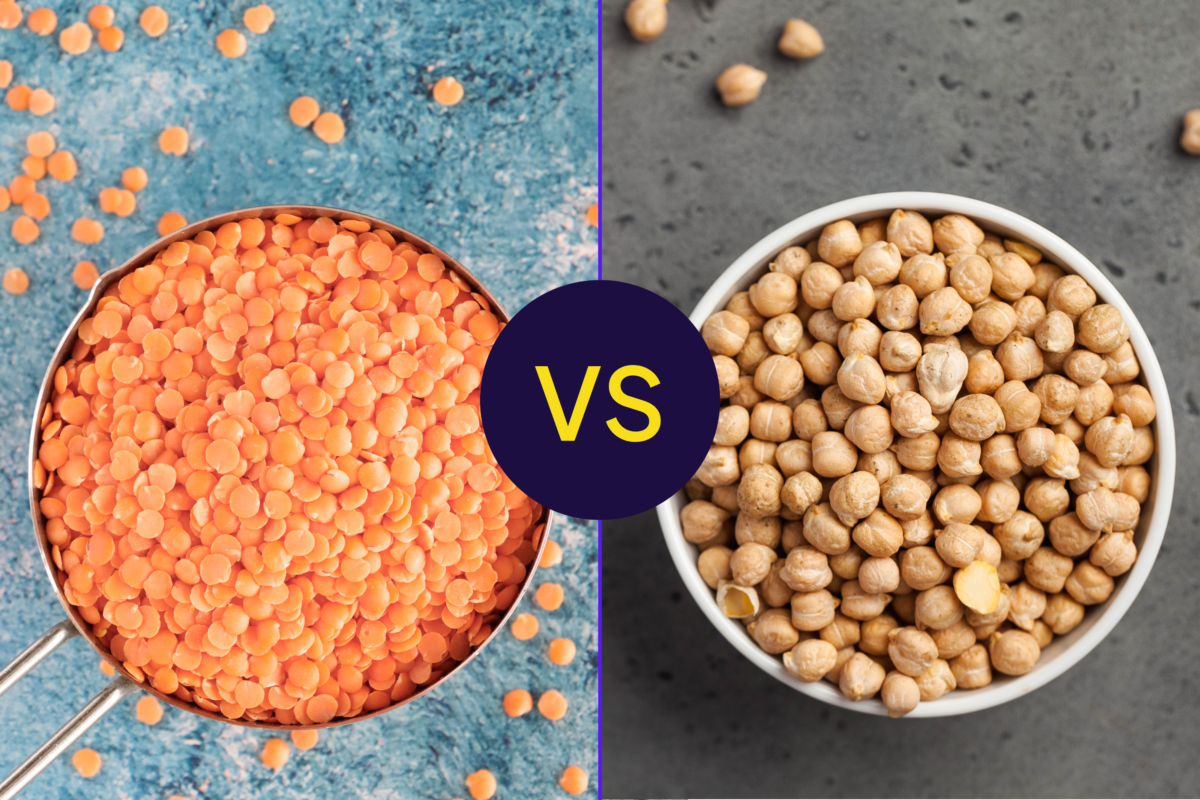
Lentils vs. chickpeas: which legume packs more fiber and protein for your health?
Legumes have long been celebrated for their impressive nutritional profiles, offering an excellent source of plant-based protein, dietary fiber, vitamins, and minerals. Among the most popular legumes worldwide, lentils and chickpeas stand out as staples in various culinary traditions. But when considering their contributions to fiber and protein intake, which one truly takes the lead? Exploring this subtle yet important distinction can help individuals make better-informed dietary choices that optimize their nutrient intake and overall health.
Lentils: A Slightly Superior Source of Dietary Fiber
Lentils boast a wide range of varieties including green, red, and brown types, each varying marginally in fiber content. Generally, cooked lentils contain about 15.6 grams of fiber per one-cup serving (approximately 198 grams). In contrast, the same quantity of cooked chickpeas (about 164 grams) provides roughly 12.5 grams of fiber. When normalized by weight, 100 grams of lentils deliver approximately 7.9 grams of fiber while chickpeas offer about 7.6 grams. This slight edge makes lentils a marginally richer source of dietary fiber.
Dietary fiber is pivotal not only for promoting a healthy digestive system and regular bowel movements but also plays a crucial role in blood sugar regulation, cardiovascular disease prevention, and enhancing satiety. Fiber fosters the growth of beneficial gut microbiota, which in turn contributes to improved immune function and metabolic health. Including fiber-rich legumes like lentils and chickpeas in the diet thus supports multiple aspects of wellness beyond digestion.
Protein Content: Lentils Have a Minor Advantage
Protein is essential for muscle repair, immune defense, cellular growth, and many other physiological processes. Comparing these legumes in terms of protein, lentils again hold a slight advantage. A one-cup serving of cooked lentils contains around 17.9 grams of protein, whereas the same serving of chickpeas provides about 14.5 grams. Per 100 grams cooked, lentils offer approximately 9.02 grams of protein compared to chickpeas’ 8.86 grams. Although modest, this difference suggests that lentils can marginally better fulfill daily protein needs, especially important for vegetarians and vegans relying on plant-based sources.
It’s worth noting that neither lentils nor chickpeas are complete proteins by themselves, meaning they do not contain all nine essential amino acids. Nevertheless, when combined with other plant foods such as whole grains, nuts, or seeds, together they can ensure a thorough amino acid profile to support optimal bodily function.
Additional Nutritional Benefits
Beyond fiber and protein, both lentils and chickpeas shine as rich sources of vital vitamins and minerals. Lentils tend to have a slightly higher iron content, crucial for the production of red blood cells and maintaining energy levels. Both legumes supply generous amounts of magnesium — important for muscle and nerve function — and zinc, which plays key roles in immune health and enzymatic reactions. They also provide choline, a nutrient necessary for brain and nervous system function.
Another critical attribute is their low glycemic index, meaning they are digested slowly and cause gradual rises in blood sugar rather than sharp increases. This makes them excellent choices for people managing diabetes or seeking sustained energy throughout the day. Their nutrient density combined with slow digestion underscores why these legumes are valuable components of a balanced and healthful diet.
Incorporating Lentils and Chickpeas into Daily Meals
Integrating lentils and chickpeas into everyday meals is both easy and versatile. Lentils cook relatively quickly and can be added to soups, stews, salads, and casseroles, providing a satisfying source of nourishment and fiber. Chickpeas can be roasted for a crunchy snack, blended into creamy hummus, or tossed in salads and braised dishes. Their mild flavor and pleasing texture complement a variety of recipes across cuisines.
When using canned or preserved legumes, rinsing is recommended to reduce excess sodium content. Choosing dry legumes affords greater control over ingredients and ensures fresher taste, though they require longer cooking times. Strategically rotating between different legumes enriches the diversity of nutrients consumed and helps maintain a balanced dietary pattern.
Final Thoughts
Lentils and chickpeas are undeniably nutritious powerhouses loaded with fiber, protein, and essential micronutrients. While lentils hold a slight edge in fiber and protein content, both legumes offer substantial health benefits and deserve a place in a balanced diet. Embracing a variety of legumes not only enhances nutritional intake but also supports long-term wellness through diverse and palatable meal options.

Thomas Smith is the editor of Weekly Wellness, specializing in health, lifestyle, and personal growth content.