Unlocking brain health: how cooking at home could slash your dementia risk
Emerging research has spotlighted a surprising and accessible activity that might play a vital role in protecting brain health: cooking at home. A recent large-scale study conducted with older adults in Japan suggests that preparing meals at home at least once a week could be linked to a significantly lower risk of developing dementia. While the findings do not establish causation, they open an intriguing window into how lifestyle choices might contribute to cognitive longevity.
Groundbreaking Findings from Japan
The study analyzed data from nearly 11,000 Japanese adults aged 65 and older, monitored over a six-year period through the Japan Gerontological Evaluation Study. Researchers examined the frequency of home cooking, participants’ cooking skills, and the onset of dementia. Their analyses revealed that individuals who cooked at home at least weekly experienced notably less cognitive decline than those who cooked less frequently.
Specifically, men who regularly cooked showed a 23% reduced risk of dementia, whereas women saw a more pronounced 27% reduction. Remarkably, those with initially limited cooking skills demonstrated a staggering 67% lower dementia incidence, suggesting that engaging in cooking may confer substantial protective benefits, especially when it encourages skill development.
Interpreting the Link: Causation or Correlation?
Despite these promising trends, experts caution that this is an observational study which only demonstrates association rather than cause and effect. It remains possible that early cognitive decline reduces a person’s ability or motivation to cook, making decreased cooking frequency a sign rather than a cause of impairment. Additionally, the study’s demographic focus on Japanese older adults means cultural and dietary differences might influence how broadly these results apply.
The Multifaceted Benefits of Cooking for Brain Health
Why might cooking be beneficial for the brain? Experts highlight several plausible mechanisms. From a cognitive standpoint, cooking demands complex mental engagement: planning, sequencing, attention, memory, decision-making, and execution—all of which exercise vital neurological functions. Regular use of these skills may help maintain cognitive capacity as we age.
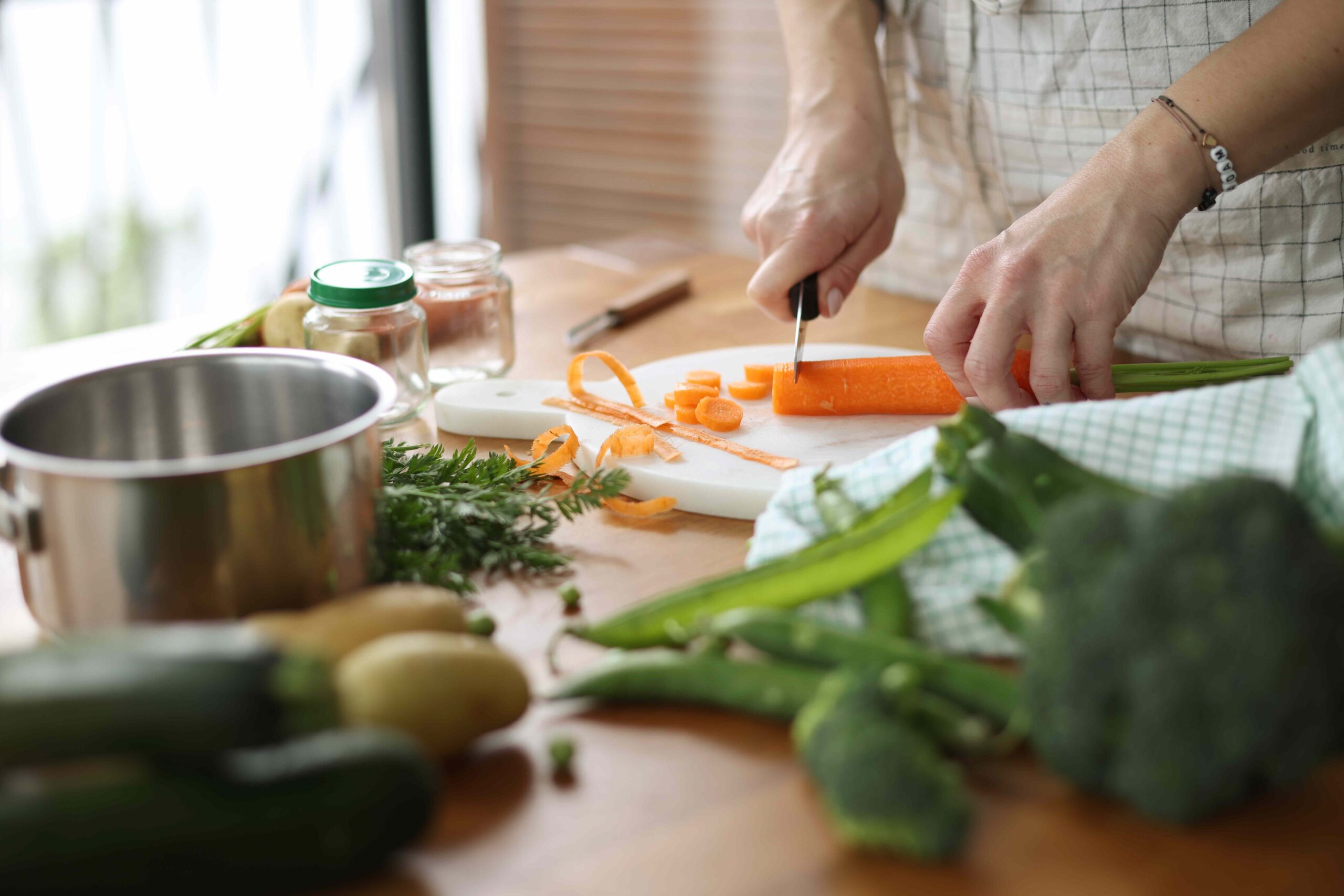
Physically, cooking involves movement—standing, lifting, cutting—which contributes to cardiovascular health and muscle activity. Past studies have consistently linked physical activity with reduced dementia risk, underscoring how cooking can integrate gentle exercise into daily routines.
Nutritionally, preparing meals at home often promotes consumption of whole, nutrient-dense foods such as fruits, vegetables, whole grains, and legumes, while limiting intake of ultra-processed products associated with cognitive decline. The social dimension of cooking and sharing meals further supports mental well-being by fostering connection and a sense of purpose.
Practical Advice for Embracing Cooking as a Brain-Boosting Habit
For those intimidated by cooking, experts encourage starting simply and consistently. Preparing easy, wholesome dishes once or twice a week can establish meaningful habits without undue stress. Utilizing meal kits or constructing straightforward grain bowls, sautés, or salads centered on nutrient-rich ingredients can be excellent entry points.
Building a “brain-healthy pantry” with staples like canned beans, whole grains, olive oil, nuts, and frozen vegetables provides the foundation for nourishing meals. Importantly, there is no need for perfection—regularly engaging in cooking, even at a modest level, may offer cognitive benefits over time.
Looking Ahead
The link between cooking at home and dementia risk reduction adds a compelling dimension to brain health strategies. While further research is needed to unravel causality and explore diverse populations, cultivating cooking skills and habitual meal preparation stands out as a promising, enjoyable, and empowering approach to support cognitive longevity. As this research evolves, embracing the kitchen may become recognized not just as a source of comfort and creativity but also as a meaningful investment in aging well.

Thomas Smith is the editor of Weekly Wellness, specializing in health, lifestyle, and personal growth content.