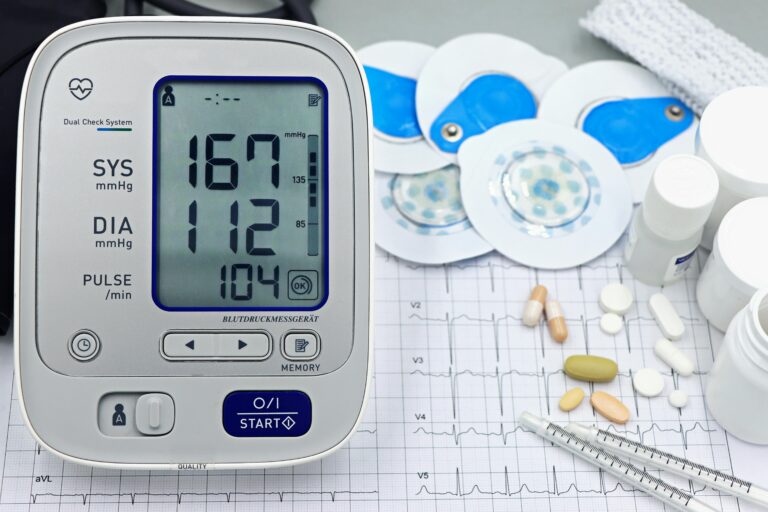
Milk and heart health: benefits and risks of drinking milk daily
A glass of milk every day: benefit or risk for your heart?
For decades, milk has been seen as a symbol of health — strong bones, growing bodies, and balanced nutrition. But when it comes to heart health, the picture is far more complex.
Some experts praise milk as a valuable part of a healthy diet, while others warn about its fat content and potential risks. So what really happens to your heart if you drink milk every day?
Milk and the heart: what science says overall
Modern research no longer supports the idea that milk is clearly harmful for the heart. In fact, many large studies suggest that dairy products have a neutral or even slightly protective effect on cardiovascular health.
This means that for most people, drinking milk regularly does not significantly increase the risk of heart disease — and may even be associated with a lower risk of conditions like hypertension or stroke.
Some analyses have even found that higher dairy intake is linked to reduced cardiovascular risk and mortality, especially when consumed in moderate amounts.
At the same time, the relationship is not entirely straightforward.
The concern: saturated fat and cholesterol
Milk — especially whole milk — contains saturated fat. For many years, this was considered a major risk factor for heart disease because it can raise LDL (“bad”) cholesterol levels.
High levels of LDL cholesterol are associated with plaque buildup in arteries, which can increase the risk of heart attacks and stroke.
Because of this, health guidelines traditionally recommended choosing low-fat or skim milk instead of full-fat versions.
However, newer research suggests that not all saturated fats act the same way. Dairy fats may behave differently from those found in processed meats or fried foods, and their impact on heart health appears to be less harmful than once believed.
The surprising twist: milk may also be protective
Interestingly, several studies suggest that milk and dairy products may actually support heart health in certain ways.
Milk contains potassium, calcium, and bioactive peptides that may help regulate blood pressure and improve vascular function. Some research indicates that regular consumption of dairy is linked to a modest reduction in cardiovascular disease risk.
There is also evidence that milk proteins may slightly improve cholesterol levels and blood pressure, contributing to a healthier cardiovascular profile.
This helps explain why many experts now consider milk neither a “superfood” nor a “danger” — but something in between.
When milk could become a risk
While moderate consumption appears safe for most people, higher intake may not always be beneficial.
Some studies have found that drinking more than about one to two glasses of milk per day could be associated with an increased risk of heart disease in certain groups, particularly women.
Other research also suggests that very high milk consumption may be linked to increased cardiovascular mortality, especially when it replaces healthier foods in the diet.
This highlights an important point: more is not always better.
Does the type of milk matter?
The type of milk you choose can also influence its impact on your heart.
Low-fat and skim milk are often associated with slightly better cardiovascular outcomes in some studies, particularly when it comes to reducing overall mortality and heart disease risk.
Plant-based alternatives, such as soy milk, may offer additional benefits in certain cases, especially for people with high cholesterol or lactose intolerance.
However, recent findings suggest that whole milk is not as harmful as once thought, and may even have neutral effects when consumed in moderation.
The bigger picture: diet matters more than one food
Focusing only on milk can be misleading. Heart health depends on overall dietary patterns, not a single product.
For example, replacing processed foods and sugary drinks with milk may improve health outcomes. But replacing plant-based foods like vegetables, nuts, or legumes with large amounts of dairy may not offer the same benefit.
Experts consistently emphasize that milk should be part of a balanced diet that includes fruits, vegetables, whole grains, and healthy fats.
So, should you drink milk every day?
For most healthy individuals, drinking a glass of milk daily is unlikely to harm the heart — and may even provide some benefits.
The key lies in moderation and context. One glass per day as part of a balanced diet is generally considered safe. However, excessive consumption or relying too heavily on dairy instead of other nutritious foods may not be ideal.
Final thoughts
Milk is neither a miracle drink nor a hidden danger. Scientific evidence shows that its impact on heart health is complex, with both potential benefits and risks depending on how much and what type you consume.
Instead of focusing on extremes, the smartest approach is balance. When included thoughtfully in your diet, milk can be a useful source of nutrients — but it should never be the only strategy for protecting your heart.

Anthony Brown is a wellness writer at Weekly Wellness, focusing on health, fitness, and lifestyle topics. He is passionate about helping readers build sustainable habits and improve their overall well-being through practical, research-informed advice.