Unveiled: the surprising food nearly half of americans don’t know raises colorectal cancer risk
Colorectal cancer remains one of the most prevalent and deadly cancers worldwide, and recent research has highlighted the significant role diet plays in influencing its risk. Surprisingly, nearly half of Americans are unaware that consuming processed meats can increase their risk of developing this serious disease. This lack of awareness poses a public health challenge given that processed meats are a staple in many diets.
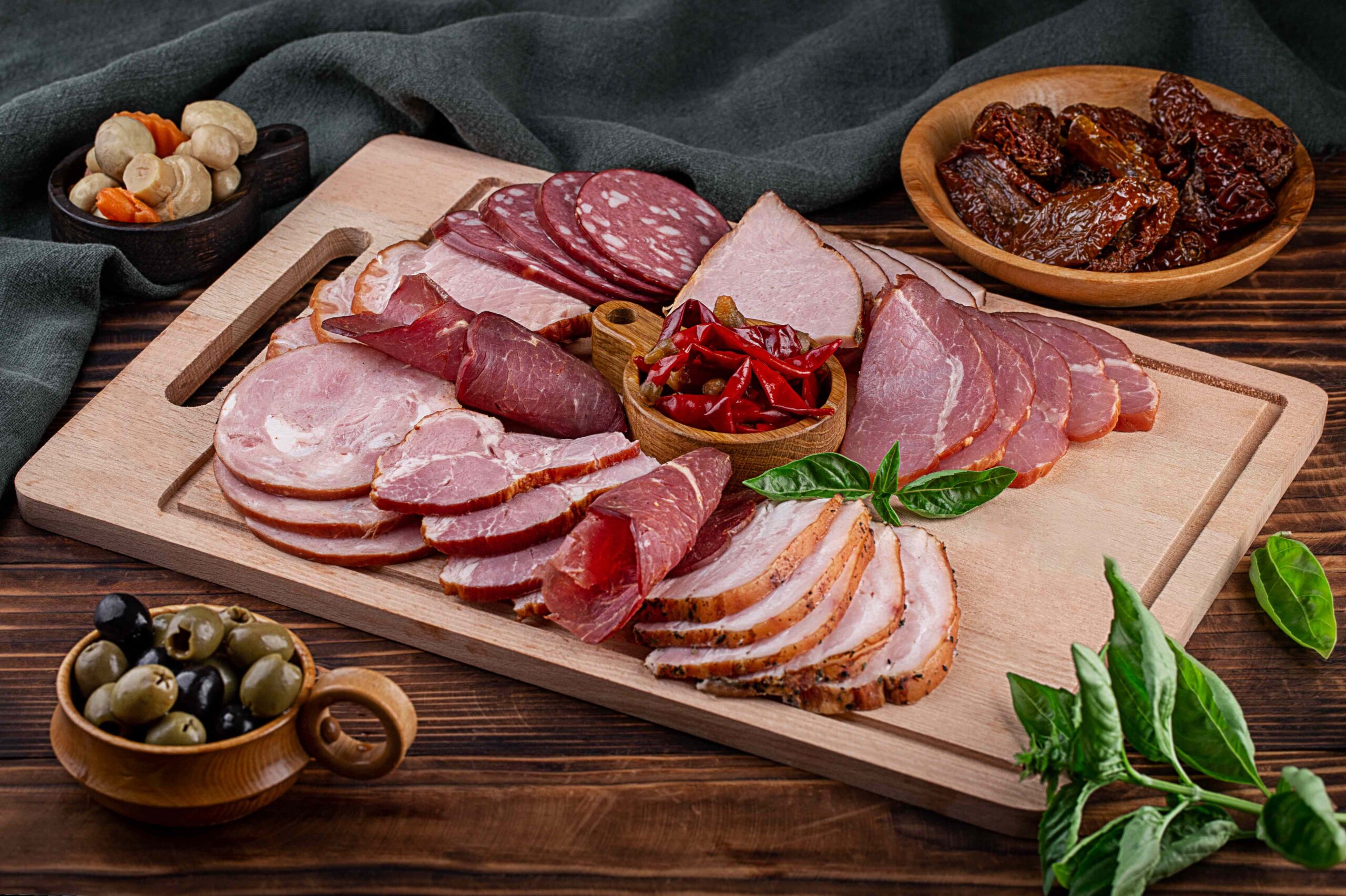
Processed meats differ from fresh meats by undergoing various preservation and flavor-enhancement methods such as curing, smoking, salting, or the addition of chemical preservatives. These processes, while extending shelf life and intensifying flavor, also introduce harmful compounds with carcinogenic potential. Examples of processed meats include commonly eaten items such as bacon, ham, salami, hot dogs, and pastrami.
Understanding Processed Meats and Cancer Risk
For over a decade, the World Health Organization has classified processed meats as Group 1 carcinogens, placing them in the same category as tobacco smoke and asbestos when it comes to proven cancer-causing agents. This classification is based on robust evidence linking processed meat consumption to colorectal cancer, highlighting that the relationship is causal rather than merely correlational.
However, it is important to contextualize the level of risk. Consuming approximately 50 grams of processed meat daily—roughly the equivalent of two strips of bacon or one hot dog—raises the relative risk of colorectal cancer by about 18%. Despite sounding alarming, this corresponds to an increase in an individual’s lifetime absolute risk from about 5% to roughly 5.75%. This subtle but significant rise underscores why many experts recommend moderation rather than panic.
Biological Mechanisms Behind the Risk
The increased cancer risk from processed meats can be attributed to several key factors. The curing process often involves nitrates and nitrites, which can transform into N-nitroso compounds within the acidic environment of the stomach and intestines. These compounds are known to damage DNA, potentially initiating mutations that contribute to cancer development.
Furthermore, cooking methods such as smoking and high-heat curing can form other carcinogenic substances like heterocyclic amines and polycyclic aromatic hydrocarbons. These compounds can further injure the cells lining the colon and rectum, fostering an environment conducive to malignancy over time.
Practical Recommendations for Reducing Risk
The American Institute for Cancer Research advises limiting red meat intake to no more than three portions per week (approximately 12 to 18 ounces cooked) and minimizing or avoiding consumption of processed meats. Given their strong link to colorectal cancer, processed meats should ideally be reserved as an occasional indulgence rather than a dietary staple.
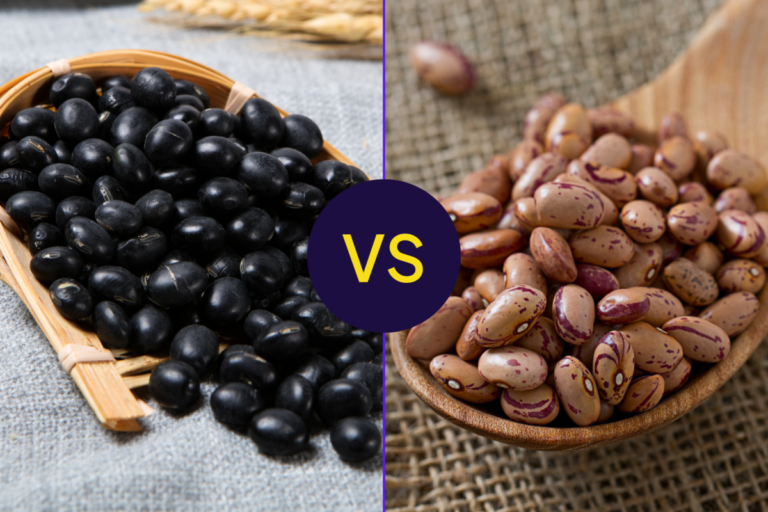
Simple strategies to reduce processed meat consumption include batch cooking lean proteins like chicken, turkey, fish, or plant-based proteins such as beans for easy meal preparation. Swapping typical breakfast meats with alternatives like eggs or Greek yogurt can also help. Moderation can be practiced by topping dishes like pizza with a mix of vegetables and fewer processed meat slices. Saving such products for special occasions naturally reduces intake and enhances appreciation when consumed.
Complementary Lifestyle Changes to Lower Cancer Risk
Besides dietary adjustments, a holistic approach to colorectal cancer prevention is vital. Alcohol consumption is another recognized risk factor and should be limited. Conversely, diets rich in fruits, vegetables, whole grains, and dietary fiber have been consistently shown to lower colorectal cancer risk, thanks to their beneficial nutrients that promote healthy digestion and cellular protection.
Regular physical activity plays a crucial role as well, with research indicating that exercise may prevent approximately 15% of colon cancer cases. Maintaining an active lifestyle contributes to overall health and helps regulate body weight, which is also linked to cancer risk.
Above all, medical screening remains the cornerstone of early detection and prevention. Guidelines recommend beginning colonoscopy screenings at age 45, or earlier for individuals with higher risk factors. No dietary or lifestyle change can substitute the life-saving benefits of routine colorectal cancer screening.
In conclusion, while processed meats continue to be a popular food choice, understanding their associated risks and implementing thoughtful dietary and lifestyle changes can significantly influence colorectal cancer outcomes. Raising public awareness on this topic is essential for empowering individuals to make informed decisions about their health.

Thomas Smith is the editor of Weekly Wellness, specializing in health, lifestyle, and personal growth content.