Boost these essential b vitamins to significantly slash your stroke risk, new study reveals
Stroke remains a leading cause of death and disability globally, striking approximately every 40 seconds in the United States alone. Increasingly, scientific research underscores the critical role of nutrition in preventing stroke. Among the myriad nutrients studied, a recent landmark research highlights the importance of B vitamins in potentially lowering stroke risk. This breakthrough offers promising insight into how diet can be optimized to protect brain health and vascular function.
Linking B Vitamins with Stroke Risk Reduction
Published in the American Journal of Preventive Cardiology, this comprehensive study explores the relationships between the intake of various B vitamins and stroke incidence by analyzing two expansive and diverse cohorts: the Women’s Health Initiative (WHI) and the National Institutes of Health (NIH) All of Us Research Program. The WHI cohort, primarily of postmenopausal women, provided self-reported dietary data, while the NIH program contributed blood biomarker measurements on B vitamin levels in a wide-ranging participant pool.
The research found that higher consumption and circulating levels of B vitamins—especially thiamin, riboflavin, niacin, pyridoxine (Vitamin B6), and folate (Vitamin B9)—correlated with a 10% to 20% reduction in stroke risk when compared to those with lower intakes. Notably, folate displayed a sustained protective association even at elevated intake levels, unlike other B vitamins which exhibited diminishing returns beyond certain thresholds.
Understanding the Protective Mechanisms of B Vitamins
While this study identifies an association rather than a definitive cause-and-effect link, the biological role of B vitamins provides a plausible explanation for their neurovascular benefits. These vitamins are integral to cellular metabolism, DNA synthesis, and homocysteine metabolism—a process linked to blood vessel health and inflammation. Elevated homocysteine levels have long been associated with increased stroke risk, and B vitamins such as folate, B6, and B12 are known to help lower homocysteine concentrations.
According to Dr. Simin Liu, lead author and director of the Center for Global Cardiometabolic Health & Nutrition at the University of California, Irvine, “Each B vitamin acts through unique mechanisms supporting brain and vascular health, which are critical to stroke prevention.” However, she cautions that further research, particularly randomized controlled trials, is necessary to comprehensively establish causality and optimal dosing strategies.
Practical Recommendations: How to Safely Boost Your B Vitamin Intake
Experts agree that despite the encouraging findings, one should approach vitamin supplementation prudently. Dietitian Matthew Landry, PhD, RDN, advises that more is not always better since excessive intake may negate benefits, and the study indicated potential risks beyond certain intake thresholds.
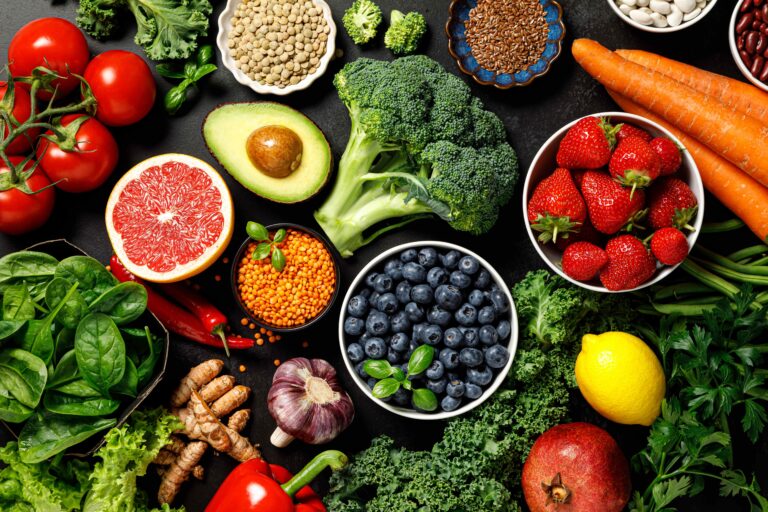
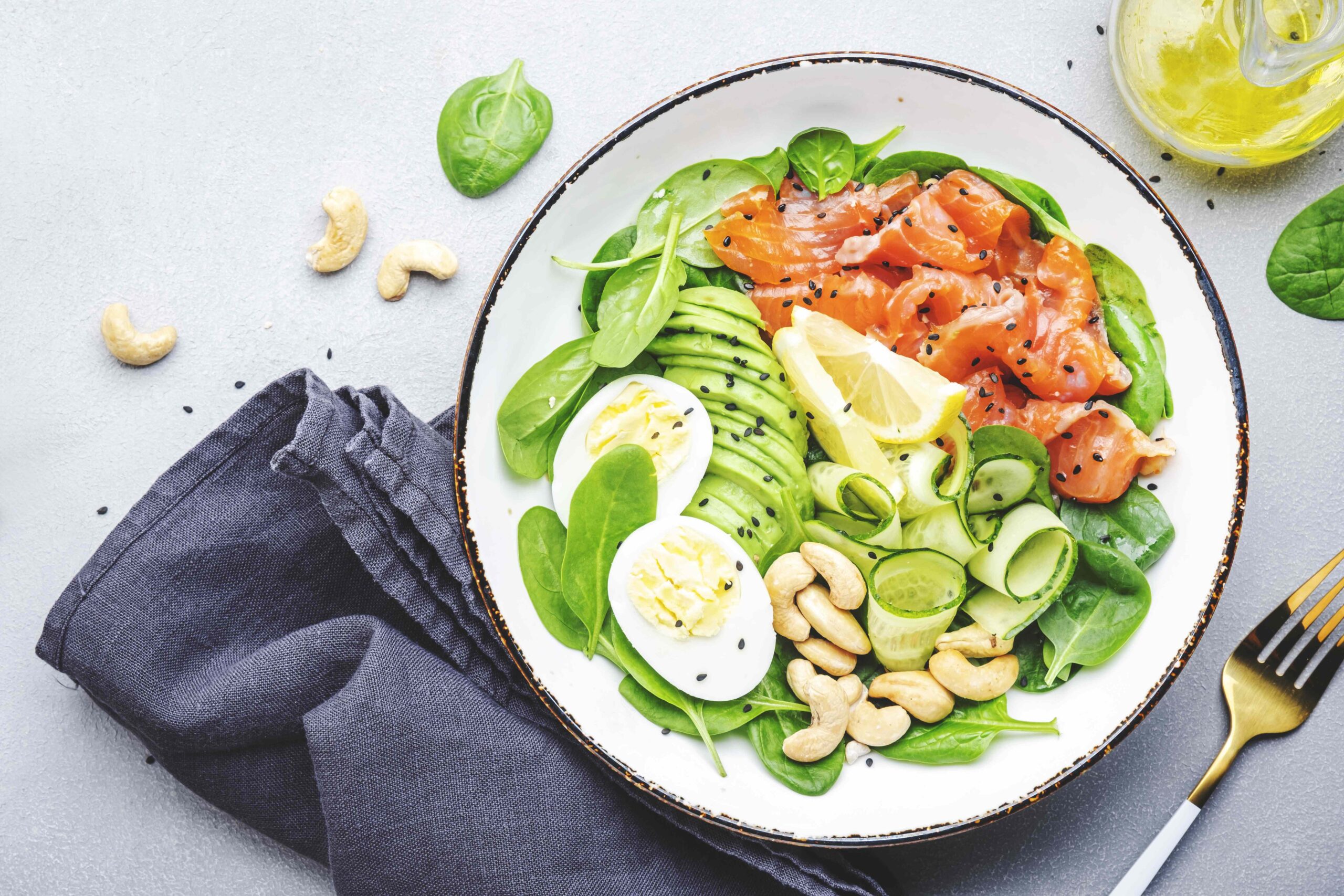
For most people, the safest and most effective approach is to obtain B vitamins naturally through a balanced diet rich in leafy greens, whole grains, legumes, eggs, and lean proteins. Food processing tends to diminish B vitamin content; therefore, prioritizing whole and minimally processed foods is key.
Individuals following vegetarian or vegan diets, which may restrict sources of certain B vitamins such as B12, should consider consulting healthcare providers to assess vitamin status and determine if supplementation is necessary. Dr. Elaine Jones, a geriatrician and neurology fellow, emphasizes the importance of personalized medical guidance before initiating supplements, especially high-dose regimens.
The Bigger Picture: Integrating Nutritional Strategies into Overall Stroke Prevention
Vitamin intake is one piece of the complex puzzle of stroke prevention. Other lifestyle factors such as regular physical activity, maintaining a healthy weight, controlling blood pressure, managing stress, and ensuring adequate sleep synergistically contribute to reducing stroke risk.
As Dietitian Landry summarizes, “Diet is fundamentally important but should be part of a holistic approach encompassing diverse healthy behaviors to yield the best protective outcomes against stroke.” As science continues to unfold, adopting a nutrient-rich diet centered on B vitamins represents a practical, accessible step toward sustaining cerebrovascular health and lowering the global burden of stroke.

Thomas Smith is the editor of Weekly Wellness, specializing in health, lifestyle, and personal growth content.