
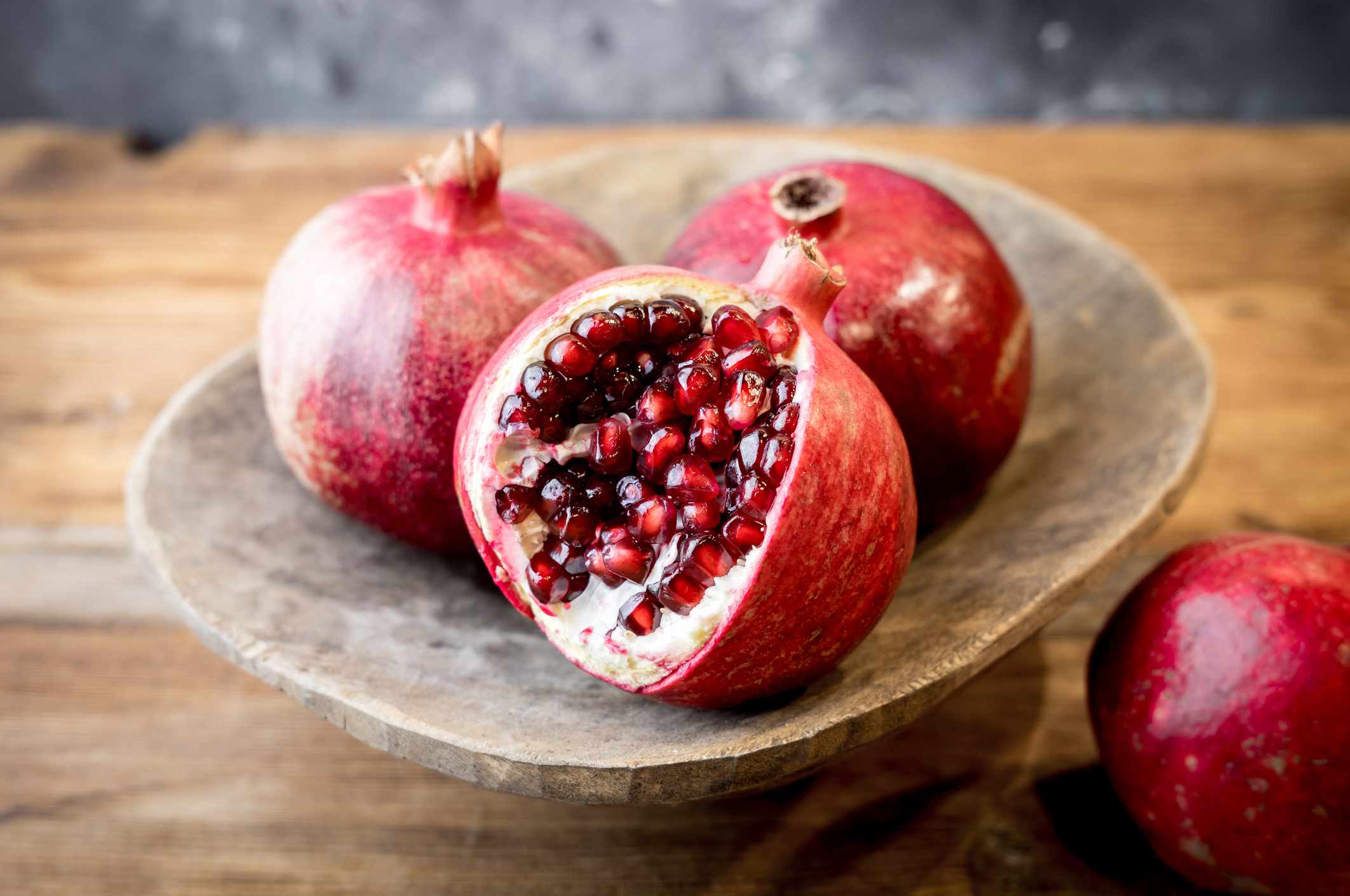
4 Surprising reasons why pomegranates deserve a spot in your superfood arsenal
Pomegranates have long been celebrated in various cultures for their unique flavor and beautiful appearance, but recent scientific research has elevated them to superfood status due to their numerous health benefits. These vibrant fruits are rich in essential nutrients and powerful antioxidants, providing a natural boost to your overall well-being. Here are four compelling reasons why adding pomegranates to your diet can be a game-changer for your health.
1. Potent Antioxidant and Anti-Inflammatory Effects
The most remarkable trait of pomegranates comes from their high concentration of antioxidants, including ellagitannins, anthocyanins, and organic acids. These compounds work synergistically to combat inflammation and protect cells from oxidative damage caused by free radicals. Chronic inflammation is linked to many diseases, including cancer, cardiovascular diseases, and neurodegenerative disorders, making pomegranates a dietary ally in promoting long-term health. Consuming pomegranate juice or seeds can help reduce biomarkers of inflammation, encouraging cellular repair and maintenance.
2. Enhancement of Post-Exercise Recovery and Athletic Performance
For athletes and fitness enthusiasts, pomegranates offer remarkable benefits by mitigating the oxidative stress induced by intense physical activity. Studies have shown that pomegranate juice supplementation can decrease muscle soreness and accelerate recovery, enabling more consistent training sessions. Additionally, it may improve cardiovascular responses during exercise and support better endurance. These attributes make pomegranates a natural choice to incorporate into sports nutrition regimens.
3. Cardiovascular Health Support
Heart disease remains the leading cause of mortality worldwide, emphasizing the need for heart-healthy foods. Pomegranates have been shown to reduce risk factors associated with cardiovascular conditions, including lowering high blood pressure and improving lipid profiles by decreasing total cholesterol and increasing high-density lipoprotein (HDL), often called “good cholesterol.” The polyphenols in pomegranates also enhance blood antioxidant levels, contributing to vascular health and reducing oxidative stress on heart tissues.
4. Cognitive Benefits and Neuroprotection
The brain’s vulnerability to oxidative damage makes it crucial to consume foods rich in antioxidants. Pomegranates provide neuroprotective effects by shielding nerve cells from damage and potentially improving cognitive functions such as memory and learning. Clinical trials suggest that regular consumption of pomegranate juice could slow cognitive decline, offering promising benefits especially for middle-aged and older adults.
Nutritional Profile: What Makes Pomegranates So Nutritious?
One cup of pomegranate seeds (arils) delivers a substantial amount of vital nutrients, such as approximately 145 calories, 33 grams of carbohydrates, nearly 7 grams of dietary fiber, protein, and healthy fats. They are an excellent source of vitamin C, which is crucial for immune system function, collagen production, and neurotransmitter synthesis. Folate content supports cell growth and is especially important during pregnancy. Furthermore, the potassium in pomegranates helps regulate blood pressure and supports healthy nerve and muscle function.
High fiber content in pomegranates aids digestion by promoting beneficial gut bacteria and preventing constipation. This comprehensive nutrient profile underlines why incorporating these juicy seeds into your diet can fortify your body’s essential processes.
Considerations and Precautions
While pomegranates provide many health advantages, they are not suitable for everyone. Individuals with allergies to pomegranate should avoid its consumption to prevent adverse reactions. Additionally, because pomegranate juice contains natural sugars and is lower in fiber compared to the whole fruit, those with diabetes or blood sugar regulation issues should consume it cautiously and in moderation to avoid glucose spikes.
In conclusion, pomegranates are not only delicious but also packed with nutrients and bioactive compounds that promote health from the inside out. Whether consumed as fresh arils, juice, or incorporated into meals, these fruits can contribute significantly to a balanced, health-conscious diet.

Thomas Smith is the editor of Weekly Wellness, specializing in health, lifestyle, and personal growth content.