Unlock heart health: the top 5 oils that lower bad cholesterol (and mistakes to avoid)
Choosing the right oils for cooking and consumption can play a crucial role in managing cholesterol and maintaining heart health. With cardiovascular diseases being a leading cause of mortality worldwide, understanding how dietary fats affect cholesterol is essential for promoting longevity and preventing illness.
Oils rich in monounsaturated and polyunsaturated fats have demonstrated the ability to lower LDL cholesterol—the ‘bad’ cholesterol that contributes to artery clogging—and raise HDL cholesterol, the beneficial type. Using these oils instead of saturated or trans fats can support healthy cholesterol balance and reduce the risk of heart disease. Among the wide variety of oils available, five stand out due to their cholesterol-lowering properties and versatility in the kitchen.
1. Extra-Virgin Olive Oil: A Heart-Healthy Staple
Celebrated in Mediterranean diets, extra-virgin olive oil is abundant in monounsaturated fats known to promote cardiovascular wellness. Beyond its fat composition, its antioxidant polyphenols provide anti-inflammatory benefits and help protect blood vessels. One common misconception is that this oil is unsuitable for most cooking methods due to heating limitations; however, its smoke point, ranging from 350 to 410 degrees Fahrenheit, makes it surprisingly adaptable for sautéing, grilling, and even light frying. Its robust flavor enhances salads and roasted vegetables, making it a versatile daily choice for heart-conscious individuals.
2. Avocado Oil: High Heat, High Benefits
Avocado oil shares a similar fat profile to olive oil but offers a higher smoke point, reaching up to approximately 520 degrees Fahrenheit. This feature makes it ideal for high-heat cooking methods such as roasting meats and grilling vegetables without breaking down into harmful compounds. Its mild, buttery taste does not overpower dishes while providing monounsaturated fats that help lower LDL cholesterol and support overall heart function. Preventive cardiology dietitians emphasize its role in minimizing oxidation during cooking, which is critical for preserving the oil’s health benefits.
3. Canola Oil: Affordable and Heart-Healthy
Canola oil is another excellent choice, particularly due to its low saturated fat content and rich amounts of omega-3 fatty acids derived from plants. Replacing saturated fats with canola oil has been linked in research to reductions in LDL cholesterol and decreased cardiovascular risks. Its neutral flavor and moderate smoke point make it suitable for routine cooking like baking, frying, and sautéing, allowing for daily integration into heart-healthy diets without flavor conflicts.
4. Soybean Oil: The Omega-3 Powerhouse
Widely accessible and budget-friendly, soybean oil contains significant quantities of alpha-linolenic acid (ALA), a plant-based omega-3 fatty acid that the human body converts into EPA and DHA, essential for heart protection. Studies suggest that regular consumption of soybean oil may reduce the risk of coronary heart disease, making it a practical oil for everyday use in cooking methods such as stir-frying and baking. Due to its polyunsaturated fat content, soybean oil supports reducing inflammation and maintaining optimal blood lipid profiles.
5. Walnut Oil: Delicate and Nutritious
Walnut oil is rich in omega-3 fats and has been associated with lowering inflammation and potential protective effects against certain cancers. However, its low smoke point necessitates careful use; it oxidizes easily at high temperatures. For this reason, it’s best suited for cold applications like salad dressings or as a finishing oil drizzled over cooked veggies and dips. Its distinct nutty flavor enhances a variety of dishes while delivering important nutritional benefits.
Common Mistakes That Can Negatively Impact Cholesterol
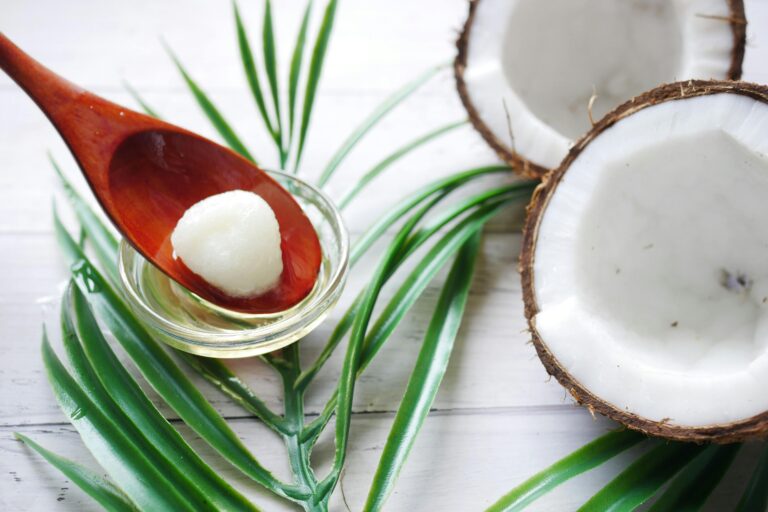
While incorporating healthy oils is vital, several common mistakes can inadvertently raise cholesterol. One major error is assuming all plant-based oils are heart-friendly—coconut oil, despite its popularity for health claims on social media, contains very high saturated fat levels, which can elevate LDL cholesterol dramatically. The American Heart Association recommends limiting saturated fat intake to about 13 grams per day, and even a single tablespoon of coconut oil delivers nearly this amount.
Another frequent pitfall is using one oil for all types of cooking without regard for its smoke point. Heating oils beyond this limit causes nutrient degradation and formation of harmful compounds, which can contribute to inflammation and oxidative stress. Experts advise storing oils appropriately away from heat and light to maintain their quality and health benefits.
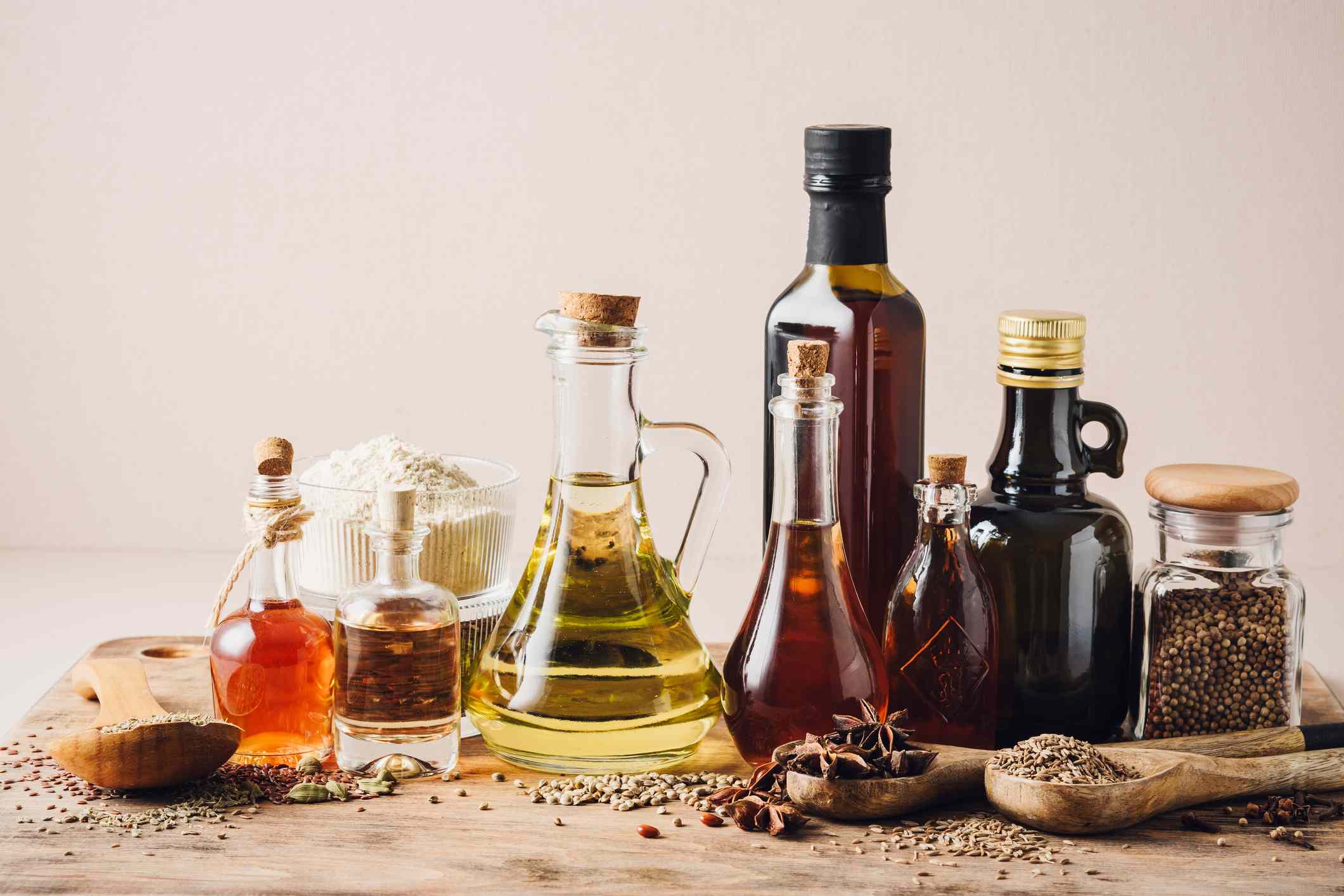
For optimal heart health, it is advisable to maintain a variety of oils in the kitchen, selecting ones with less than 4 grams of saturated fat per tablespoon, and avoiding partially hydrogenated oils that contain trans fats, which are particularly detrimental to cholesterol levels.
Understanding Fats and Their Impact
Different types of fats influence cholesterol differently: monounsaturated and polyunsaturated fats lower LDL cholesterol, omega-3 fatty acids reduce inflammation and protect the heart, whereas saturated and trans fats raise LDL and reduce HDL cholesterol. Long-term consumption of heart-healthy oils combined with an overall balanced diet can significantly improve lipid profiles and reduce the risk of cardiovascular disease.
In conclusion, incorporating extra-virgin olive oil, avocado oil, canola oil, soybean oil, and walnut oil wisely into your diet, while avoiding common mistakes, can be a powerful strategy in cholesterol management. Awareness about oil types, cooking methods, and proper storage enhances not only flavor but also health outcomes, contributing to a longer, healthier life.

Thomas Smith is the editor of Weekly Wellness, specializing in health, lifestyle, and personal growth content.