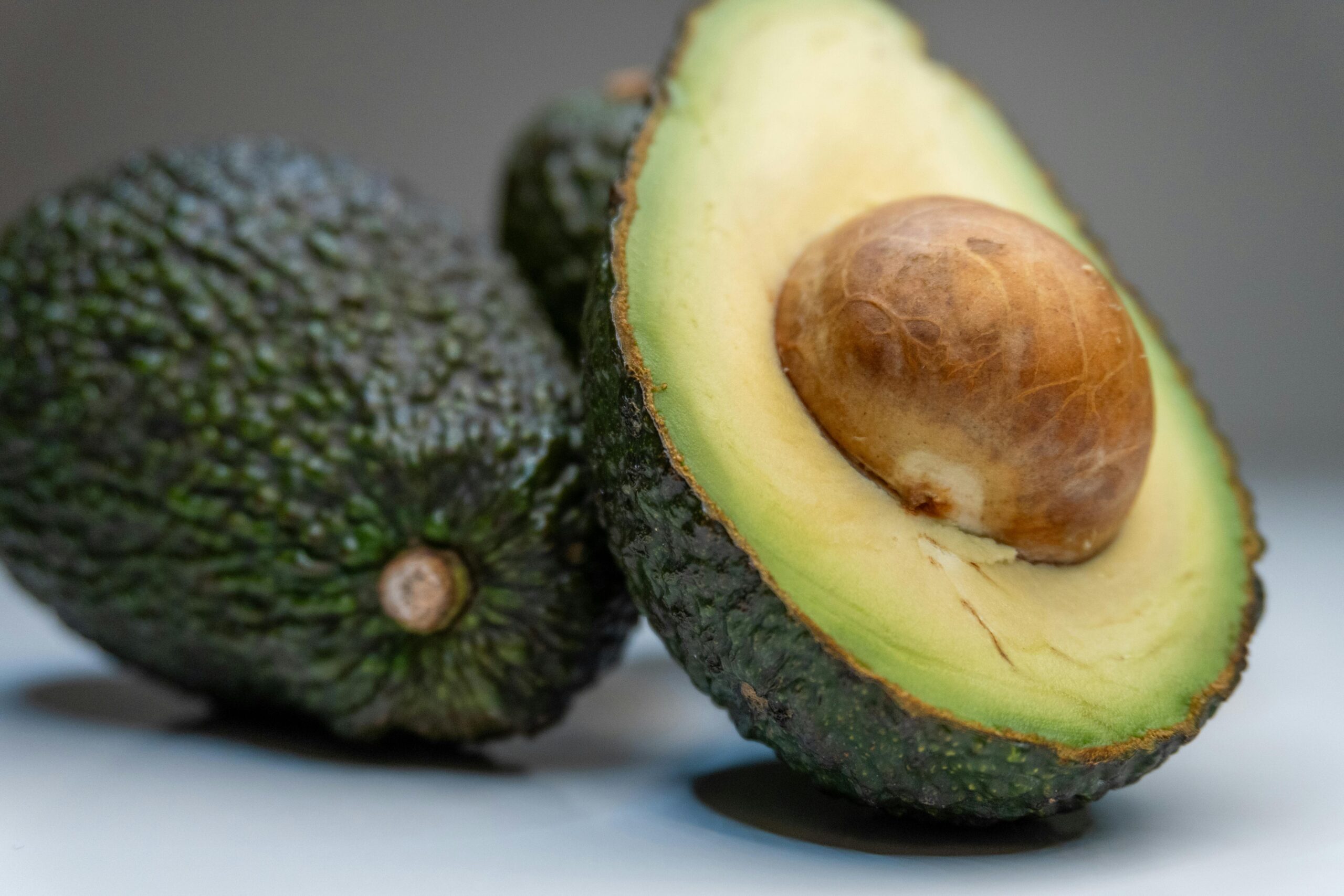
Unlock the hidden power of avocado seeds: why you should never throw them away again
Avocados have gained worldwide popularity not only for their creamy texture and delicious flavor but also for their impressive nutritional profile. While most people enjoy the fruit’s soft flesh, the large seed inside is often discarded as waste. However, recent research and growing culinary trends suggest that avocado seeds are a treasure trove of nutrients and bioactive compounds, offering remarkable health benefits when properly prepared and incorporated into your diet.
The avocado seed, sometimes referred to as the pit, serves as the biological reservoir of the fruit. It contains essential lipids, proteins, vitamins, and minerals crucial for the growth and protection of the plant. Beyond these, the real value lies in its rich concentration of polyphenols, flavonoids, and antioxidants—compounds celebrated for their potent anti-inflammatory and antimicrobial properties. These compounds help neutralize free radicals in the body, reduce oxidative stress, and can support the immune system in fighting infections.
Why Keep the Avocado Seed and Not Toss It?
Throwing away avocado seeds overlooks a natural, concentrated source of nutrients that can significantly enrich our diets. Incorporating avocado seed powder into meals or drinks offers a natural way to supplement antioxidants often missing in everyday nutrition. These phytochemicals have been linked to cardiovascular health by improving blood vessel function and regulating blood sugar levels, as well as promoting a healthier gut microbiome through their anti-inflammatory effects.
Safe Preparation Methods Are Key
Consuming raw avocado seeds directly is not recommended because of the presence of tannins and other antinutrients that may irritate the digestive tract and cause discomfort such as bloating or nausea. Proper preparation is essential to make the seed safe and palatable. The process begins by thoroughly washing the seed to remove any fruit residue and then breaking it into smaller pieces while it is still moist and somewhat soft. These pieces should then be dried completely in a well-ventilated or sunny area to reduce moisture content and inhibit microbial growth.
After drying, to further neutralize bitterness and antinutritional factors, the seed pieces can be lightly roasted, which also imparts a mild, pleasant aroma. The final step involves grinding the roasted pieces into a fine powder, which can be conveniently stored in airtight containers in a cool, dry place to preserve the beneficial properties and avoid spoilage.
How to Incorporate Avocado Seed Powder into Your Diet
Starting with small amounts—about half a teaspoon daily mixed into warm water or herbal tea—is advisable. Gradually, depending on individual tolerance, this can be increased up to a teaspoon per day without exceeding recommended limits. The powder blends well into breakfast porridges, smoothies, juices, or even baked goods, delivering an antioxidant boost to everyday meals while supporting immune function.
These plant compounds help reduce chronic inflammation, protect heart health by promoting healthy cholesterol levels, and aid glucose metabolism, which is particularly beneficial for people managing diabetes or prediabetes. Additionally, the fiber and phytochemicals support gut health by nourishing beneficial bacteria that contribute to digestive well-being.
Precautions and Who Should Avoid Avocado Seed Consumption
Despite its natural origin and promising benefits, avocado seed consumption requires caution. Pregnant and breastfeeding women are advised to avoid it due to insufficient research on its safety in these populations. Similarly, young children, whose digestive systems are sensitive, should not consume avocado seed products.
Individuals with liver impairments or those taking medications should consult healthcare professionals before introducing avocado seed powder to their diet, as some bioactive components might interfere with drug metabolism or increase liver workload. Overconsumption may lead to digestive issues such as gas, constipation, or nausea, underscoring the importance of starting with low doses and monitoring reactions.
Contributing to Sustainable Eating Practices
Choosing to utilize avocado seeds instead of discarding them aligns with growing global efforts to reduce food waste and promote sustainable consumption. This approach not only extends the value of the avocado but also lessens environmental impact by making full use of the fruit. By transforming what was once considered kitchen waste into a functional ingredient, consumers take an active role in conserving resources and enhancing their health simultaneously.
In summary, the avocado seed holds significant untapped potential as a natural source of nutrients and antioxidants. With proper preparation and responsible consumption, it can be a valuable addition to a healthy diet, supporting various aspects of physical well-being. Embracing such innovative food practices invites us to rethink how we perceive food waste and encourages us to harness nature’s offerings more fully.

Thomas Smith is the editor of Weekly Wellness, specializing in health, lifestyle, and personal growth content.