
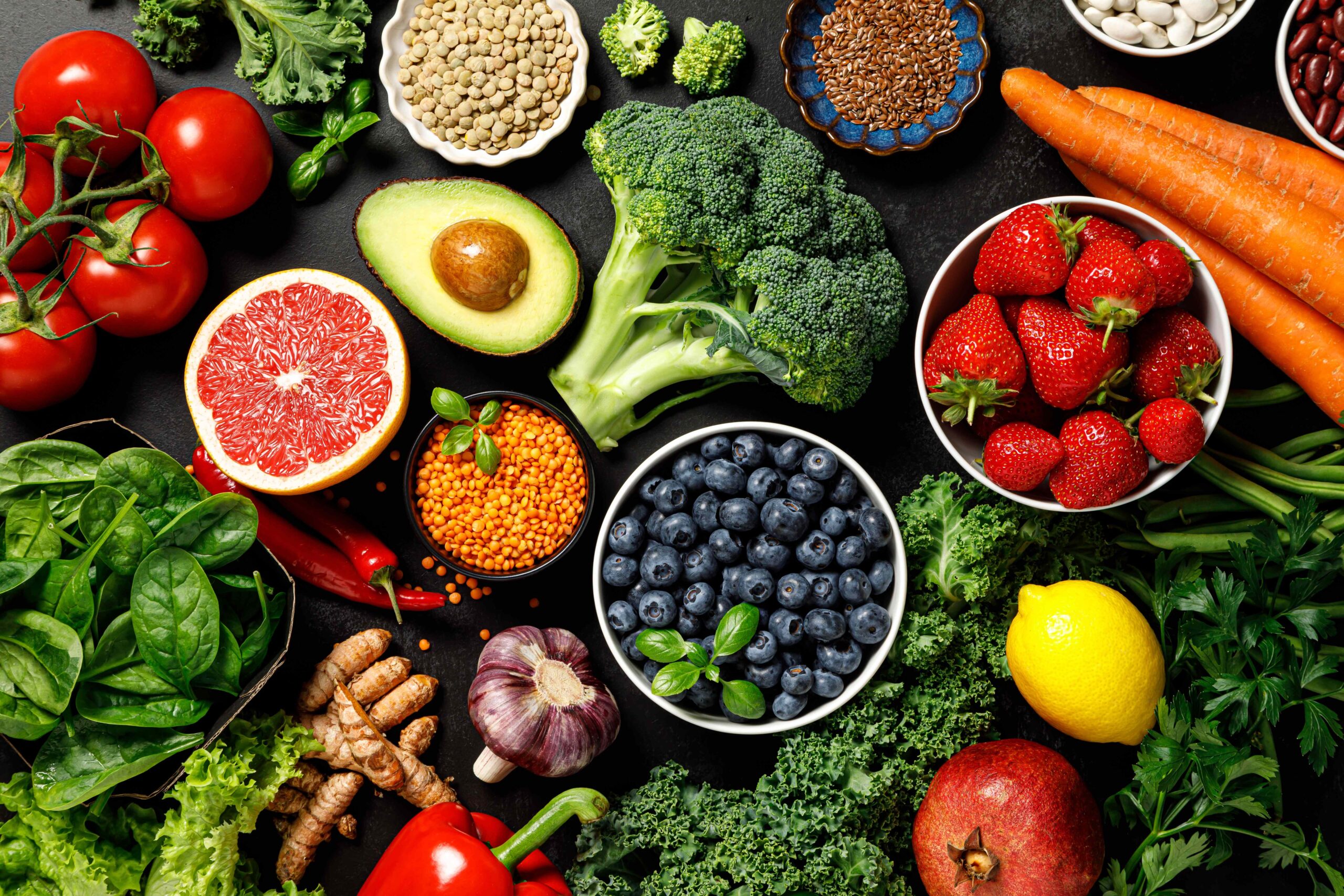
Low-carb vs. low-fat: why food quality trumps macros for your heart health
For decades, nutritional debates have raged over whether low-carbohydrate or low-fat diets are superior for heart health. However, cutting-edge research published in the Journal of the American College of Cardiology unveils a more nuanced perspective: the quality of the foods consumed matters far more than simply the amount of carbohydrates or fats in the diet.
This large-scale study tracked nearly 200,000 participants, primarily healthcare professionals, over more than 30 years to observe how different dietary patterns influence coronary heart disease risk. The findings reveal that diets rich in whole, plant-based foods and low in refined carbohydrates and animal products are associated with a substantially reduced risk of heart disease. This shifts the focus from the simplistic labels of ‘low-carb’ or ‘low-fat’ to a deeper understanding of nutritional quality and food sources.
Beyond Carbs and Fats: The Importance of Dietary Quality
Past diet debates often centered exclusively on macronutrient proportions, pitting low-carb against low-fat approaches. However, according to Dr. Carlos Macias, a cardiac electrophysiologist at UCLA Health not involved in the study, this new research underscores that “there was probably too much focus on the label ‘low-carb’ or ‘low-fat’ without asking what people were actually eating.” The key determinant, it seems, lies in choosing high-quality foods rather than merely restricting macros.
The researchers analyzed self-reported dietary habits alongside blood biomarkers and health outcomes, assessing diverse eating patterns. They found that diets emphasizing whole grains, legumes, nuts, and other plant-based sources of fat and protein were linked to a roughly 15% lower risk of coronary heart disease. Conversely, low-fat or low-carb diets dominated by refined carbohydrates like white bread and pasta, and animal protein sources, corresponded with increased risk.
How Food Choices Impact Cholesterol and Heart Disease Risk
One of the critical findings was that people consuming higher-quality versions of these diets exhibited more favorable lipid profiles. They showed increased levels of high-density lipoprotein (HDL) cholesterol—commonly dubbed “good cholesterol”—and reduced triglycerides, fats in the blood that elevate cardiovascular risk. These patterns suggest that beyond weight or calorie control, the specific nutritional composition influences heart health at a biochemical level.
Lead author Zhiyuan Wu, PhD, from Harvard T.H. Chan School of Public Health, emphasizes that “an overall healthy eating pattern emphasizing macronutrients from whole grain, high-quality plant-based foods is the key strategy for the primary prevention of heart disease.” This approach advocates integrating nutrient-dense, minimally processed foods rich in fibers, vitamins, and antioxidants, which collectively contribute to cardiovascular protection.
Study Limitations and Broader Context
While the research offers powerful insights, it is important to note its observational nature, which limits the ability to establish causality. Self-reported dietary data can be prone to inaccuracies, and the participant group—mainly healthcare professionals—may not represent the broader population with more varied eating habits. Despite these limitations, the findings clarify much confusion emerging from previous diet discussions.
This study represents a pivotal moment in nutritional science, encouraging a shift from counting grams of carbs or fats to discerning the origin and quality of these macronutrients. As Dr. Macias remarks, it “really shifts the conversation toward quality over quantity,” empowering individuals to focus on wholesome, plant-forward dietary choices rather than restrictive labels alone.
In summary, for those seeking to protect their heart health, adopting a diet rich in whole grains, legumes, vegetables, fruits, nuts, and plant-based proteins—while limiting processed and refined foods—appears to be the most effective strategy. This quality-centered approach not only lowers coronary heart disease risk but also supports overall metabolic health and well-being.

Thomas Smith is the editor of Weekly Wellness, specializing in health, lifestyle, and personal growth content.