
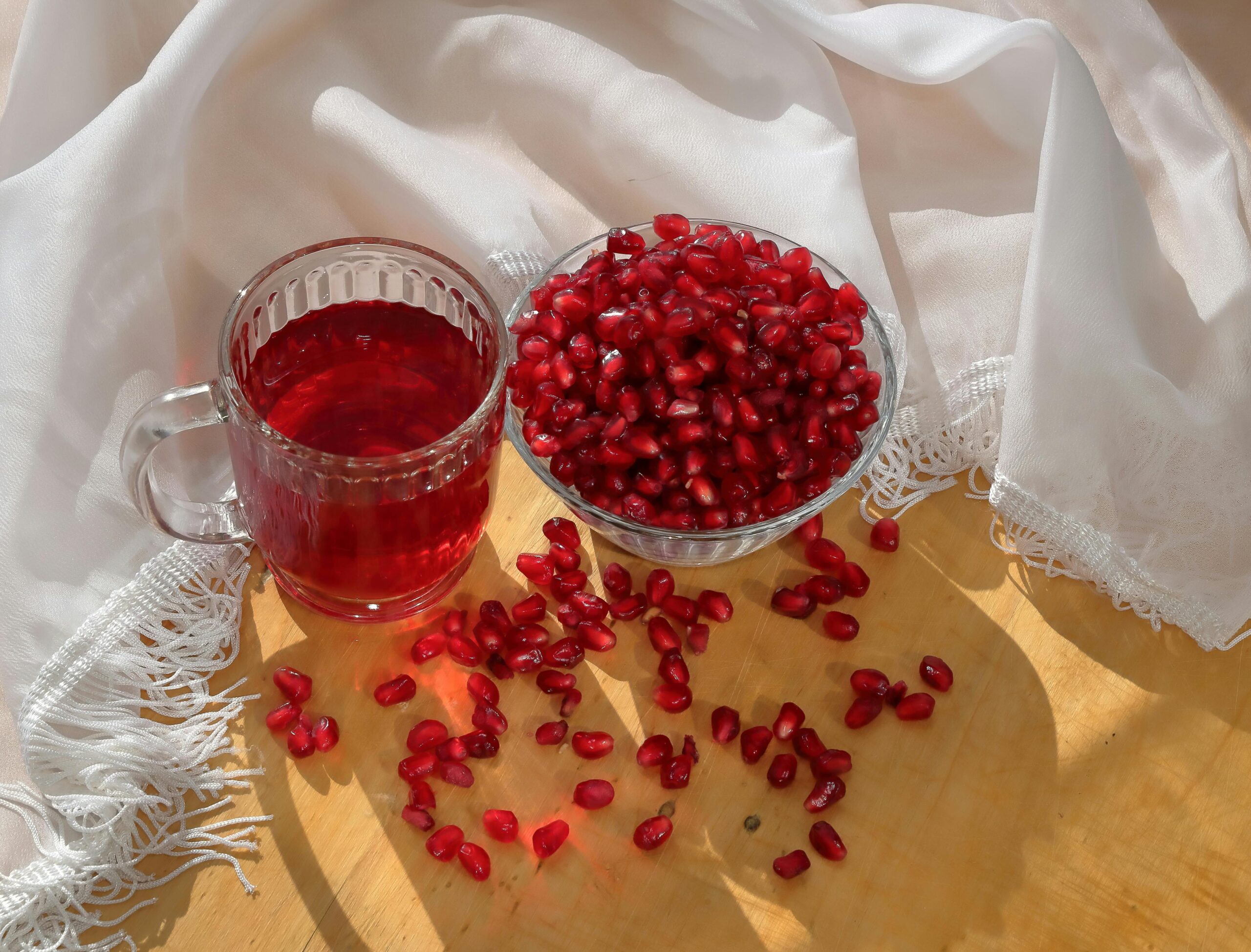
Unlock the secret power of pomegranate juice: when and how to drink for ultimate heart health
Pomegranate juice has long been celebrated for its remarkable health benefits, particularly concerning cardiovascular health and blood pressure regulation. Rich in antioxidants and polysaccharides, this vibrant juice helps improve vascular function and supports the maintenance of healthy blood pressure levels. Despite its popularity, many are uncertain about the optimal timing and quantity for consuming pomegranate juice to maximize its heart-protective effects.
Understanding the Impact of Pomegranate Juice on Cardiovascular Health
The key bioactive compounds in pomegranate juice are polyphenols, which exert their effects gradually and consistently. By reducing oxidative stress and enhancing the elasticity of blood vessels over time, these compounds contribute to improved cardiovascular function. It is important to recognize that the benefits of pomegranate juice are cumulative and require regular consumption for noticeable improvements in blood vessel health and blood pressure control.
The Best Time to Consume Pomegranate Juice for Maximum Benefit
While there is no strict rule on the exact timing, nutrition experts generally agree that consistency is essential. For many individuals, drinking pomegranate juice in the morning or early afternoon is ideal. This timing aligns with the body’s digestive rhythms and maximizes energy benefits throughout the day, as the juice serves as a natural, refreshing source of antioxidants and nutrients that can enhance alertness and well-being.
However, individuals with sensitive stomachs or those prone to acid reflux should avoid consuming pomegranate juice late in the evening. The acidity of the juice may exacerbate symptoms of heartburn and disrupt sleep quality. Moreover, people managing diabetes or insulin resistance should consider drinking the juice alongside meals or protein-rich snacks to prevent rapid spikes in blood sugar levels.
Potential Medication Interactions and the Importance of Medical Guidance
Pomegranate juice may interact with certain blood pressure medications, blood thinners, and statins. These interactions can alter the effectiveness of drugs or increase the risk of adverse effects. Therefore, consulting a healthcare professional before incorporating pomegranate juice regularly into one’s diet is essential, particularly for those on prescribed medications. This precaution ensures safe use and helps avoid unintended complications.
Recommended Intake and Complementary Lifestyle Practices
Scientific studies recommend consuming approximately 120 to 240 milliliters (half to one cup) of 100% unsweetened pomegranate juice daily. This amount offers sufficient antioxidants and polysaccharides while keeping sugar and caloric intake within healthy limits. A modest daily portion can effectively support cardiovascular health and contribute to blood pressure stabilization without overwhelming the body’s metabolic balance.
Alongside pomegranate juice consumption, maintaining a balanced diet, engaging in regular physical activity, and managing stress are critical for overall heart health. A holistic approach incorporating these lifestyle factors amplifies the benefits and reduces the risk of serious heart and vascular diseases.
Pomegranate Seeds: A Nutritious Alternative
In addition to the juice, pomegranate seeds (arils) provide valuable nutrients including vitamins, fiber, and antioxidants. These seeds can be easily incorporated into meals such as salads, yogurts, or creative sauces blending avocado and mango. By including whole seeds in the diet, individuals can enhance digestive health and bolster overall immune defenses, complementing the benefits of the juice.
In summary, regular and mindful consumption of pomegranate juice, tailored to individual health needs and medical considerations, offers a natural and effective means to support heart function and blood pressure management. This superfood can be seamlessly integrated into daily nutrition as part of a comprehensive wellness strategy.

Thomas Smith is the editor of Weekly Wellness, specializing in health, lifestyle, and personal growth content.