Unlock hidden energy: 7 powerful iron-rich foods you need to boost your health naturally
Iron is an essential mineral that plays a vital role in various bodily functions, including oxygen transportation, energy production, and immune system support. While many people turn to iron supplements to address iron deficiencies, obtaining iron from natural dietary sources can often be a safer, more nutritious, and more effective way to maintain optimal health. This article unveils seven potent iron-rich foods that not only replenish your iron stores but also provide a multitude of other nutrients beneficial for overall well-being.
1. Cooked Oysters: A Sea Treasure Packed with Easily Absorbed Heme Iron
Oysters are well-known for their exceptionally high heme iron content, the form of iron most readily absorbed by the human body. Just a 3-ounce (85-gram) serving of cooked oysters provides an impressive 6.1 mg of iron, contributing significantly to the recommended daily intake of 8 to 18 mg for adults. Besides iron, oysters are rich in other micronutrients such as vitamin B12 and essential minerals that promote healthy blood formation, making them a nutritional powerhouse within the seafood category.
2. Chicken Liver: The Ultimate Organ Meat for Iron Boosting
Chicken liver stands out as one of the most concentrated natural dietary sources of iron, delivering a remarkable 10.8 mg per 3-ounce serving. Beyond iron, it is an abundant source of vital nutrients including vitamin A and folate, which contribute to healthy vision, cell growth, and blood health. Although some may hesitate due to the distinct flavor or texture, when prepared properly, chicken liver offers an efficient and nutrient-dense way to combat iron deficiency swiftly.
3. Beef Liver: A Nutritional Powerhouse for Iron and Protein
Similar to chicken liver, beef liver is a highly valuable source of iron, containing around 5.2 mg per 3-ounce portion. Along with iron, it offers high-quality protein and an array of vitamins and minerals that support metabolic health. Incorporating beef liver regularly into your diet can be a practical approach to preventing iron deficiency, especially for those who may not consume enough other animal-based products.
4. Soybeans: A Top Plant-Based Iron Source for Vegetarians and Vegans
Soybeans, which serve as the foundation for popular products like tofu and tempeh, provide approximately 8.8 mg of iron per cooked cup (172 grams). This legume not only supplies ample iron but also delivers high-quality plant protein, making it an ideal nutrient source for vegetarians and vegans striving to increase their iron intake naturally. To maximize absorption of the non-heme iron found in soybeans, pairing them with vitamin C-rich foods such as citrus fruits or bell peppers is highly recommended.
5. Pumpkin Seeds: A Deliciously Nutritious Snack Loaded with Iron
Pumpkin seeds, also known as pepitas, are a tasty and convenient snack that can significantly contribute to daily iron intake, offering about 2.5 mg of iron per one-ounce (28-gram) serving. Apart from iron, these seeds are abundant in healthy fats, protein, magnesium, and other essential minerals, all of which promote cardiovascular health and overall vitality.
6. Lentils: Fiber-Rich and Iron-Loaded Legumes
Lentils are among the most popular and accessible plant-based iron sources, delivering roughly 7.2 mg of iron per 100-gram serving. In addition to iron, lentils pack a high amount of dietary fiber, which aids digestion and helps sustain a feeling of fullness over extended periods. Including lentils in your meals regularly can be particularly beneficial for vegetarians and anyone seeking to prevent or correct iron deficiency.
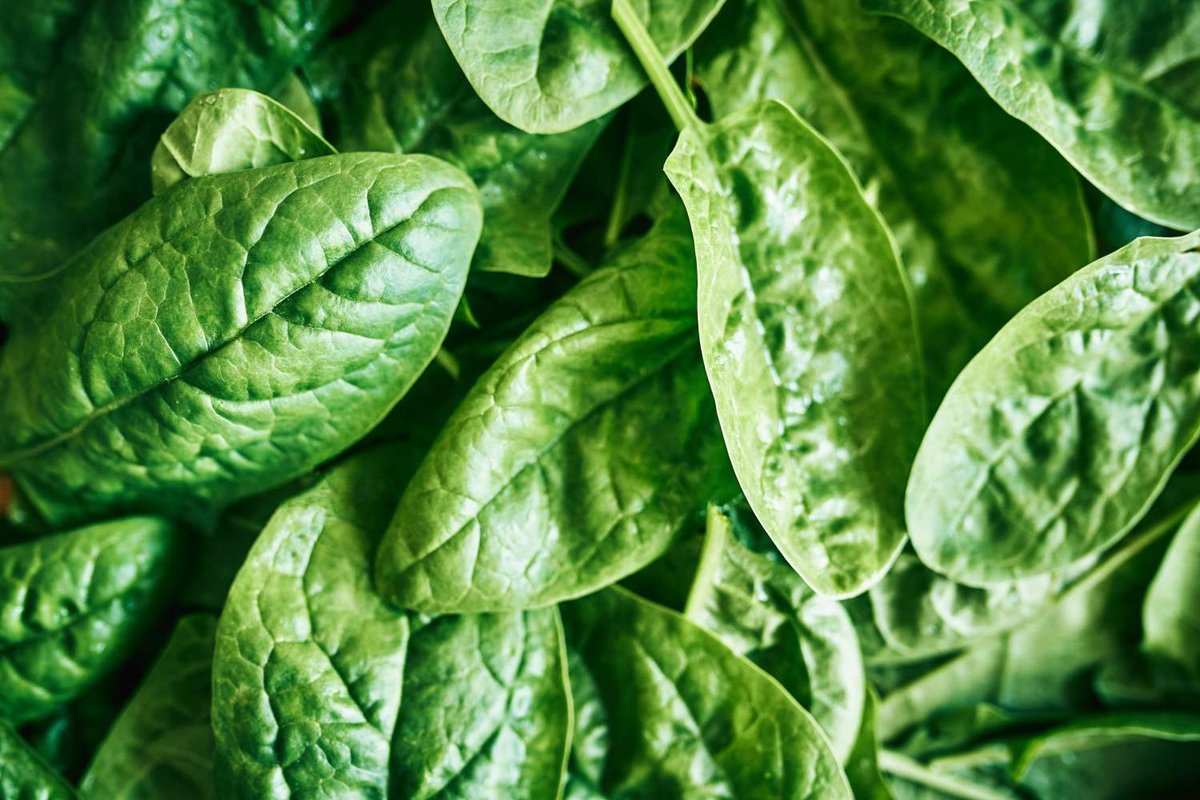
7. Spinach: A Classic Green Leafy Vegetable with Iron and Antioxidants
Spinach is well-regarded for its modest iron content, containing around 3 mg per cup of raw leaves. While this non-heme iron is less readily absorbed compared to animal-based sources, spinach offers a broad spectrum of vitamins, antioxidants, and phytonutrients that support immune function and overall health. Its versatility makes it an excellent daily addition to meals, especially when combined with vitamin C-rich foods to enhance iron absorption.
Understanding Different Types of Iron and Enhancing Absorption
Iron in food exists mainly in two forms: heme and non-heme. Heme iron, found in animal products such as meat, poultry, and seafood, boasts higher bioavailability, meaning the body can absorb it more efficiently. Conversely, non-heme iron predominates in plant-based foods and is less readily absorbed, partly due to the presence of natural compounds like phytates that inhibit iron uptake.
To optimize iron absorption, especially from plant sources, it’s advisable to consume these foods alongside vitamin C-rich items, including citrus fruits, strawberries, and bell peppers. Vitamin C acts as a potent enhancer by converting non-heme iron into a more absorbable form. Additionally, avoiding calcium-rich foods or supplements simultaneously with iron-rich meals is recommended, as calcium can interfere with iron absorption. For individuals consuming both plant and animal iron sources together, the combined effect can significantly improve overall iron uptake.
The Health Advantages of Natural Iron-Rich Foods Over Supplements
Relying on natural foods as iron sources delivers multiple health benefits beyond just addressing iron deficiency. These foods provide a complex array of nutrients that synergistically support bodily functions, including antioxidants, proteins, healthy fats, and various vitamins. Supplements, while effective in some contexts, sometimes pose risks such as gastrointestinal discomfort or iron overload when misused. Therefore, adopting a balanced diet rich in natural iron sources lays a stronger foundation for sustained health and vitality.
Incorporating the seven highlighted foods—oysters, chicken liver, beef liver, soybeans, pumpkin seeds, lentils, and spinach—into your regular diet can help you safely and effectively maintain optimal iron levels. This naturally supports your energy levels, immune resilience, and overall wellness without relying on artificial supplementation.

Thomas Smith is the editor of Weekly Wellness, specializing in health, lifestyle, and personal growth content.