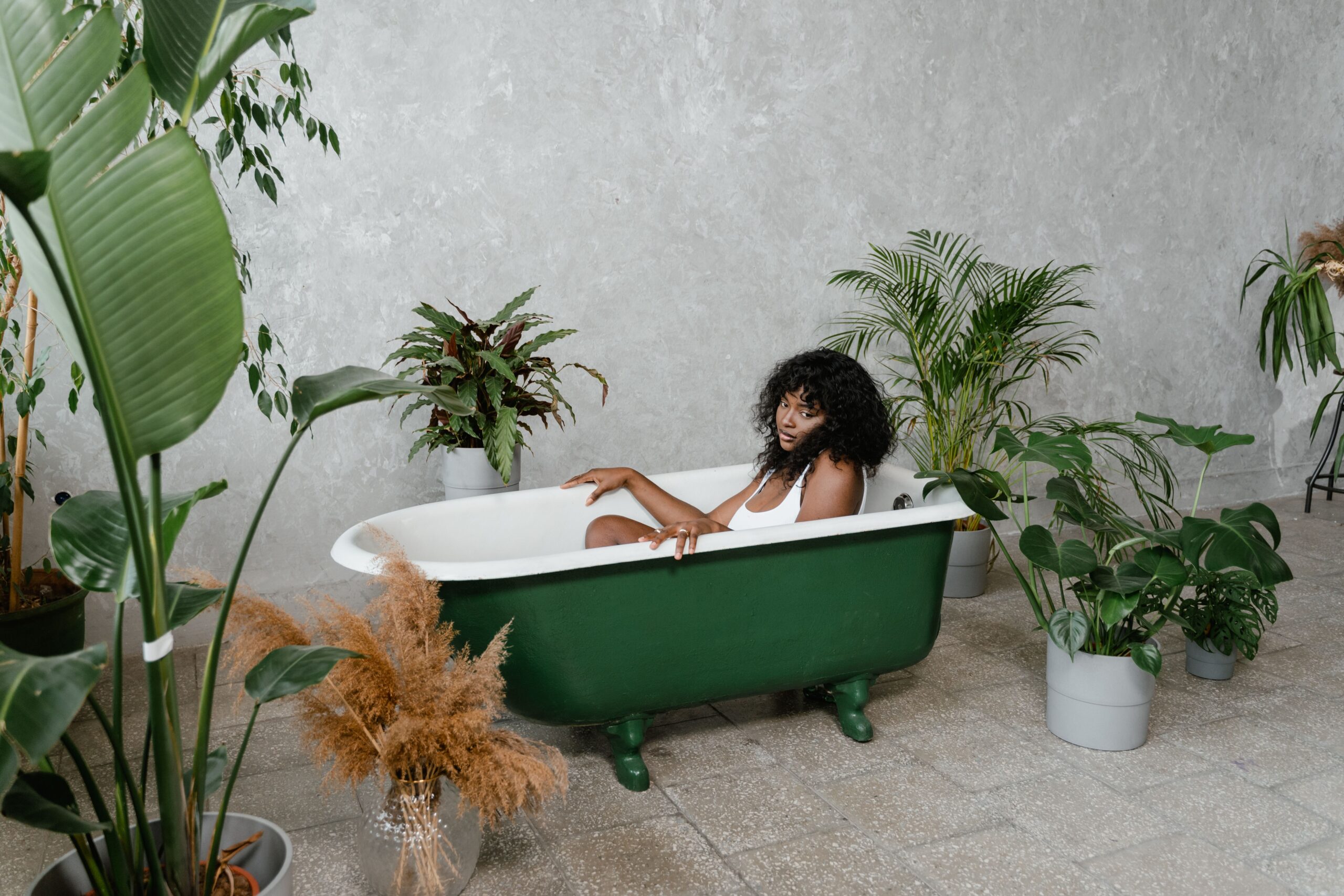
5 Houseplants that help create the perfect bathroom climate
Bathrooms are often the most humid rooms in the house. Daily showers, baths and limited ventilation can create the ideal environment for excess moisture and, eventually, mold growth.
While no plant can completely eliminate humidity problems, certain species naturally absorb moisture from the air and thrive in warm, damp conditions. Combined with proper ventilation, these plants can help create a fresher, healthier and more inviting bathroom environment.
Why plants thrive in bathrooms
Many popular houseplants originate from tropical rainforests where humidity levels are consistently high. As a result, bathrooms often mimic the conditions these plants naturally prefer.
Besides adding greenery and visual appeal, some plants can help improve air quality and make the space feel more comfortable.
1. Fern – the humidity lover
Few plants enjoy bathroom conditions as much as ferns. Their natural habitat is warm, humid forests, making them ideal for rooms where moisture levels regularly rise.
Ferns prefer indirect light and consistently moist soil. They can tolerate lower light conditions better than many other houseplants and add a lush, tropical feel to any bathroom.
Why it works
The fern’s dense foliage thrives in humid air and benefits from the steam produced by showers. Many homeowners find that ferns require less maintenance in bathrooms than in drier areas of the home.
2. Peace lily – beautiful and practical
The peace lily is one of the easiest houseplants to grow indoors. Its glossy green leaves and elegant white flowers make it a favorite among plant enthusiasts.
It tolerates low light, enjoys humid conditions and can adapt well to bathroom environments. Its ability to thrive in moisture-rich air makes it one of the most popular bathroom plants.
Care tips
Keep the soil lightly moist and place the plant where it can receive indirect light. Peace lilies usually signal when they need water by slightly drooping their leaves.
3. Air plants (tillandsia)
Air plants are unique because they do not require soil to grow. Instead, they absorb moisture and nutrients directly through their leaves.
Because of this, bathrooms can provide an ideal environment, especially when there is some natural light available. Air plants can be displayed in decorative holders, hanging arrangements or mounted on wood for a modern look.
Minimal maintenance
These plants require very little care and are perfect for people who want greenery without dealing with traditional potting soil.
4. Spider plant – the easy air purifier
The spider plant is one of the most beginner-friendly houseplants available. It adapts well to varying light conditions and enjoys the increased humidity found in bathrooms.
Its arching leaves create an attractive cascading effect, making it particularly suitable for shelves or hanging baskets.
A great choice for small bathrooms
Because spider plants remain relatively compact, they work well even in limited spaces while still adding a vibrant green touch.
5. Snake plant – nearly impossible to kill
For those who prefer low-maintenance plants, the snake plant is hard to beat. It tolerates low light, fluctuating temperatures and high humidity remarkably well.
Its upright leaves add a modern architectural look to bathroom interiors, and it requires very little watering compared with most tropical plants.
Perfect for busy homeowners
Snake plants can survive occasional neglect and continue looking healthy with minimal attention, making them ideal for people new to indoor gardening.
Can plants prevent mold?
Plants alone will not eliminate mold problems. Experts emphasize that proper ventilation remains the most effective way to control excess moisture. However, moisture-loving plants can help balance humidity levels while making the space more pleasant and inviting.
The best results come from combining good airflow, regular cleaning and carefully selected houseplants.
Choosing the right plant for your bathroom
Before buying a plant, consider how much natural light your bathroom receives. Some species, such as orchids and air plants, need more light, while others, including snake plants, peace lilies and ferns, can tolerate lower-light conditions.
Matching the plant to your bathroom’s environment will significantly increase its chances of thriving.

Anthony Brown is a wellness writer at Weekly Wellness, focusing on health, fitness, and lifestyle topics. He is passionate about helping readers build sustainable habits and improve their overall well-being through practical, research-informed advice.