How often should you really wash your hair? expert secrets to healthy, gorgeous hair
Hair washing frequency is a common concern for many individuals striving for healthy and beautiful hair. While some people believe in washing their hair daily, experts warn that excessive washing can harm both hair and scalp health. The ideal hair washing routine depends on various factors, including hair type, age, lifestyle, genetics, and cultural habits.
Is Daily Hair Washing Necessary?
For most adults, washing hair every two to three days is sufficient. Only those with very oily or fine straight hair might benefit from daily washing. This is because frequent washing strips the scalp’s natural oils, known as sebum, which are essential for moisturizing and protecting hair.
Overwashing can lead to scalp dryness, hair brittleness, split ends, and dandruff. Dermatologists recommend washing hair when it appears oily or dirty, preserving a healthy balance that supports hair strength and scalp integrity.
Understanding Sebum and Its Importance
Sebum is the natural oil produced by glands in the scalp that protects hair from becoming dry while giving it shine and elasticity. Maintaining the right level of sebum is crucial; too little causes dry, rough, and fragile hair, while too much leads to greasy hair, scalp irritation, and flaking.
Balancing sebum production is key to maintaining vibrant and resilient hair. Changes in sebum levels can reflect in hair texture and scalp comfort, underlining the need to tailor hair washing habits accordingly.
Factors Influencing Hair Washing Frequency
The most significant factor influencing how often you should wash your hair is hair type. Fine, straight hair tends to become greasy more quickly and may require more frequent washing. In contrast, curly or thick hair retains moisture better and does not usually require daily washing—in fact, daily cleansing could be harmful by causing dryness and frizz.
Hair length also plays a role; long, thick hair often benefits from less frequent washing because intense washing can strip natural oils, resulting in dryness and frizz. Age matters as well; younger people’s scalps typically produce more sebum, making their hair oilier and warranting more frequent cleaning compared to older individuals.
Genetics greatly influence hair type and oiliness, so family habits and hereditary factors can guide your washing routine. Lifestyle is another critical component—those who exercise frequently or sweat a lot outdoors may need to wash their hair more often to remove dirt, sweat, and environmental pollutants.
When to Increase Washing Frequency?
If you regularly use styling products like hairsprays, gels, or creams, more frequent washing can prevent product buildup that weighs hair down, clogs follicles, and irritates the scalp. Additionally, exposure to dust, pollen, and sweat from outdoor activities necessitates washing hair more often to maintain scalp hygiene.
Signs You’re Washing Hair Too Often
Excessive washing can cause hair fragility, dandruff, dryness, and itchy scalp. If your hair becomes weak, breaks easily, or your scalp feels irritated, consider reducing washing frequency and reassessing hair care products.
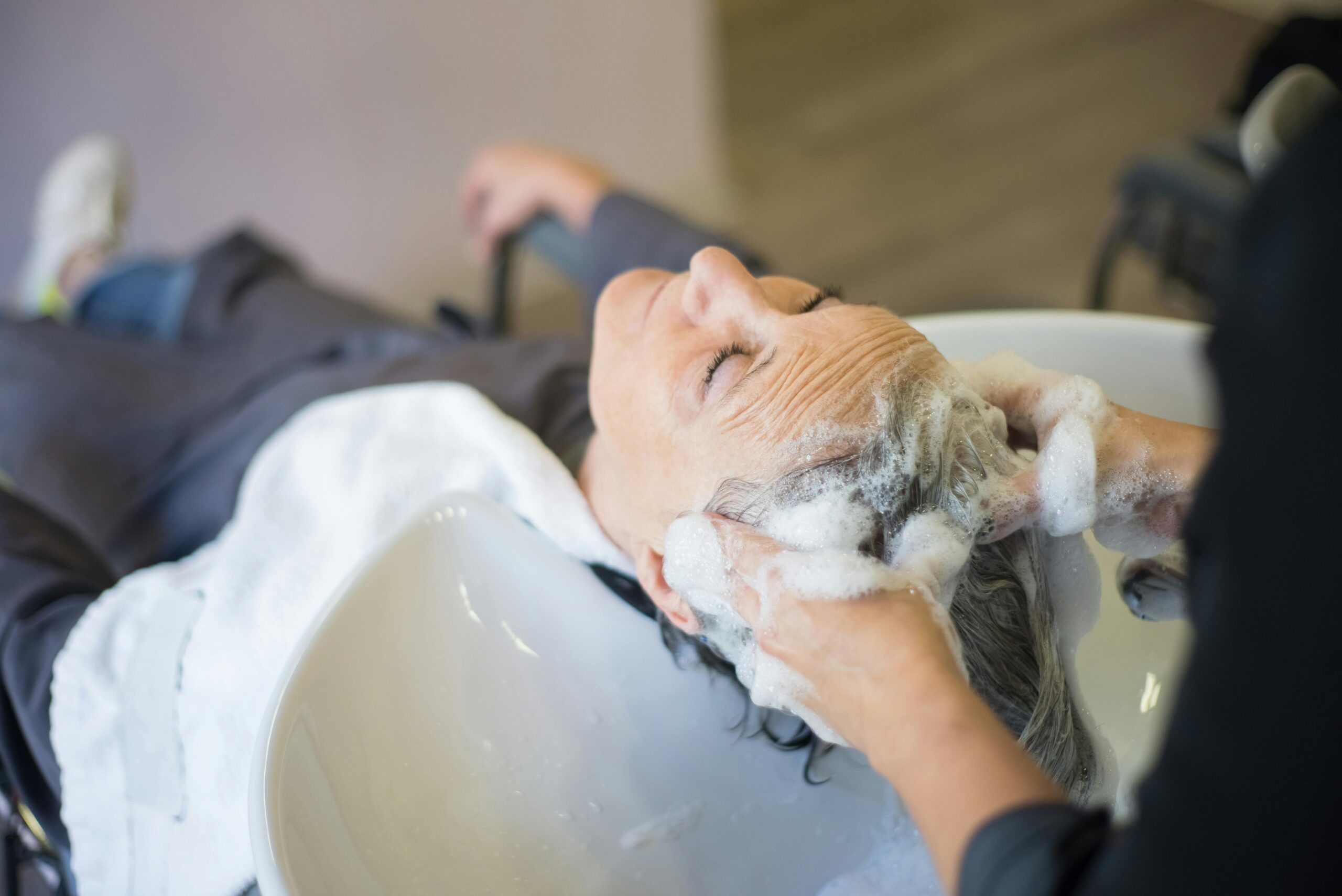
Applying shampoo gently only to the scalp and massaging softly can avoid unnecessary dryness along hair shafts. Using conditioner after shampooing, particularly on the ends, helps protect hair and maintain moisture balance.
Can Dry Shampoo Help Between Washes?
Dry shampoo temporarily absorbs excess oils and refreshes hair between washes, but it does not cleanse like traditional shampoo and should not replace regular washing. It is a convenient tool for extending time between washes without compromising scalp health.
Ultimately, a balanced hair washing routine tailored to your specific hair type and lifestyle promotes healthy, beautiful hair. Listening to your scalp’s needs and avoiding extremes ensures long-term hair vitality and shine.

Thomas Smith is the editor of Weekly Wellness, specializing in health, lifestyle, and personal growth content.