What to do with tulips after they bloom: practical tips
When tulips finish flowering, many gardeners are tempted to cut back the fading foliage immediately. While this may make flower beds look tidier, it is one of the most common mistakes that can reduce or even prevent blooming the following year.
Proper post-bloom care is essential if you want healthy bulbs and vibrant flowers next spring. Fortunately, caring for tulips after flowering is relatively simple once you know what to do.
Remove the flower, not the leaves
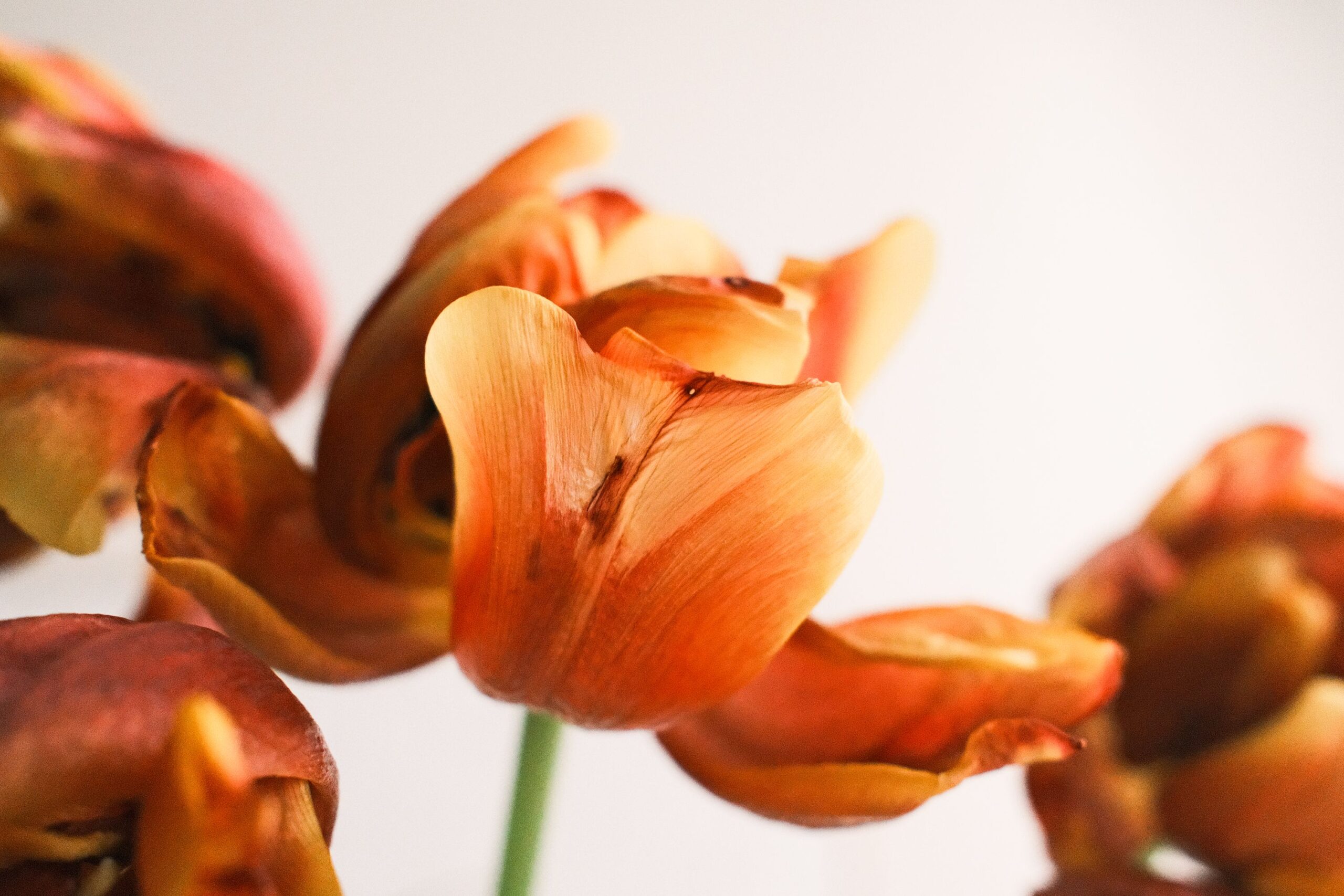
Once the petals have fallen and the flower begins to fade, the spent bloom should be removed. This prevents the plant from putting energy into seed production and allows it to focus on strengthening the bulb underground.
However, do not cut off the leaves.
The leaves continue to photosynthesize, producing the nutrients the bulb needs to survive winter and bloom again next year. Removing them too early can weaken the bulb significantly and may result in healthy-looking leaves but no flowers the following season.
Let the foliage die back naturally
After flowering, allow the leaves to remain in place until they turn yellow and begin to wither naturally.
This process typically takes four to six weeks. During this period, the bulb is storing energy for next year’s growth and flowering cycle. Cutting the foliage prematurely interrupts this process and can reduce future bloom quality.
Continue watering for a short time
Many gardeners stop watering immediately after the flowers fade, but tulips still benefit from moisture for a short period after blooming.
Experts recommend continuing to water for approximately two weeks after flowering ends, especially during dry weather. This helps the bulbs complete their nutrient storage cycle.
Consider feeding the bulbs
After removing the spent flowers, a light application of fertilizer rich in phosphorus and potassium can help strengthen the bulbs.
Avoid fertilizers that contain large amounts of nitrogen, as these encourage leafy growth rather than bulb development. Phosphorus and potassium support root and bulb health, improving flowering potential for the following year.
Should you dig up the bulbs?
The answer depends on the type of tulips you grow.
Many botanical and older tulip varieties can remain in the ground for several years and continue flowering successfully. For gardeners seeking a low-maintenance approach, leaving bulbs in place is often perfectly acceptable.
However, many modern hybrid tulips, double-flowered varieties and large showy cultivars often perform better when bulbs are lifted periodically. Digging them up allows gardeners to inspect their condition, remove diseased bulbs and prevent overcrowding.
The best time to dig up tulips
Bulbs should only be dug up once the leaves have completely yellowed and dried.
In most climates, this occurs in late June or July. At that stage, the bulb has finished storing nutrients and entered dormancy.
Carefully lift the bulbs from the soil, brush away excess dirt and inspect them for signs of disease or rot. Any damaged bulbs should be discarded. Healthy bulbs can then be dried in a cool, well-ventilated location.
How to store tulip bulbs
Once cleaned and dried, bulbs should be stored in a dark, dry and well-ventilated area.
Mesh bags, wooden crates or shallow boxes work well because they allow air circulation. Avoid storing bulbs in sealed plastic bags, which can trap moisture and promote rot.
Another important tip is to keep tulip bulbs away from ripening fruits and vegetables. Fruits release ethylene gas, which can damage flower bulbs during storage.
When to replant
Tulip bulbs are typically replanted in autumn once temperatures begin to cool.
Most gardeners plant them between late September and early November, depending on local climate conditions. The cooler soil encourages root development before winter dormancy.
Common mistakes to avoid
One of the biggest mistakes is removing leaves too early simply to improve the appearance of a flower bed. Another common error is overwatering bulbs during summer dormancy, especially if they remain in the ground.
Excess moisture can lead to bulb rot and poor flowering the following year. Likewise, neglecting to divide overcrowded bulbs can result in smaller flowers over time.

Anthony Brown is a wellness writer at Weekly Wellness, focusing on health, fitness, and lifestyle topics. He is passionate about helping readers build sustainable habits and improve their overall well-being through practical, research-informed advice.