Protein vs whole grain pasta: which is truly better for your health?
Pasta remains one of the most beloved dishes around the world, enjoyed both as a daily staple and a festive favorite. Recently, the food market has witnessed a surge in alternative pasta options, particularly protein-enriched pastas and whole grain variants, offering consumers broader choices beyond traditional refined white pasta. But the question many health-conscious individuals ask is: which of these alternatives offers the greatest health benefits, and how do they differently affect our bodies? This article seeks to unravel the distinctions, nutritional profiles, and health impacts of protein pasta versus whole grain pasta, aiding you in making informed dietary choices aligned with your wellness goals.
Protein-Enriched Pasta: Fueling Muscle Growth and Sustained Energy
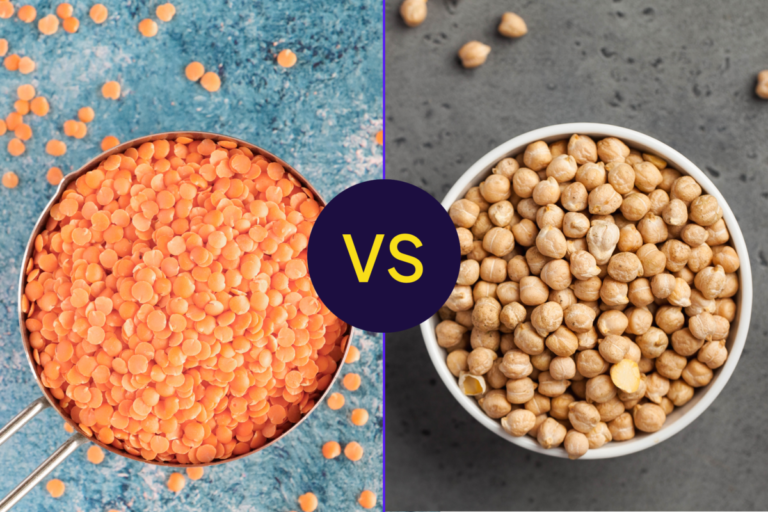
Protein-enriched pasta has recently gained tremendous popularity, especially among athletes, fitness enthusiasts, and those leading active lifestyles. These pastas are typically made from legumes such as soybeans, peas, lentils, or chickpeas. Some variations are further fortified with dairy-based proteins like whey or casein, elevating their protein content even more. Protein plays a pivotal role in muscle growth, repair, and maintenance, which becomes particularly important for older adults who often face muscle mass decline. Moreover, protein is essential for overall health, influencing immune function, hormone production, and enzymatic processes.
Beyond the heightened protein content, many protein pastas are naturally gluten-free, making them an excellent option for individuals with celiac disease or gluten sensitivity. These pastas also contain substantial amounts of dietary fiber, which slows digestion, aids in prolonged satiety, and helps regulate blood glucose levels. The synergy between protein and fiber in these pastas results in a slower absorption of glucose, rendering them beneficial for people aiming to manage blood sugar effectively and prevent sudden sugar spikes.
Whole Grain Pasta: A Heart-Healthy and Digestive Ally
Whole grain pasta is crafted from unrefined wheat grains, preserving the wheat germ, bran, and endosperm. This composition makes them notably richer in vitamins, minerals, and particularly fiber compared to refined pasta. The complex carbohydrates present in whole grain pasta provide a steady and long-lasting source of energy, promoting stable blood sugar levels. This quality supports weight management and enhances overall wellbeing.
Multiple scientific studies have demonstrated a strong association between whole grain consumption and reduced risk of cardiovascular diseases. This benefit is attributed not only to the high fiber content but also to an array of vitamins, antioxidants, and phytonutrients inherent in the whole grains. Fiber in whole grain pasta acts as a prebiotic, nourishing beneficial gut bacteria, which improves intestinal flora balance, reduces inflammation, and may lower the risk of chronic diseases. Thus, regular consumption of whole grain pasta supports heart health and promotes a resilient digestive system.
Nutritional Comparison and Caloric Insights
When it comes to nutritional value, both protein-enriched and whole grain pastas contain comparable calories and fat levels. However, the protein content can vary substantially between the two, with protein pastas often delivering almost twice as much protein per serving. For example, a 56-gram serving of protein pasta may provide around 14 grams of protein, whereas whole grain pasta typically offers about 8 grams. Carbohydrate content is generally a bit higher in whole grain pasta, but both types share similar fiber levels, approximately 6 grams per serving.
Whole grain pastas are often enriched with essential minerals like magnesium and iron, which play critical roles in energy metabolism and oxygen transport, respectively. In contrast, protein pastas may contain slightly lower levels of these minerals but compensate with their superior protein and legume-based nutrient profiles.
Choosing the Right Pasta Based on Your Health Goals
Selecting between protein and whole grain pasta ultimately hinges on your personal health objectives and dietary needs. If your priority is muscle building, increasing satiety, managing blood sugar, or adhering to a gluten-free regimen, protein-enriched pasta emerges as a strategic choice. Its high protein and fiber content support muscle recovery, sustained energy release, and digestive health.
Conversely, if your focus is to improve cardiovascular health, support digestion, and maintain a healthy weight, whole grain pasta stands out as a highly valuable option. Its rich supply of complex carbohydrates, fiber, and essential micronutrients contributes to long-term heart health, gut microbiome balance, and reduced inflammation.
In essence, both protein-enriched and whole grain pastas represent excellent alternatives to traditional refined pasta. Incorporating a variety of these pastas into a balanced diet ensures you reap diverse nutritional benefits while tailoring your meals to meet day-to-day energy demands and taste preferences.

Thomas Smith is the editor of Weekly Wellness, specializing in health, lifestyle, and personal growth content.