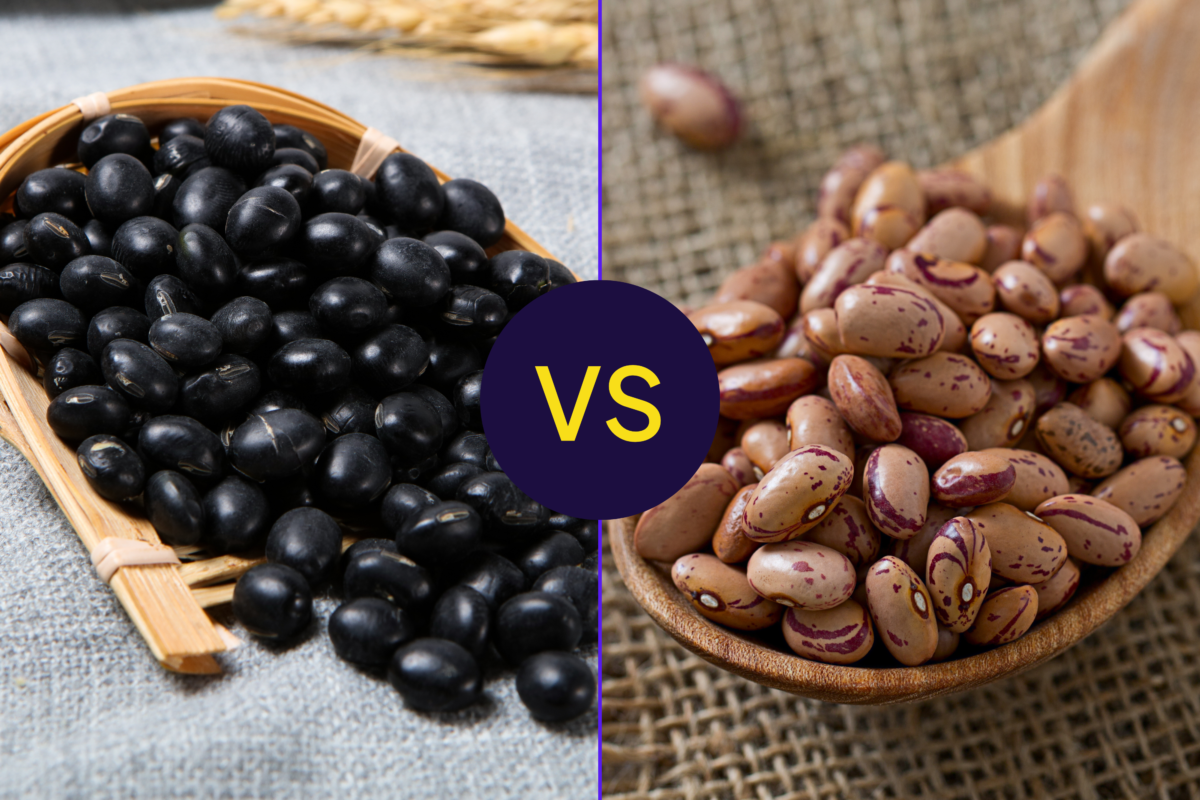
Black beans vs pinto beans: which one packs the ultimate protein and fiber punch for your diet?
Beans have been valued for centuries as a nutritious and vital food source, particularly in vegetarian and vegan diets where plant-based protein is essential. Among the diverse varieties, black beans and pinto beans stand out as two of the most popular types, often leading consumers to wonder which is the superior choice regarding protein and fiber content. While these two beans differ slightly in flavor and texture, their nutritional profiles are remarkably similar and both offer significant health benefits.
Protein and Fiber Content: A Nutritional Comparison
Both black beans and pinto beans are excellent sources of plant-based protein and dietary fiber — two key nutrients that promote overall health. Fiber plays an important role in digestive health by maintaining bowel regularity and supporting gut microbiota, while protein is essential for muscle repair, immune function, and enzymatic activities in the body. A single cup of cooked black beans contains approximately 15.2 grams of protein and 15 grams of fiber. Pinto beans provide a comparable amount, delivering around 15.4 grams of protein and 15.4 grams of fiber per cooked cup. These nearly identical numbers illustrate that either bean is a valuable addition to a balanced diet, providing sustenance and satiety.
Micronutrients and Their Role in Wellness
Beyond protein and fiber, black and pinto beans supply a range of important vitamins and minerals that bolster numerous bodily functions. Pinto beans have a slight edge in calories and provide higher amounts of certain minerals such as calcium, potassium, folate, and selenium. Folate is integral to cell division and DNA synthesis, and selenium contributes to antioxidant defense and thyroid hormone regulation. On the other hand, black beans contain a notable level of magnesium, a mineral critical for muscle and nerve function, as well as maintaining heart rhythm and bone health. These micronutrients amplify the health value of beans by supporting immunity, metabolic processes, and overall cellular health.
Health Benefits Backed by Research
Regular consumption of beans has been linked to a reduced risk of chronic illnesses, especially cardiovascular diseases. Studies indicate that beans can help lower LDL cholesterol and blood pressure levels — two major contributors to heart disease — thanks largely to their fiber and antioxidant content. Additionally, the high fiber content promotes a prolonged feeling of fullness, facilitating weight management and preventing overeating. The prebiotic fibers in beans also nourish beneficial gut bacteria, enhancing digestive health and immune function. Another key benefit is their low glycemic index, which helps maintain stable blood sugar levels, making black and pinto beans an excellent food choice for people managing diabetes or those at risk.
Incorporating Beans into Your Daily Diet
Black beans and pinto beans can easily be incorporated into a wide variety of dishes, from hearty soups and stews to fresh salads and main courses with vegetables and spices. When selecting beans, dried versions are preferred over canned for minimizing sodium intake, although low-sodium canned beans are a convenient alternative. Preparing beans at home allows greater control over added ingredients and preserves their nutritional integrity. Ultimately, choosing between black and pinto beans should come down to personal taste and cooking preferences, as both offer a powerful nutritional profile that supports a wholesome and balanced diet.
Embracing either black or pinto beans in your nutritional regimen can help you meet your protein, fiber, and micronutrient requirements while providing delicious, adaptable food options that promote long-term health.

Thomas Smith is the editor of Weekly Wellness, specializing in health, lifestyle, and personal growth content.