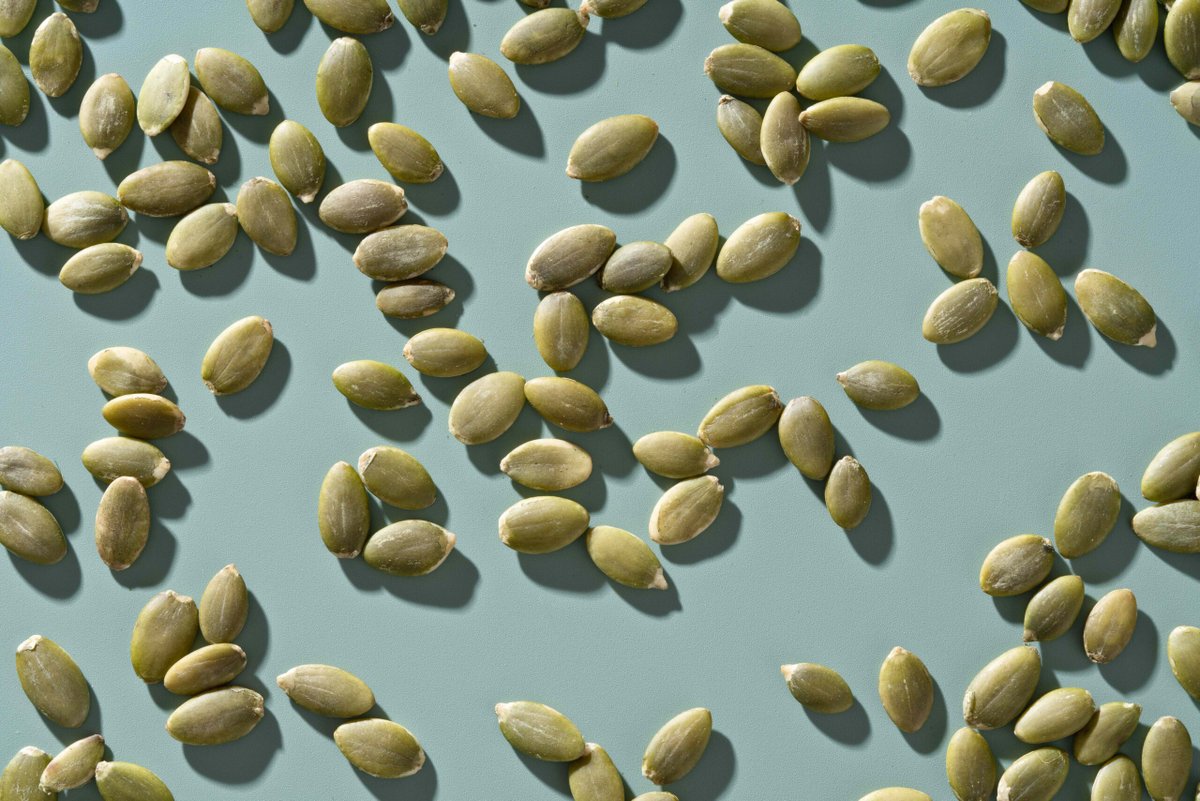
5 Surprising reasons why pumpkin seeds should be your new superfood staple
Pumpkin seeds, often overlooked as a simple snack, are in fact a nutritional powerhouse that can play a vital role in supporting overall health. Packed with plant-based proteins and a rich blend of essential nutrients, they offer a versatile dietary addition that benefits people at any stage of life. Whether roasted as a crunchy treat, sprinkled onto salads and yogurt, blended into smoothies, or incorporated into baked goods, pumpkin seeds are an accessible and delicious way to boost your nutrient intake.
Rich Source of Vital Nutrients
Beyond being a formidable source of plant-based protein—providing over 8 grams per ounce—pumpkin seeds contain a wealth of important vitamins and minerals. They offer healthy fats, dietary fiber, iron, magnesium, and zinc, all of which contribute synergistically to overall wellness. Magnesium plays a significant role in maintaining healthy bone density and ensuring proper muscle and nerve function. Additionally, it assists in regulating blood pressure and supporting cardiovascular health. Zinc acts as a powerful anti-inflammatory mineral that improves circulation and boosts immunity. The fiber in pumpkin seeds supports a balanced gut microbiome, which is crucial for efficient digestion and overall bodily function.
The Perfect Plant-Based Protein for Vegetarians and Vegans
For those embracing vegetarian or vegan lifestyles, pumpkin seeds are an invaluable protein source that complements diverse dietary needs. Their high protein content helps in muscle repair and growth, which can be challenging to achieve solely through plant foods. Moreover, the versatility of pumpkin seeds allows them to be seamlessly integrated into meals and snacks without compromising flavor or texture.
Hypoallergenic and Safe for Sensitive Diets
Unlike many common allergens such as nuts and soy, pumpkin seeds are generally considered low allergenic. This makes them ideal for individuals with allergies or sensitivities who need to supplement their diet with reliable sources of protein and nutrients. While allergic reactions to pumpkin seeds are rare, it is advisable to obtain them from trusted sources to avoid potential cross-contamination with other allergens. This safety profile extends their accessibility to a wider audience seeking nutritious, non-irritating food options.
Enhances Sleep Quality Naturally
One fascinating benefit of pumpkin seeds is their ability to promote better sleep, a cornerstone of good health. They contain tryptophan, an essential amino acid that the body converts into serotonin and melatonin—hormones intimately involved in regulating mood and sleep-wake cycles. Serotonin helps stabilize mood and relaxation, while melatonin governs the circadian rhythm, facilitating restful and uninterrupted sleep. In addition, the magnesium content relaxes muscles and reduces tension, making it easier to fall asleep and achieve deeper rest. Consuming pumpkin seeds in the evening provides a natural way to enhance sleep quality without the side effects associated with pharmaceutical sleep aids.
Supports Heart Health and Circulation
The heart-protective properties of pumpkin seeds stem largely from their mineral composition. Magnesium helps regulate blood pressure levels, an essential factor in cardiovascular disease prevention. Zinc reduces systemic inflammation that can impair blood vessels and lead to poor circulation. Furthermore, pumpkin seeds contain heart-healthy unsaturated fats, which aid in maintaining balanced cholesterol levels and reducing atherosclerosis risk. Together, these nutrients support a strong cardiovascular system, contributing to long-term heart health and overall vitality.
Incorporating Pumpkin Seeds into Your Daily Diet
The versatility of pumpkin seeds is one of their most appealing qualities. They can be easily roasted with a sprinkle of salt or spices to create a crunchy snack, or added raw to salads, yogurts, and oatmeal to enrich texture and nutritional content. Pumpkin seeds can be ground and blended into fruit or vegetable smoothies, mixed with dried fruits to make homemade granola, or used as a flavorful ingredient in baking muffins, pies, or cookies. Even soups and stews can be enhanced by sprinkling pumpkin seeds on top just before serving, preserving their delightful crunch and nutritional benefits.
In summary, pumpkin seeds are not only nutrient-dense and delicious but also highly adaptable, making them an excellent addition to any diet aimed at boosting protein intake, supporting cardiovascular health, improving digestion, and enhancing sleep quality. Including them regularly in your meals can provide tastier, healthier outcomes and contribute significantly to your overall well-being.

Thomas Smith is the editor of Weekly Wellness, specializing in health, lifestyle, and personal growth content.