Eating fruit every day: can it support healthy aging?
In today’s fast-paced world, maintaining strength and vitality as we age is a challenge many face. Recent scientific research sheds light on a surprisingly simple dietary habit that could hold the key to aging gracefully: eating one fruit daily. This isn’t just any fruit, but those rich in flavanols — naturally occurring compounds with impressive health benefits. My opinion is that embracing such easy, evidence-backed habits can revolutionize how we approach aging.
The Science Behind Flavanols and Aging
A groundbreaking study from the Marcus Institute of Aging Research in Boston, USA, reveals that increasing daily intake of flavanols by just 10 milligrams — an amount found in an average apple — can decrease the chances of developing frailty syndrome by up to 20%. Frailty syndrome is a prevalent condition among older adults, affecting 10–15% of this population, and is linked to increased risks of falls, fractures, disabilities, hospitalizations, and even mortality.
This pioneering research highlights the potent role of flavonoids, particularly quercetin, a type of flavanol abundant in apples and blackberries, in protecting against physical decline. The study’s authors even remarked, “The old saying that an apple a day keeps the doctor away might not be far from the truth.” This intriguing assertion invites us to rethink common nutritional wisdom through the lens of science.
More Than Just Strength: Reducing Chronic Disease Risks
Flavanols belong to a larger group of plant compounds called flavonoids, renowned for their antioxidant properties. Dr. Shireena Kassam, founder of Plant Based Health Online, explains, “These compounds protect cells from oxidative stress caused by free radicals,” which are destructive molecules linked to aging and various chronic illnesses.
Incorporating flavanol-rich foods into the diet not only mitigates inflammation and cellular stress but also diminishes the risk of cardiovascular diseases, type 2 diabetes, certain cancers, and dementia. These insights underscore the holistic benefits of such dietary components on long-term health, extending beyond merely preserving muscle strength.
Understanding Frailty and How Flavanols Combat It
Frailty, characterized by muscle loss, weight decline, mobility difficulties, and fatigue, often accompanies aging and seriously impacts quality of life. Dietitian Kathleena Benson sheds light on how flavanols counteract these symptoms. She notes that studies show flavonoids possess anti-allergic, anti-inflammatory, antiviral, and antioxidant effects, forming a multi-pronged defense against frailty’s onset.
Quercetin, one of the most researched flavonoids, contributes to age-related health by supporting cellular functions through its potent antioxidant activity and interactions with other nutrients. Essentially, these compounds work synergistically within the body to enhance resilience and reduce physiological decline.
The Central Role of Inflammation
Both experts agree that the key mechanism by which flavanols reduce frailty risk is by lowering inflammation. Chronic inflammation is a well-known contributor to many health conditions, including frailty. Dr. Kassam explains, “Reduced inflammation means less muscle mass loss and weight decline, better immune function, and ultimately a lower chance of frailty.”
This inflammatory link highlights the broader impact of including flavanol-rich foods in the diet, reinforcing the importance of eating a variety of colorful fruits and vegetables.
Practical Ways to Boost Flavanol Intake
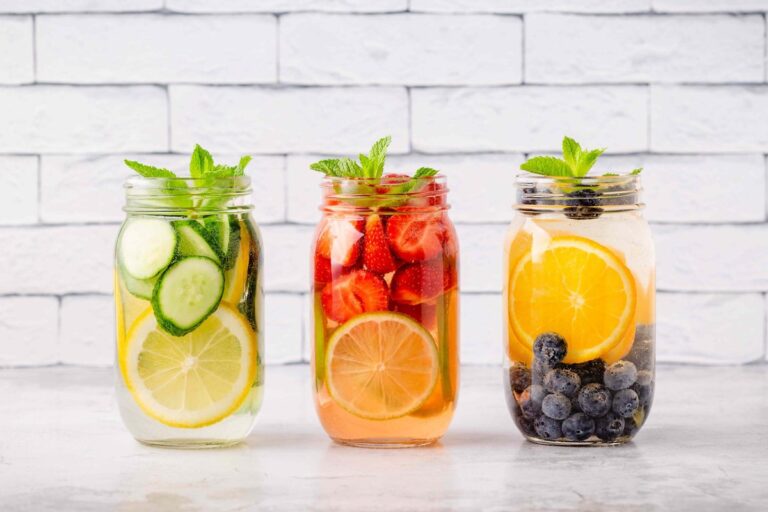
One does not need radical dietary overhauls to harness these benefits. Adding blueberries, broccoli, red onions, and leafy greens is an excellent start. For example, mixing blueberries into oatmeal or slicing an apple with nut butter creates a flavanol-rich, delicious snack. These simple additions can seamlessly integrate into daily routines.
Moreover, balance remains essential. While flavanols are beneficial, an overall diet rich in whole plant foods — fruits, vegetables, whole grains, beans, nuts, and seeds — is vital for sustained health and reducing frailty risk, as emphasized by nutrition experts.
Conclusion: A Small Habit, a Big Impact
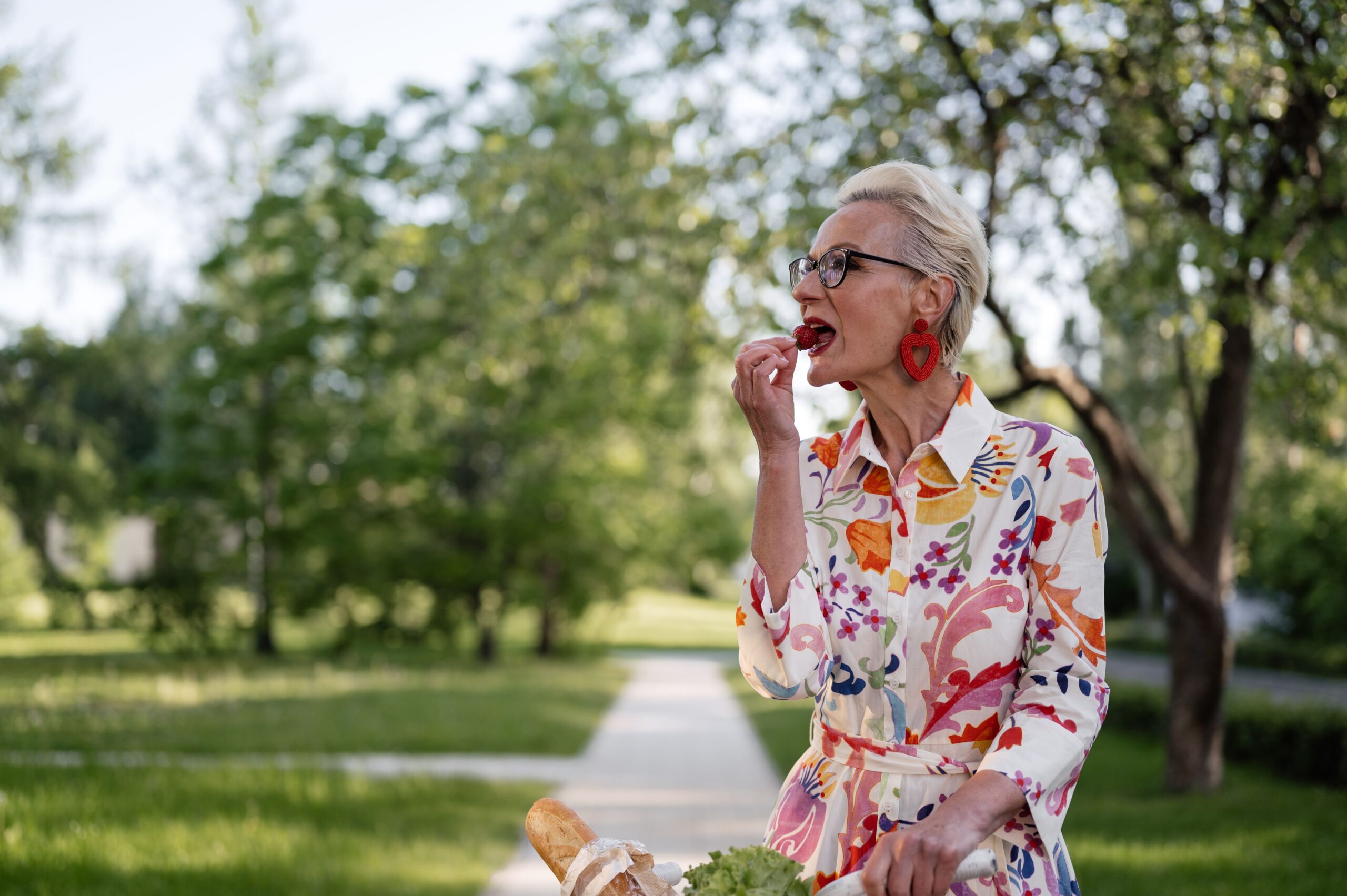
Adopting the habit of eating a flavanol-rich fruit daily offers an accessible strategy to maintain strength and vitality into older age. Beyond anecdote, solid scientific evidence supports this approach, suggesting that many who want to age well can take control simply through what they choose to place on their plates.
From my perspective, transforming our diets to prioritize these natural compounds could be a game-changer in public health, especially considering the rising aging population globally. Encouragingly, the effort required is minimal, the cost is relatively low, and the potential rewards include a healthier, more independent future. Indeed, a little apple a day may well go a long way.


Thomas Smith is the editor of Weekly Wellness, specializing in health, lifestyle, and personal growth content.