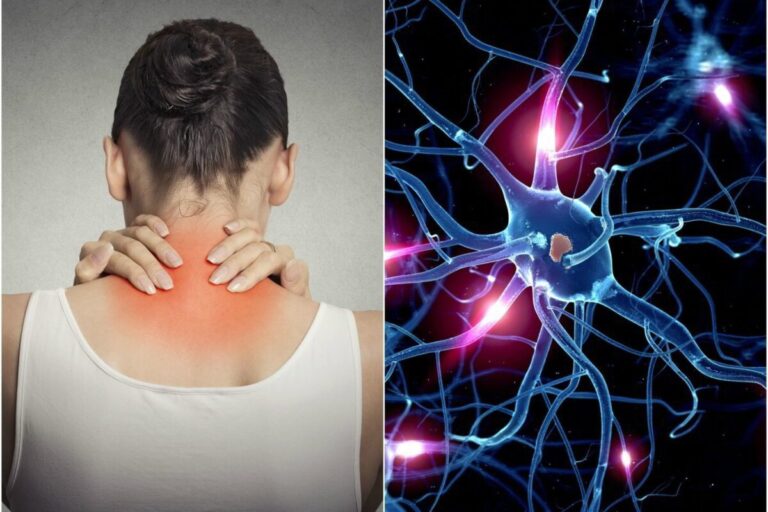
What happens to your body after just one night without sleep?
Most people have experienced it at least once: a night spent tossing and turning, working late, traveling, or simply unable to fall asleep. While it may seem like a minor inconvenience, researchers say that even a single night without sleep can trigger noticeable changes throughout the body.
From impaired concentration and mood swings to increased stress levels and weakened immune function, sleep deprivation affects far more than just energy levels the next day. Modern research suggests that the consequences begin much sooner than many people realize.
Your brain starts working less efficiently
One of the first systems to feel the effects of sleep deprivation is the brain.
Studies have shown that just one night without sleep can impair executive function, making it more difficult to plan, make decisions, solve problems and stay focused. Attention span decreases, reaction times slow down and mistakes become more common.
Researchers have also found that sleep-deprived individuals are more likely to experience lapses in attention, sometimes described as the brain briefly “zoning out” while a person is still awake.
Memory and learning suffer
Sleep plays a critical role in consolidating memories and processing information learned during the day.
When sleep is skipped, the brain becomes less efficient at retaining new information and recalling existing memories. This is one reason students, shift workers and professionals often notice reduced mental performance after an all-nighter.
Your mood can change dramatically
A lack of sleep doesn’t only affect thinking—it can also affect emotions.
Research has found that even one night of sleep deprivation can increase feelings of anxiety, irritability and emotional sensitivity. People often become less resilient to everyday stressors and more likely to react negatively to situations that would normally seem manageable.
Some studies have even reported measurable increases in symptoms associated with anxiety and low mood after just one sleepless night.
Stress hormones rise
Sleep deprivation triggers the body’s stress-response system.
Researchers have observed significant increases in cortisol, adrenaline and other stress hormones after 24 hours without sleep. Elevated stress hormones can contribute to feelings of tension, nervousness and mental fatigue.
Your immune system takes a hit
Recent research suggests that the immune system may be extremely sensitive to sleep loss.
A 2025 study found that a single 24-hour period without sleep altered immune cells in healthy individuals and increased markers associated with inflammation. Researchers noted that the immune changes resembled patterns often seen in people with obesity, a condition linked to chronic inflammation.
While one night of poor sleep is unlikely to make a healthy person seriously ill, repeated sleep deprivation may weaken the body’s ability to respond effectively to infections and disease.
Your heart and blood pressure feel the effects
Many people don’t realize that sleep is essential for cardiovascular health.
During healthy sleep, blood pressure naturally drops, giving the heart and blood vessels time to recover. When sleep is disrupted or skipped entirely, this restorative process is interrupted. Research has linked sleep deprivation to increased blood pressure, greater cardiovascular strain and a higher risk of heart disease over time.
Even short-term sleep loss can activate the sympathetic nervous system—the body’s “fight or flight” response—which places additional stress on the cardiovascular system.
You may feel hungrier
Sleep deprivation can also influence hormones that regulate appetite.
Studies have found that insufficient sleep may increase levels of hunger-promoting hormones while reducing hormones associated with fullness. This may explain why many people crave sugary, salty or high-calorie foods after a poor night’s sleep.
Accidents become more likely
One of the most immediate dangers of sleep deprivation is reduced alertness.
Fatigue slows reaction times and impairs judgment, increasing the risk of driving accidents, workplace errors and everyday injuries. Researchers consistently identify sleep deprivation as a major contributor to reduced performance in tasks that require sustained attention.
In some cases, being awake for extended periods can impair performance to a degree comparable to alcohol intoxication.
Can you recover from one sleepless night?
Fortunately, most healthy adults can recover from an isolated night of sleep loss.
Getting adequate sleep during the following nights often restores normal cognitive and physical functioning. However, experts caution that repeatedly relying on “catch-up sleep” is not an effective long-term strategy. Chronic sleep deprivation can lead to cumulative health effects that become increasingly difficult to reverse.
How much sleep do adults need?
Most sleep specialists recommend that adults aim for seven to nine hours of quality sleep per night. Consistency is also important, as maintaining a regular sleep schedule appears to support both brain and cardiovascular health.


Anthony Brown is a wellness writer at Weekly Wellness, focusing on health, fitness, and lifestyle topics. He is passionate about helping readers build sustainable habits and improve their overall well-being through practical, research-informed advice.