
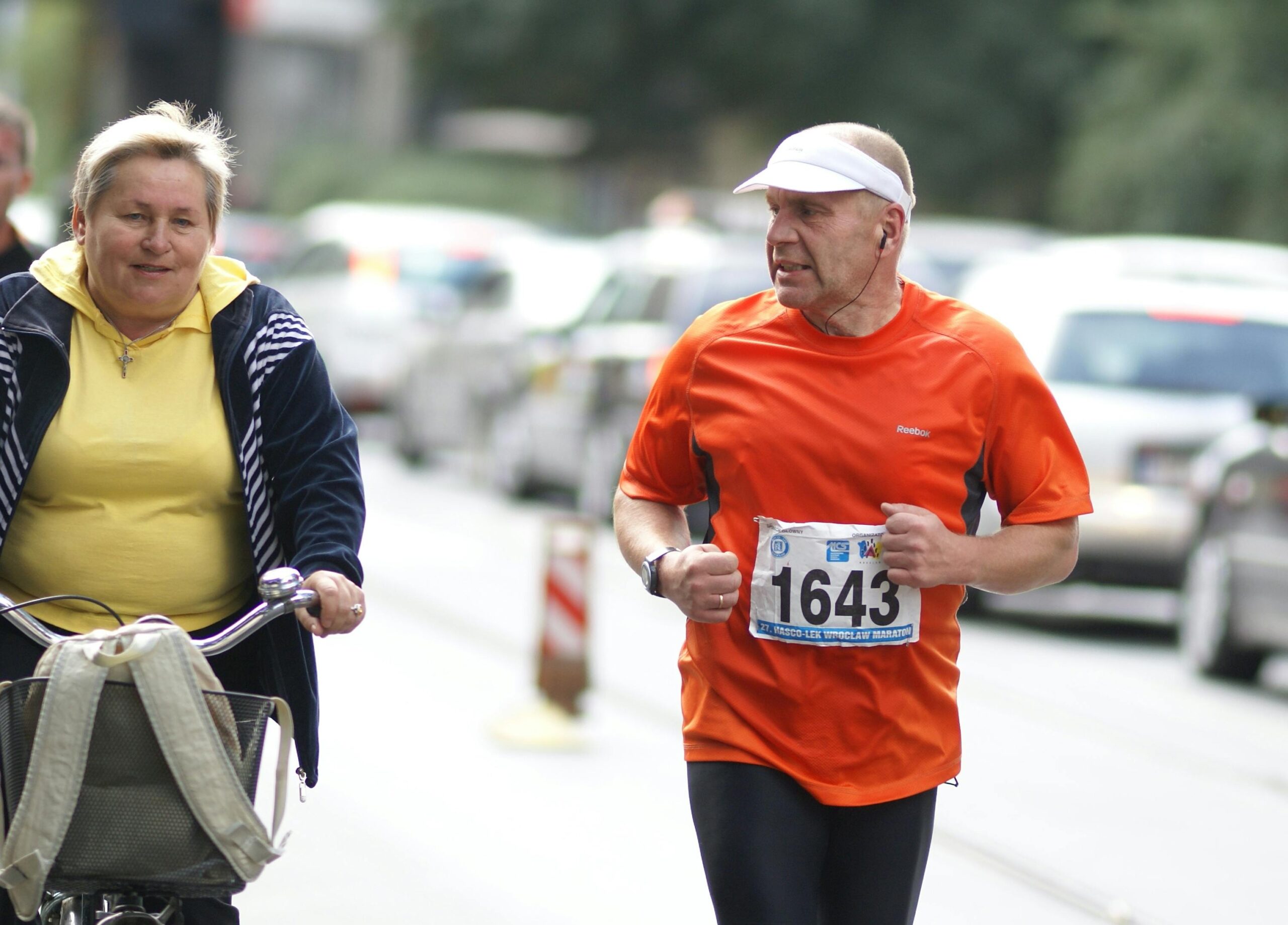
Why exercise is essential for seniors: physiotherapist explains the key to longevity
Why exercise is essential for seniors and longevity
For decades, many believed that physical activity becomes risky or unnecessary with age. Today, that myth is rapidly disappearing. Health experts now emphasize that regular movement is not only safe for older adults—it is essential for maintaining independence, preventing disease, and extending life expectancy.
According to physiotherapist Ramunė Komžienė, the key question everyone should ask themselves is simple: “Do I love myself or not? If the answer is yes, we will find time for physical activity.”
Her message reflects a growing body of scientific evidence showing that staying active is one of the most powerful tools for healthy aging.
Physical activity and longevity: what science confirms
Modern research clearly links regular movement with longer life. Staying physically active strengthens vital systems in the body and helps prevent chronic diseases.
The physiotherapist explains: “There is now plenty of research proving a direct link between physical activity and longer life expectancy.”
Exercise improves cardiovascular and respiratory function, enhances glucose metabolism, and reduces the risk of developing conditions such as type 2 diabetes.
It also supports mobility and endurance—two critical factors that determine how independently a person can live in later years.
How much exercise do seniors really need?
One of the most common misconceptions is that older adults should limit movement. In reality, global health organizations recommend quite the opposite.
The expert highlights: “The World Health Organization recommends that people aged 65 and older engage in at least 300 minutes of physical activity per week.”
This activity should include a combination of strength, balance, and flexibility exercises.
Specialists recommend incorporating strength training at least twice a week and balance or mobility exercises several times weekly to maintain coordination and prevent falls.
The triple benefit of exercise for seniors
Physical activity offers a wide range of benefits that go beyond simple fitness.
Physical health and disease prevention
Regular movement strengthens muscles, bones, and joints, helping to reduce the risk of osteoporosis and injuries. It also improves coordination and balance, which are essential for preventing falls—a major concern in older age.
Emotional well-being and mental health
Exercise is not only about the body. It also has a profound effect on mental health.
As the expert states: “Movement is beneficial not only for physical but also for emotional health and social well-being.”
Physical activity stimulates the release of dopamine, often referred to as the “happiness hormone,” helping reduce stress and improve mood.
Social connection and quality of life
Group activities, such as walking clubs or fitness classes, provide valuable social interaction. Staying socially engaged is a crucial factor in maintaining emotional health and overall life satisfaction.
It’s never too late to start exercising
One of the most encouraging insights is that age is not a barrier to becoming active.
Even those who have never exercised before can begin safely and effectively. The key is gradual progression.
The physiotherapist advises: “At first, even 10–15 minutes of slow walking per day may be enough.”
Over time, this can be increased to longer sessions as the body adapts. Starting slowly reduces the risk of injury and helps build confidence.
The right way to exercise in older age
Safety and personalization are essential when starting or maintaining a fitness routine later in life.
The expert explains: “A good level of physical intensity is when a person can talk without getting out of breath.”
This guideline ensures that exercise remains effective while avoiding excessive strain.
It is also important to train different physical abilities, including endurance, strength, flexibility, and coordination. This balanced approach supports overall functionality and helps with everyday tasks.
Strength training for seniors: breaking the myth
One of the most persistent myths is that weight training is dangerous for older adults. In reality, it is highly beneficial when done correctly.
The physiotherapist addresses this directly: “In the past, older people were told not to lift weights. Now the approach is the opposite—exercise with weights so you don’t ‘break.’”
Strength training improves bone density, increases muscle mass, and reduces the risk of osteoporosis. It also enhances stability and makes daily activities easier.
However, beginners should seek guidance from professionals to ensure proper technique and safety.
Why movement is the key to independence
A sedentary lifestyle is one of the biggest threats to healthy aging. Long periods of inactivity can lead to muscle loss, reduced mobility, and increased risk of disease.
As another expert insight highlights, modern lifestyles often involve too much sitting, which contributes to health problems linked to inactivity.
Regular movement helps maintain independence by preserving strength, coordination, and overall physical function.
Practical tips for staying active at any age
Maintaining an active lifestyle does not require intense workouts or complex routines. Simple activities such as walking, swimming, or even dancing can provide significant health benefits.
Consistency is far more important than intensity. Establishing a routine, choosing enjoyable activities, and gradually increasing effort can lead to lasting results.
Even everyday tasks—such as gardening or household chores—can contribute to overall activity levels and support physical health.
The real key to a longer, healthier life
The idea that aging should be passive is outdated. Today, experts agree that movement is one of the most powerful tools for maintaining health and extending life.
Exercise supports not only physical strength but also emotional well-being and social connection. It helps people stay independent, active, and engaged with life.
Ultimately, the message is clear: staying active is not optional—it is essential. And no matter your age, it is never too late to start.

Anthony Brown is a wellness writer at Weekly Wellness, focusing on health, fitness, and lifestyle topics. He is passionate about helping readers build sustainable habits and improve their overall well-being through practical, research-informed advice.





best!