Fenugreek seeds benefits: how this natural ingredient supports gut, skin and hormones
In the world of nutrition, it is often the smallest ingredients that create the biggest impact. One such example is fenugreek – a modest-looking seed that has been used for centuries in traditional medicine but is now gaining renewed attention for its wide-ranging effects on the body. From digestion to hormonal balance and even skin health, this natural ingredient is increasingly being explored as a powerful addition to a balanced lifestyle.
Fenugreek, scientifically known as Trigonella foenum-graecum, is a plant whose seeds are rich in fiber, plant compounds and essential nutrients. These golden-brown seeds have long been used in various cultures not only as a spice but also as a natural remedy for multiple health concerns. Modern research is beginning to support what traditional practices have suggested for generations – that fenugreek may influence several key systems in the body.
One of the most widely discussed benefits of fenugreek is its impact on gut health. The seeds are particularly high in soluble fiber, which plays an important role in supporting digestion. Fiber helps regulate bowel movements, nourish beneficial gut bacteria and promote overall digestive balance. In addition, fenugreek has been associated with soothing effects on the stomach, potentially helping to reduce discomfort such as bloating or acid reflux.
The connection between gut health and overall well-being has become a central topic in modern health discussions. A well-functioning digestive system does not only support nutrient absorption but also contributes to immune function and even mental health. By supporting the gut microbiome, fenugreek may indirectly influence multiple aspects of health, making it more than just a simple dietary addition.
Beyond digestion, fenugreek is often highlighted for its potential role in hormonal balance. Some studies suggest that it may influence hormone levels, including testosterone in men and estrogen-related activity in women. This has led to its use in supporting reproductive health, libido and even symptoms related to hormonal fluctuations.
For women, fenugreek has also been traditionally used to support lactation. Research indicates that it may help increase breast milk production, making it a popular natural option for new mothers seeking additional support.
At the same time, its influence on metabolic processes cannot be ignored. Fenugreek has been linked to improved blood sugar control and insulin sensitivity, which are crucial for maintaining stable energy levels and reducing the risk of metabolic disorders. Some findings suggest that regular consumption may help lower blood glucose levels and improve long-term markers of blood sugar regulation.
Skin health is another area where fenugreek is gaining attention. Its antioxidant and anti-inflammatory properties may help protect the skin from environmental damage and support a clearer complexion. While more research is needed, traditional uses and early studies suggest that fenugreek could play a supportive role in maintaining healthy skin and reducing inflammation.
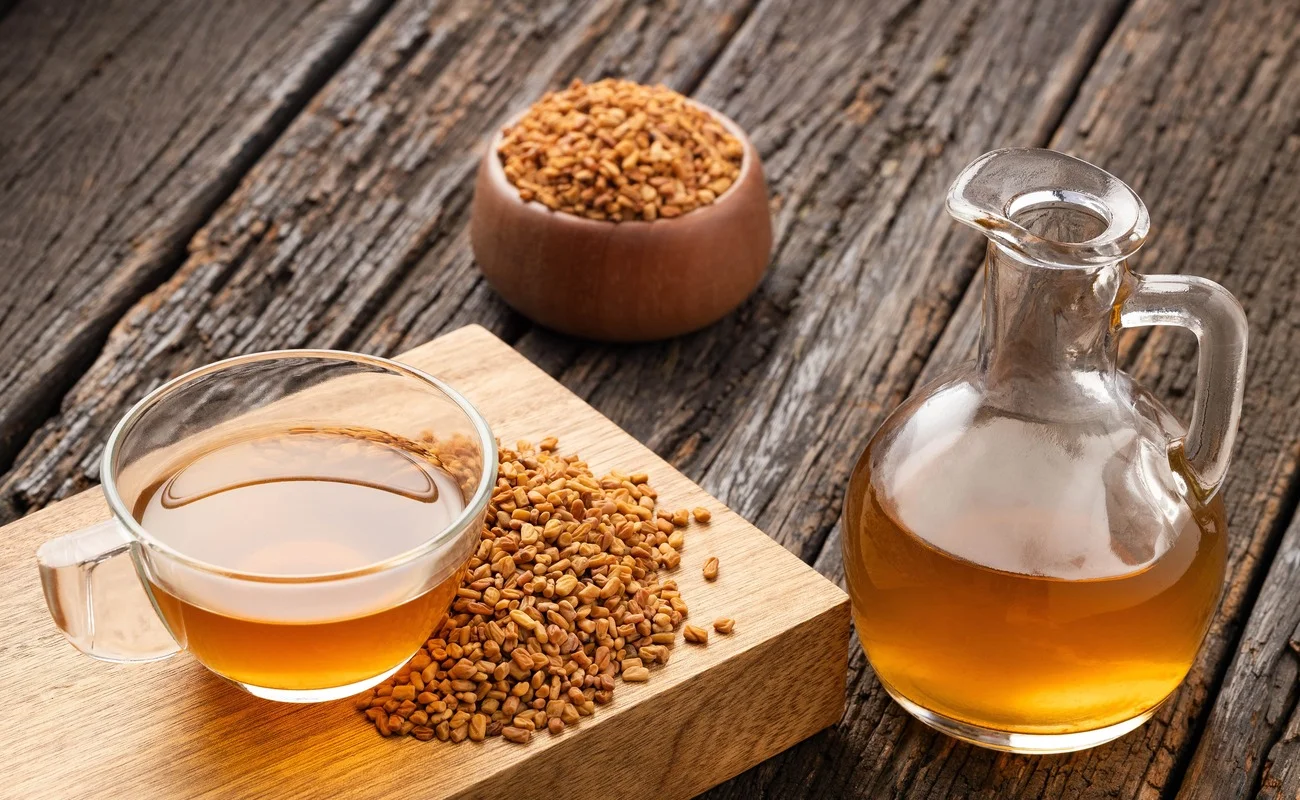
What makes fenugreek particularly interesting is its versatility. It can be consumed in several forms – soaked seeds, powder, herbal tea or as part of various dishes. This flexibility makes it easy to incorporate into everyday routines without drastic dietary changes.
However, despite its promising benefits, it is important to approach fenugreek with balance and awareness. Like many natural compounds, it is not a miracle solution. Excessive intake may lead to side effects such as digestive discomfort or low blood sugar levels, especially in sensitive individuals. It may also interact with certain medications or hormonal conditions, which is why consulting a healthcare professional is recommended before using it regularly as a supplement.
Ultimately, fenugreek represents a growing trend in modern health – a return to simple, natural ingredients that support the body in multiple ways. While it should not replace a balanced diet or medical treatment, it can be a valuable addition to a healthy lifestyle.
As interest in holistic wellness continues to rise, small but powerful foods like fenugreek remind us that meaningful changes do not always require complex solutions. Sometimes, improving well-being can begin with something as simple as a handful of seeds.

Anthony Brown is a wellness writer at Weekly Wellness, focusing on health, fitness, and lifestyle topics. He is passionate about helping readers build sustainable habits and improve their overall well-being through practical, research-informed advice.