
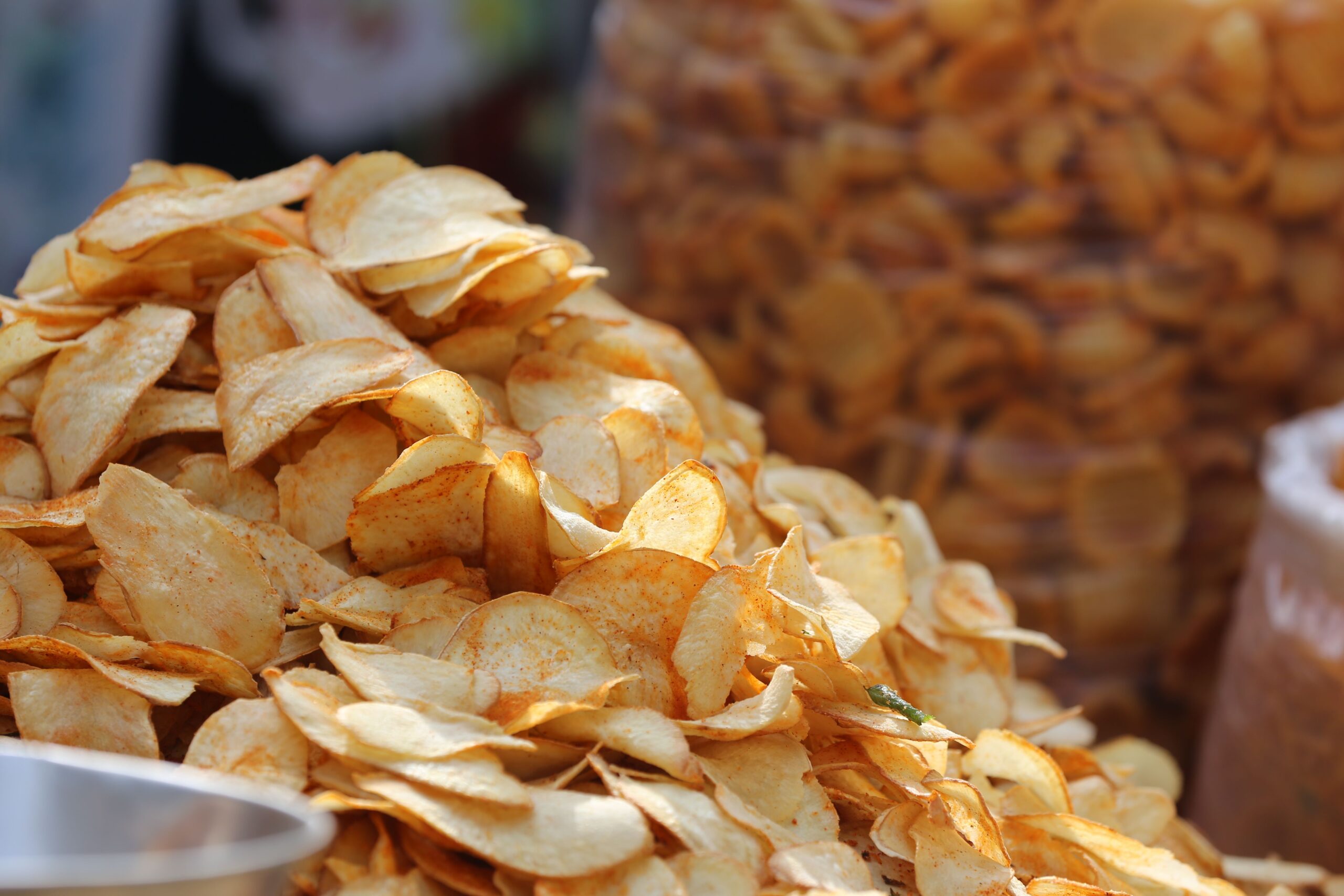
What are potato chips really made of?
Potato chips are among the most popular snack foods in the world. Most consumers assume they are made from just a few simple ingredients: potatoes, vegetable oil and salt. While that is true for some products, many flavored chips contain a much longer list of additives that often go unnoticed.
Food experts say that understanding what is actually inside a bag of chips can help consumers make more informed choices about their diet.
More than just potatoes and salt
Traditional potato chips begin with thinly sliced potatoes that are fried or baked until crispy. After cooking, manufacturers typically add salt and various seasonings to create different flavors.
However, flavored varieties often contain additional ingredients designed to enhance taste, texture and shelf life. These may include flavoring blends, powdered dairy products, sugars, starches and preservatives.
The role of flavor enhancers
One of the less-discussed ingredients found in many flavored chips is monosodium glutamate, commonly known as MSG. This flavor enhancer is used to intensify savory tastes and create the rich, satisfying flavor associated with snacks such as cheese, bacon, sour cream and onion varieties.
Manufacturers may also use yeast extracts and other compounds that serve a similar purpose by boosting the overall flavor profile of the product.
Why chips taste so addictive
Food scientists have long known that the combination of fat, salt and flavor enhancers creates a highly appealing sensory experience. This balance stimulates taste receptors and often encourages people to keep eating beyond their original intention.
The crisp texture also plays an important role. Research has shown that crunchiness can increase consumers’ perception of freshness and enjoyment, making chips particularly satisfying as a snack.
Oil content is often higher than expected
Many consumers focus on calories while overlooking the amount of oil used during production. A relatively small bag of chips can contain several teaspoons of oil because the slices absorb fat during the cooking process.
The type of oil used varies by manufacturer and may include sunflower, rapeseed, corn or other vegetable oils. Some premium products use alternative oils such as olive or avocado oil, although these remain less common.
Processed flavors can be complex
The ingredient list on flavored chips can sometimes include dozens of components. Cheese-flavored products may contain milk powders, whey, flavor compounds and coloring agents. Barbecue varieties often combine sugars, spices, smoke flavorings and acidity regulators.
Although these ingredients are generally approved for food use, nutrition specialists recommend paying attention to the overall degree of processing rather than focusing on a single additive.
What about acrylamide?
One topic that continues to attract scientific attention is acrylamide, a substance that can form when starchy foods such as potatoes are cooked at high temperatures. Food manufacturers have introduced various production methods to reduce its formation, and food safety authorities continue to monitor levels in commercially produced snacks.
Are all potato chips unhealthy?
Not necessarily. Nutrition experts emphasize that no single food determines a person’s health. Occasional consumption of chips as part of a balanced diet is unlikely to cause harm for most people.
The concern arises when highly processed snack foods become a regular source of calories, sodium and saturated fats. Frequent consumption may contribute to weight gain and increase the risk of certain chronic health conditions over time.

Anthony Brown is a wellness writer at Weekly Wellness, focusing on health, fitness, and lifestyle topics. He is passionate about helping readers build sustainable habits and improve their overall well-being through practical, research-informed advice.