Could daily avocado and mango intake be the natural key to lowering blood pressure?
Recent research offers promising insights into heart health, revealing that eating an avocado and a cup of mango daily could significantly improve blood vessel function and help manage blood pressure levels, particularly in individuals with prediabetes. This simple dietary addition may be a powerful tool to promote cardiovascular well-being within just eight weeks.
A study conducted by researchers at the Illinois Institute of Technology focused on adults with prediabetes, a condition that significantly increases the risk of developing type 2 diabetes and related cardiovascular problems. Participants who consumed one avocado plus one cup of mango every day showed marked improvements in flow-mediated dilation (FMD), a key indicator of blood vessel health. Their FMD increased to 6.7%, compared to a decline to 4.6% in a control group, demonstrating enhanced vascular function.
Additionally, the study found notable reductions in diastolic blood pressure among men who followed the avocado-mango diet. While the control group experienced an average increase in central blood pressure by 5 mmHg, men in the intervention group saw a decrease of approximately 1.9 mmHg. Importantly, these cardiovascular benefits were achieved without any significant changes in calorie intake or body weight, suggesting that the nutrient composition of these fruits plays a critical role.
Why Avocado and Mango?
The synergy of avocado and mango creates a nutrient-rich combination that supports heart health from multiple angles. Avocados are renowned for their high content of monounsaturated fats, which are considered heart-healthy fats that can improve cholesterol levels and reduce cardiovascular risk. They also provide dietary fiber and potassium, both essential for maintaining healthy blood pressure and cholesterol management.
Mangoes contribute valuable antioxidants such as vitamin C, which supports the integrity and function of blood vessels. The fruit also offers significant fiber and potassium, nutrients linked to improved blood sugar control and regulation of blood pressure. Together, these fruits deliver a complementary nutrient profile that enhances vascular health and cardiometabolic function.
Expert Perspectives and Dietary Context
Registered dietitian nutritionist Karen E. Todd emphasizes that while the findings are encouraging, avocado and mango are not miracle cures but rather components of a broader heart-healthy diet. Replacing processed and lower-quality foods with nutrient-dense options like these fruits can produce outstanding improvements in cardiovascular markers over time.
Dr. Brett A. Sealove, a cardiology expert not involved in the study, highlights the need for cautious interpretation due to the study’s relatively small sample size and short duration. He notes that vascular remodeling typically unfolds over longer periods and that further research is needed to confirm these preliminary findings on a larger scale and to better understand gender-specific effects.
Practical Tips for Incorporating Avocado and Mango
Given that avocados are calorie-dense and mangoes contain natural sugars, moderation is essential. Most individuals may benefit from consuming about one-third to one-half of an avocado alongside half to one cup of mango several times per week. This balance helps maximize heart health benefits while managing overall calorie and sugar intake.
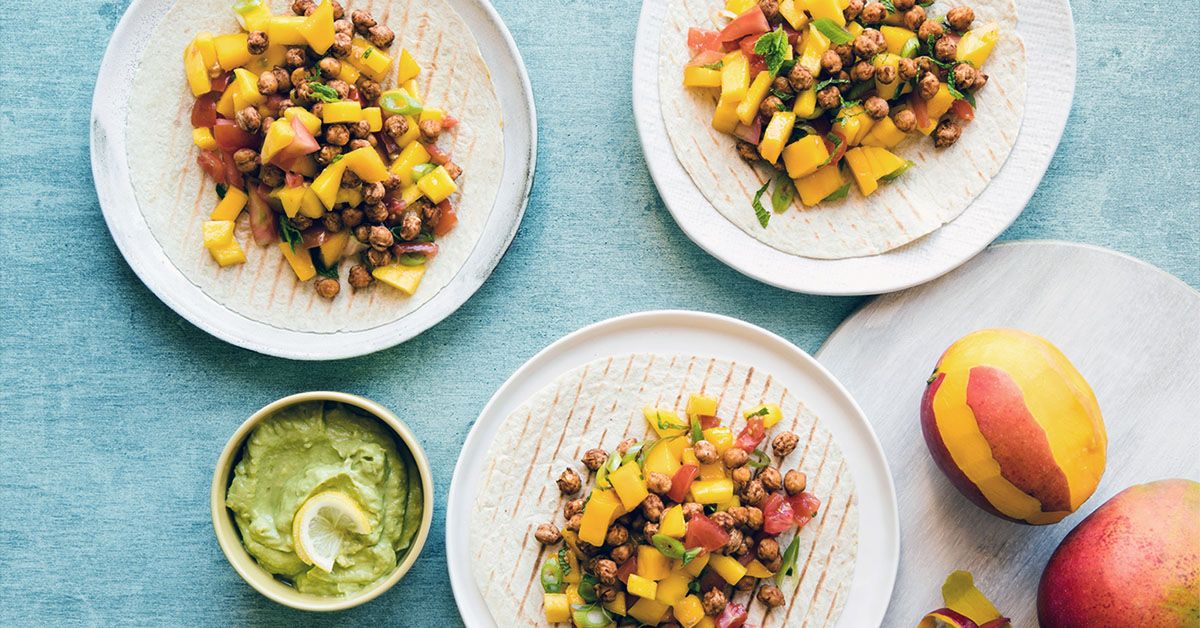
There are straightforward and delicious ways to enjoy this fruit duo. They can be combined into refreshing salads with leafy greens and legumes, blended into smoothies with greens and protein, or served as toppings on wholegrain toast or fish like salmon. Such combinations support a balanced, nutrient-rich eating pattern known to reduce heart disease risk.
In summary, regularly eating avocado and mango can be a simple yet effective strategy to enhance cardiovascular health, especially for people with prediabetes. Nonetheless, these foods work best as part of an overall balanced diet rich in whole, minimally processed foods, reinforcing the crucial role of diet quality in maintaining healthy blood pressure and vascular function.

Thomas Smith is the editor of Weekly Wellness, specializing in health, lifestyle, and personal growth content.