Why do your hands and fingers swell while walking or running? 4 crucial causes you must know
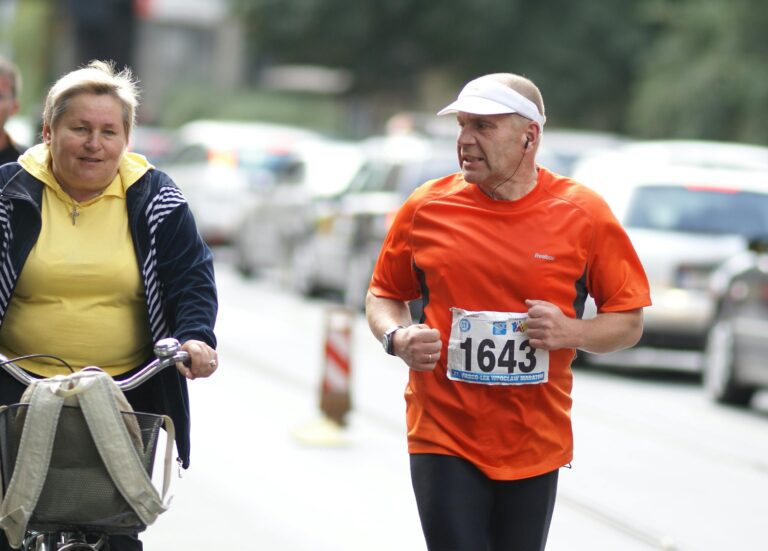
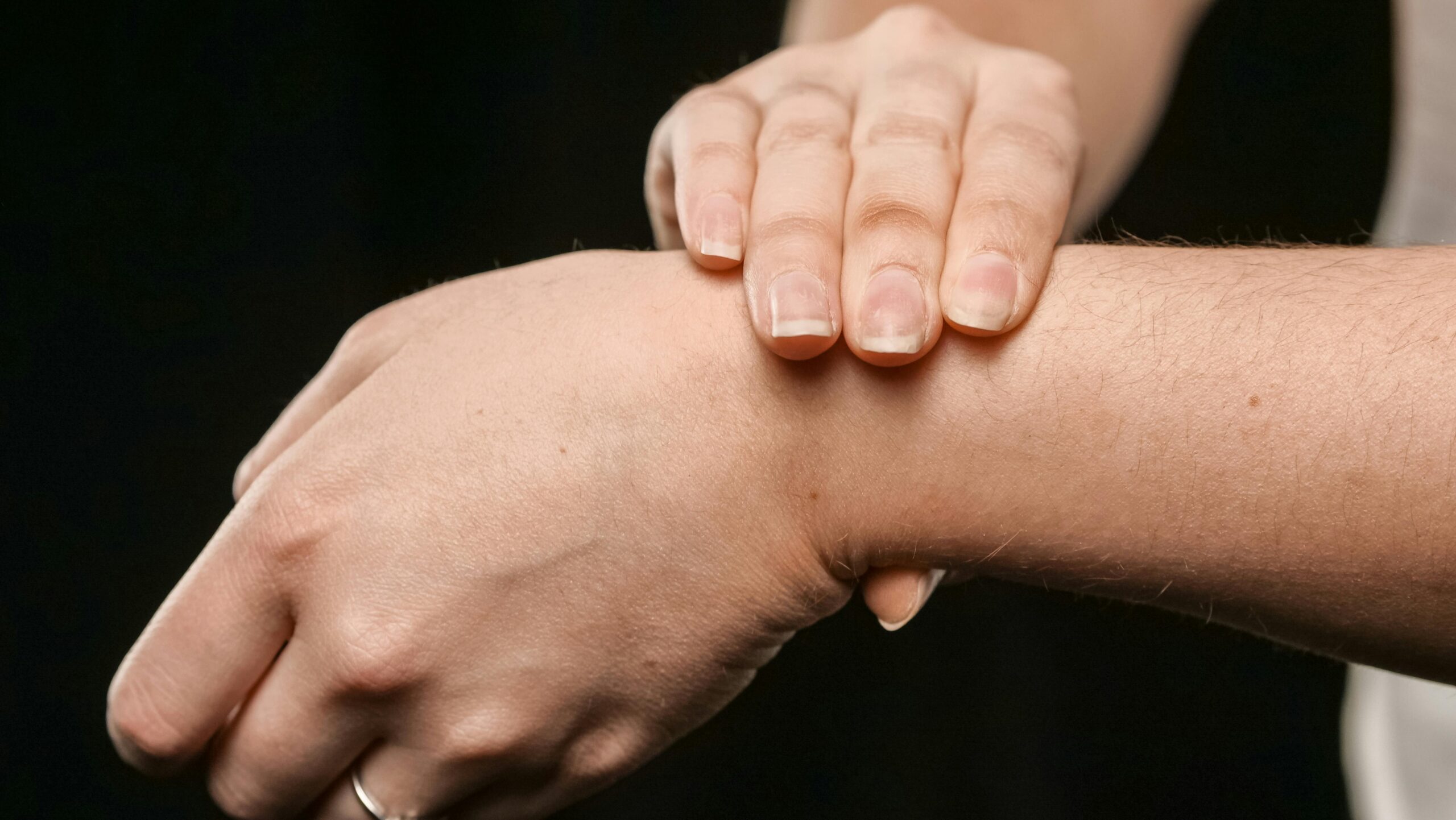
Many people notice swelling in their hands and fingers during or after physical activities such as walking or running. While this symptom can be alarming, in most cases it is a natural bodily response to exertion. Understanding the underlying causes can help individuals manage and reduce discomfort effectively. This article explores four significant reasons behind swelling in hands and fingers during physical activity and offers practical advice on how to alleviate these symptoms.
1. The Role of Arm Movement During Physical Exercise
One of the primary explanations for swelling in the upper extremities during exercise relates to the natural motion of the arms while walking or running. The swinging and rotation of the arms create a centrifugal force that pushes fluids toward the hands and fingers. Scientific studies have suggested that this outward force causes fluid accumulation in the extremities, leading to visible swelling. Importantly, this swelling often subsides once the physical activity stops, as the blood vessels gradually redistribute the accumulated fluids. Although this theory requires further research, it provides a plausible explanation for why swelling decreases with rest.
2. Changes in Fluid Balance Within the Body
Physical activity, especially in warm conditions, stimulates the body’s heat production. To maintain an optimal core temperature, the body triggers increased blood flow and sweating. However, not everyone’s body can efficiently regulate temperature through sweating, sometimes leading to internal fluid retention. This can manifest as swelling in the hands and fingers. Furthermore, dehydration paradoxically causes the body to retain water, which exacerbates swelling. Maintaining adequate hydration with balanced electrolytes is essential to supporting the body’s fluid homeostasis during exercise.
3. Hyponatremia: A Potentially Dangerous Electrolyte Imbalance
A less common but critical cause of swelling in the extremities during endurance sports is hyponatremia, characterized by abnormally low sodium levels in the blood. This condition frequently arises in ultramarathon runners or triathletes who consume excessive amounts of water or electrolyte-poor fluids before or during prolonged exertion. Sodium deficiency causes excess fluids to move from blood vessels into surrounding tissues, resulting in swelling not only in hands and fingers but potentially throughout the body. Hyponatremia also presents with symptoms such as confusion, headaches, muscle cramps, nausea, and irritability. Because it poses serious health risks, immediate medical attention is necessary if hyponatremia is suspected.
4. Metabolic and Circulatory Adjustments During Exercise
During physical exertion, the body undergoes complex metabolic processes to meet increased energy demands. Blood is preferentially directed toward vital organs such as the heart, lungs, and active muscles, which results in a temporary reduction in blood flow to less critical areas like the hands and fingers. To compensate, blood vessels in these peripheral regions dilate (vasodilation), which can cause fluid to accumulate and manifest as swelling. This physiological adaptation ensures optimal systemic function during activity but may cause noticeable swelling in the extremities.
Practical Tips to Reduce Swelling After Walking or Running
Although exact clinical treatments for exercise-induced swelling in the hands are not extensively established, certain strategies can mitigate discomfort. Staying well-hydrated with electrolyte-rich fluids, such as sports drinks, helps restore fluid and mineral balance. Additionally, gentle exercises for the hands and shoulders enhance circulation; for example, shoulder rolls, wrist rotations, and finger stretches can be beneficial. It is also advisable to avoid wearing tight accessories like bracelets, rings, or watches during exercise, as these can restrict fluid movement. Some individuals find relief through compression gloves that promote fluid redistribution.
When to Seek Medical Advice
Typically, swelling after walking or running is harmless and resolves without intervention. However, if swelling is accompanied by alarming symptoms such as dizziness, nausea, vomiting, severe headaches, or confusion, one should promptly consult a healthcare professional. These may be signs of severe electrolyte imbalance or other serious medical conditions requiring urgent care.
In summary, swelling of the hands and fingers during walking or running usually reflects normal physiological responses to exercise and shifts in body fluid distribution. Understanding the possible causes and implementing preventative measures can help reduce discomfort and allow for safer physical activity.

Thomas Smith is the editor of Weekly Wellness, specializing in health, lifestyle, and personal growth content.