
The one daily habit that could add years to your life, according to experts
Longevity, defined as living beyond the average life expectancy, is a topic that intrigues many around the world. While genetics play a role in determining lifespan, extensive research shows that our daily habits and lifestyle choices contribute significantly more. In fact, genes account for only about 25% of the factors influencing longevity, leaving a substantial 75% dependent on how we live our lives. This reveals a powerful message: the power to extend our lives largely lies within our hands.
The Most Crucial Daily Habit for Longevity
Experts unanimously agree that engaging in regular physical activity is the single most effective daily habit for naturally extending life expectancy. Studies have demonstrated that daily exercise can prolong life by 2 to 4 years, and even more when combined with other healthy practices.
Physical activity enhances cardiovascular health by strengthening the heart and improving blood circulation, thereby supplying organs and tissues with oxygen-rich blood and essential nutrients. Moreover, regular exercise helps reduce chronic inflammation — a known contributor to conditions like diabetes, arthritis, and neurodegenerative diseases such as Alzheimer’s. This anti-inflammatory effect greatly benefits overall health and longevity.
In addition, exercise boosts metabolism, regulates blood sugar levels, and helps maintain a healthy body weight. It also stimulates brain function by releasing brain-derived neurotrophic factor (BDNF), a protein that supports neuronal growth and regeneration. This process improves memory, learning abilities, and slows down cognitive decline associated with aging.
Another vital benefit of physical activity is its role in stress management. Regular movement lowers levels of the stress hormone cortisol while increasing endorphins — hormones that promote a sense of well-being and happiness. Since chronic stress accelerates aging and raises the risk of chronic disease, exercise provides both physical and emotional protection, helping people live longer and better lives.
How to Integrate Physical Activity Into Daily Life
It is never too late to start moving, regardless of one’s age or fitness level. Health guidelines recommend at least 150 minutes of moderate-intensity exercise or 75 minutes of vigorous activity each week, alongside muscle-strengthening exercises at least twice weekly.
For many, beginning with achievable goals like dedicating 30 minutes daily to walking, yoga, or gentle stretching is an excellent approach. Varying activities to include aerobic workouts, strength training, and flexibility routines can maintain motivation and enjoyment. Moreover, engaging in preferred activities such as dancing, gardening, or team sports transforms exercise from a chore into a pleasurable habit.
Other Essential Factors for Longevity
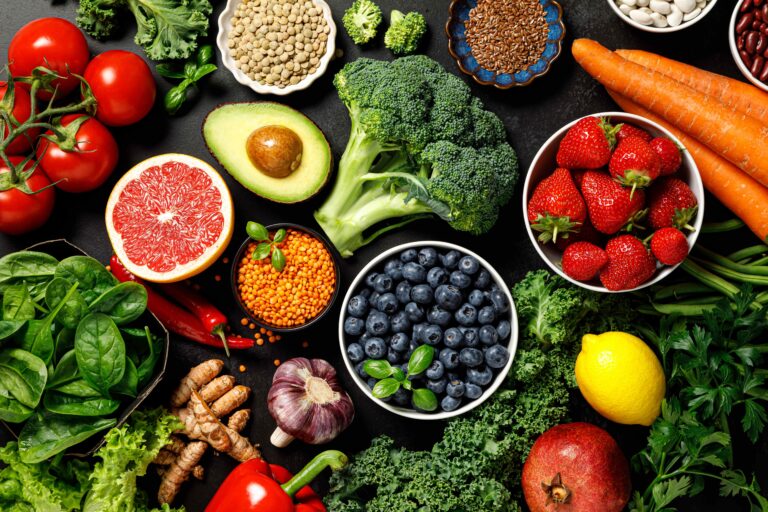
Besides physical activity, maintaining a balanced and nutritious diet is equally crucial. Incorporating fresh fruits, vegetables, whole grains, lean proteins, and healthy fats reduces the risk of chronic diseases and strengthens the body’s resilience. The Mediterranean diet, rich in plant-based foods and healthy fats, is especially praised for being linked to increased lifespan — studies show that adherents live on average nearly a decade longer than those who do not follow this eating pattern.
Quality sleep is another cornerstone of healthy aging. During sleep, the body undergoes vital repair processes, memory consolidation improves, and risks of cardiovascular disease, obesity, and cognitive decline decrease. Adults are encouraged to aim for 7 to 9 hours of sleep per night with habits that promote restful sleep, such as consistent sleep schedules, limiting screen time before bedtime, creating a comfortable sleeping environment, and managing stress.
Social connections also profoundly impact longevity. Strong relationships with family and friends reduce the risk of chronic illnesses, improve mood, and lower stress levels. Research indicates that individuals with robust social ties have up to a 50% reduced risk of premature death compared to those who are isolated.
Lastly, avoiding harmful habits like smoking, sedentary lifestyles, excessive alcohol consumption, and poor diets is essential for maximizing lifespan and healthspan. These detrimental behaviors significantly shorten life expectancy and deteriorate overall health.
In conclusion, longevity hinges not merely on genetic luck but largely on our choices every day. Embracing regular physical activity, nutritious eating, sufficient sleep, and nurturing social relationships form the foundation for living not only longer but healthier, more fulfilling lives.

Thomas Smith is the editor of Weekly Wellness, specializing in health, lifestyle, and personal growth content.