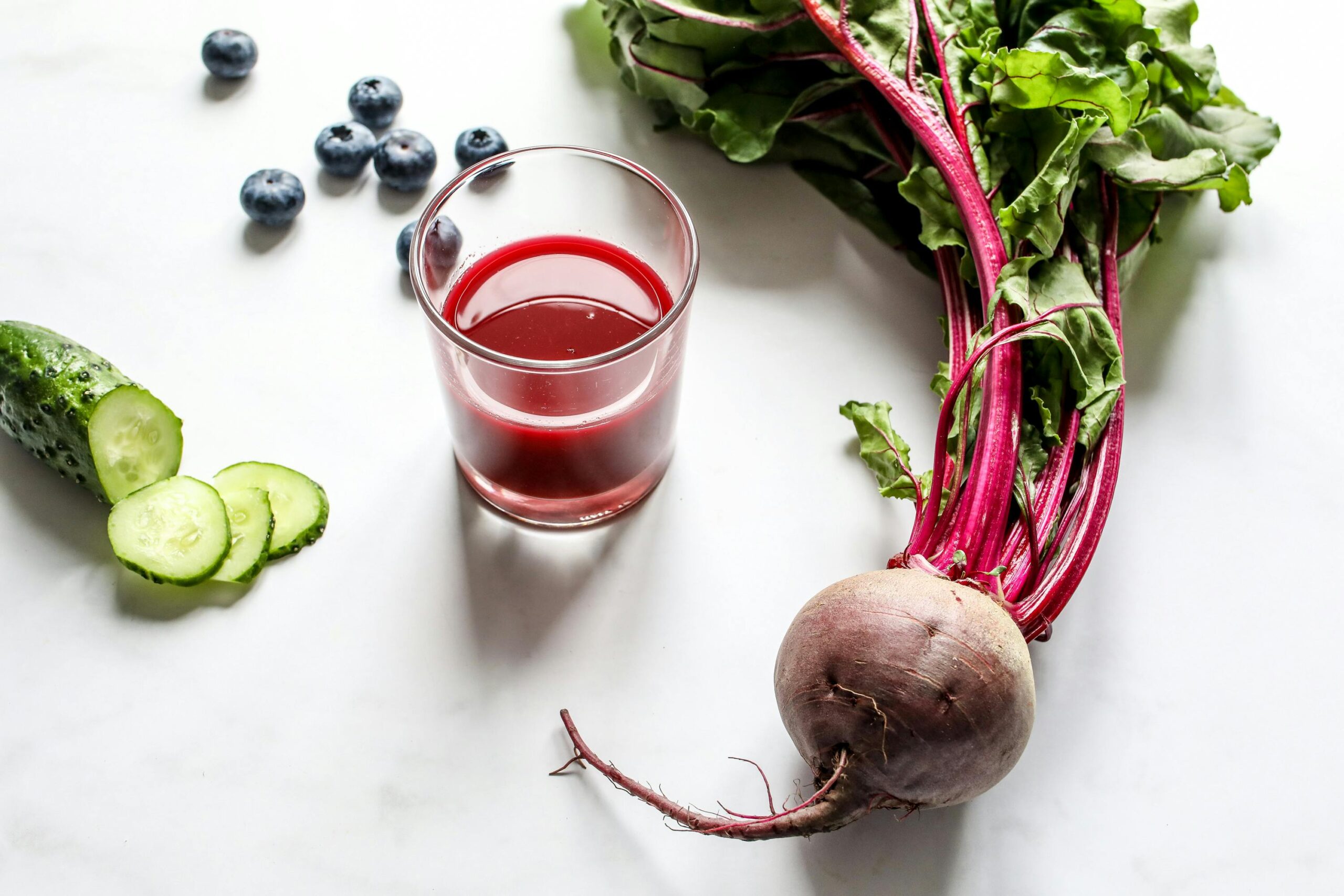
Beetroot juice for liver health: benefits, myths, and what science says
Beetroot juice for liver health: surprising effects explained
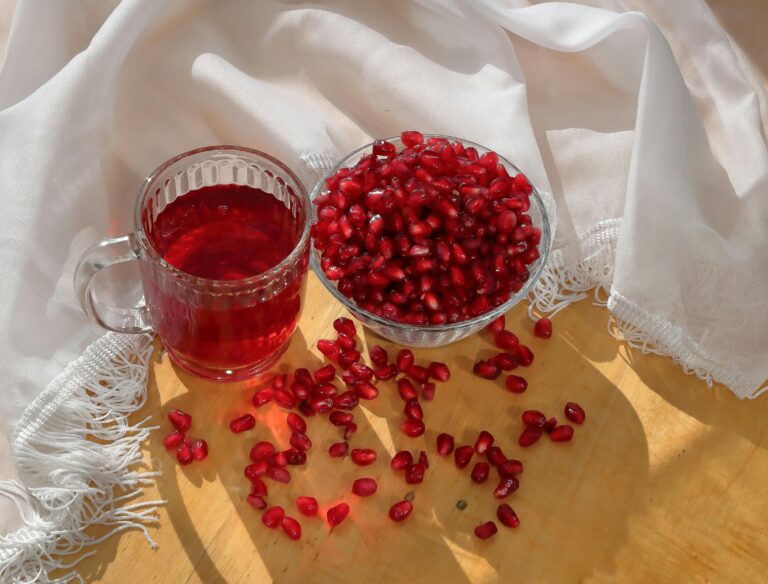
Beetroot juice is often praised as a powerful “liver detox” drink. Social media and wellness trends frequently present it as a quick solution to cleanse the body and restore health. But how much of this is actually true?
Science offers a more balanced perspective. While beetroot juice does not magically detox your liver, it may still play a meaningful role in supporting how this vital organ functions.
The liver doesn’t need “detoxing” — but it needs support
Before diving into beetroot juice, it’s important to understand one key fact: your liver already detoxifies your body on its own.
This organ constantly filters harmful substances, processes nutrients, and removes waste. No drink can replace or “reset” this system. However, certain nutrients can help the liver work more efficiently — and this is where beetroot juice becomes interesting.
Experts emphasize that so-called detox drinks don’t cleanse the liver directly, but some foods may support its natural processes .
Why beetroot juice gets so much attention
Beetroot is rich in bioactive compounds such as betalains, betaine, and nitrates. These substances are known for their antioxidant and anti-inflammatory properties.
Antioxidants are especially important because they help protect liver cells from oxidative stress — one of the main factors behind liver damage and chronic disease .
Betaine, another compound found in beets, plays a role in fat metabolism. It may help reduce fat accumulation in the liver, which is particularly relevant for conditions like fatty liver disease .
What research says about beetroot juice and the liver
Recent studies provide promising — though still limited — evidence.
A clinical trial found that people who consumed beetroot juice experienced improvements in liver health markers. This included reductions in liver enzymes, cholesterol, and fat accumulation in the liver .
Other research suggests that beetroot supplementation may have hepatoprotective effects, meaning it can help protect liver cells from damage caused by toxins or inflammation .
There is also evidence that beetroot compounds may reduce oxidative damage and support the liver’s detoxification enzymes, helping the body process harmful substances more effectively .
Can beetroot juice help with fatty liver?
One of the most studied areas is non-alcoholic fatty liver disease (NAFLD), a condition linked to diet and lifestyle.
Some findings show that regular consumption of beetroot juice may reduce liver fat and improve lipid profiles, including lowering “bad” cholesterol and increasing “good” cholesterol .
However, it’s important to note that these effects are usually seen alongside other healthy habits, such as improved diet or weight loss.
In fact, experts stress that lifestyle changes — not a single drink — remain the most effective treatment for fatty liver .
The real benefit: supporting, not replacing
So where does that leave beetroot juice?
Instead of acting as a miracle detox, it works more like a supportive tool. Its nutrients may:
Help protect liver cells from damage
Support fat metabolism
Improve certain blood markers related to liver function
Reduce inflammation and oxidative stress
In simple terms, beetroot juice may strengthen the liver — not cleanse it.
When beetroot juice might not be ideal
Despite its benefits, beetroot juice is not suitable for everyone.
Drinking excessive amounts may increase oxalate intake, which can raise the risk of kidney stones in some individuals. Experts also warn that relying on juice-based “detoxes” instead of a balanced diet can be misleading and potentially harmful .
Additionally, beetroot juice often contains natural sugars, so moderation is key.
How to use beetroot juice wisely
If you want to include beetroot juice in your routine, the best approach is simple and balanced.
Fresh juice without added sugar is the healthiest option. Combining it with other ingredients like carrots, apples, or lemon can improve both taste and nutritional value.
Consistency matters more than quantity. Small, regular amounts as part of a healthy diet are more beneficial than occasional large doses.
The bigger picture: lifestyle still comes first
No single food or drink can protect your liver on its own.
Experts consistently highlight that the most effective way to support liver health includes:
A balanced diet rich in vegetables and fiber
Regular physical activity
Adequate hydration
Limiting alcohol and processed foods
Beetroot juice can be a helpful addition — but it should never replace these foundations.
Final thoughts
Beetroot juice is not a miracle liver cleanser, despite popular claims. However, science suggests it does offer real benefits.
Its antioxidants and bioactive compounds may support liver function, reduce inflammation, and improve certain health markers. Over time, these effects can contribute to better overall well-being.
The key is understanding the difference between hype and reality. Beetroot juice doesn’t detox your liver — but it may help it do its job better.

Anthony Brown is a wellness writer at Weekly Wellness, focusing on health, fitness, and lifestyle topics. He is passionate about helping readers build sustainable habits and improve their overall well-being through practical, research-informed advice.