
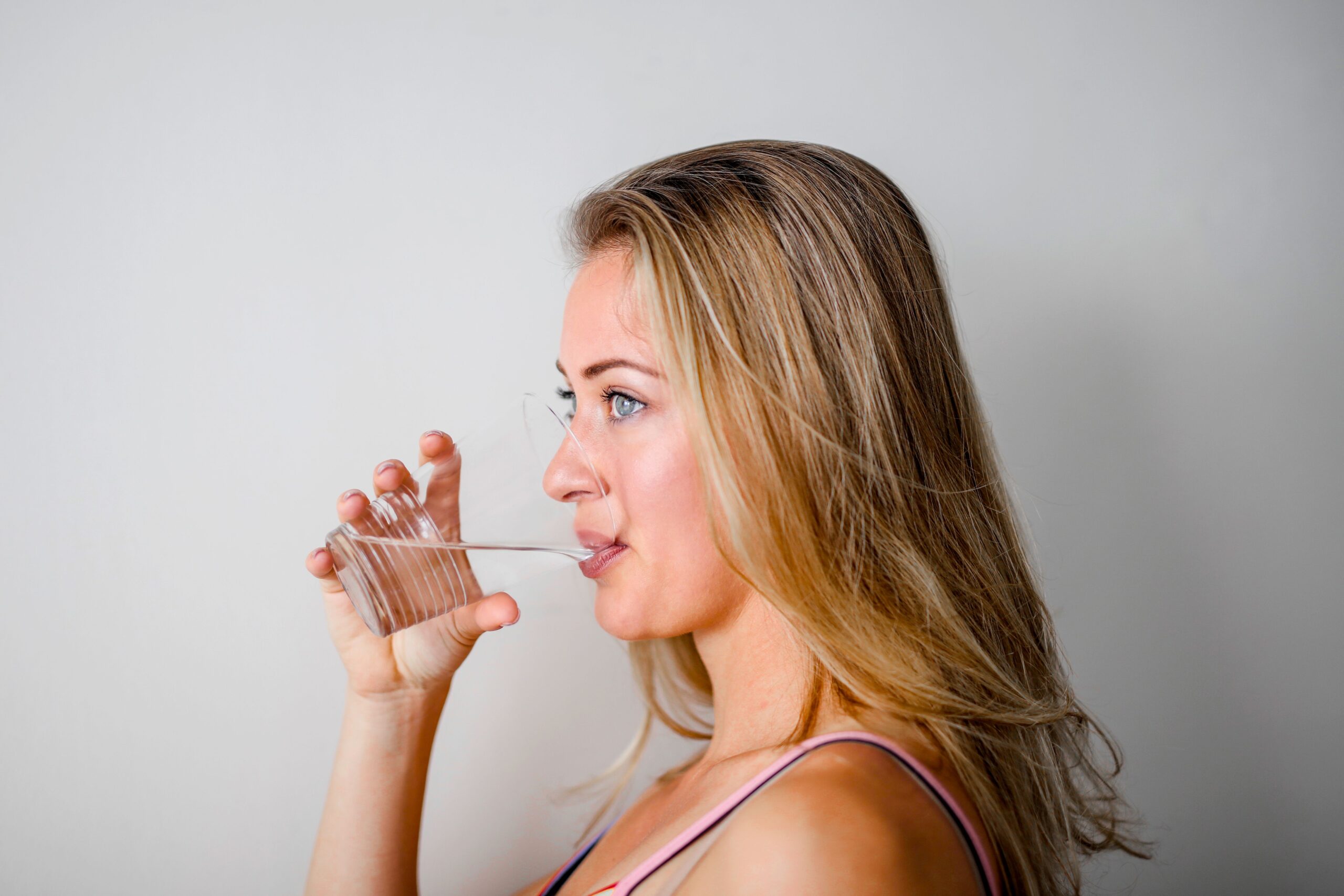
Daily water intake: how much do you really need?
For years, I rigidly stuck to the unwritten rule many of us know all too well: drink two liters of water a day, no matter what. I carried my water bottle everywhere, counting glasses diligently and feeling a pang of guilt whenever I couldn’t meet this seemingly universal goal. However, everything changed the moment I came across groundbreaking research conducted by Japanese scientists that challenges this long-held myth.
Dispelling the Myth: Why One Size Does Not Fit All
“The two-liter recommendation is simply a myth,” says nutrition expert Ruta, who has eleven years of experience advising professional athletes and everyday individuals alike. She elaborates, “The Japanese scientists studied nearly six thousand people worldwide and uncovered a vastly different reality than what we had been led to believe.” This extensive study, which analyzed 5,604 people aged from infants to 96 years old across 23 countries, unveiled a striking variation in water needs. While a sedentary office worker may require only about a liter of water per day, a professional athlete engaged in intense training might consume more than ten liters daily.
Ruta stresses, “Your bodily water needs are not dictated by generic bottle labels or arbitrary numbers but by your body’s signals and situational factors.” These include age, physical activity, climate, and even profession. She gives a vivid example of her friend Jurgita, a 44-year-old warehouse worker. “Colleagues teased me for drinking like a camel,” Jurgita admitted. “But with constant movement, heat, and sweating, two liters would be insufficient.” Meanwhile, her sister, who works an office job, feels perfectly fine consuming half as much.
The Complex Science of Water Balance
The Japanese research dives deeper into three primary factors governing hydration: the amount of water consumed through drinks and food, the water generated internally through cellular processes, and the water lost via breathing, sweating, and urination. As Ruta explains, “Water circulates through our bodies like a flowing river, not a static reservoir. The amount entering must balance the amount exiting to maintain vital equilibrium.” This dynamic system reflects the body’s continuous adaptation to its needs.
My neighbor Vytautas, 58, who took up running after his fifties, experienced this firsthand. “During my first month of training, I drank water as usual but felt awful,” he admits. “My coach advised me to double my water intake on training days, and the difference was night and day.” Vytautas’ story illustrates how hydration needs can fluctuate significantly based on activity levels.
Practical Hydration Tips: Listen to Your Body
Instead of blindly counting glasses, it’s wiser to pay attention to your body’s signals. One of the simplest and most reliable indicators is urine color: a pale yellow suggests adequate hydration, while darker amber tones indicate dehydration. “If you feel tired, suffer headaches, or struggle with focus, your first question should be: have I drunk enough water?” advises Ruta.
For athletes, she recommends weighing themselves before and after workouts. A weight loss exceeding two percent is a clear sign that fluid replenishment is necessary. Even my skeptical 65-year-old mother, who initially laughed at these “home experiments,” admitted after a month of observing her urine color, “Now I can tell exactly when I need just a glass or an entire bottle.” This common-sense approach underscores that sometimes, the best rule is simply no rule at all.
Listening carefully to your body will always trump any universal figure because your body knows best how much water it truly requires. So, rather than obsessing over fixed quotas, trust your individual needs and circumstances to guide your hydration.


Thomas Smith is the editor of Weekly Wellness, specializing in health, lifestyle, and personal growth content.