
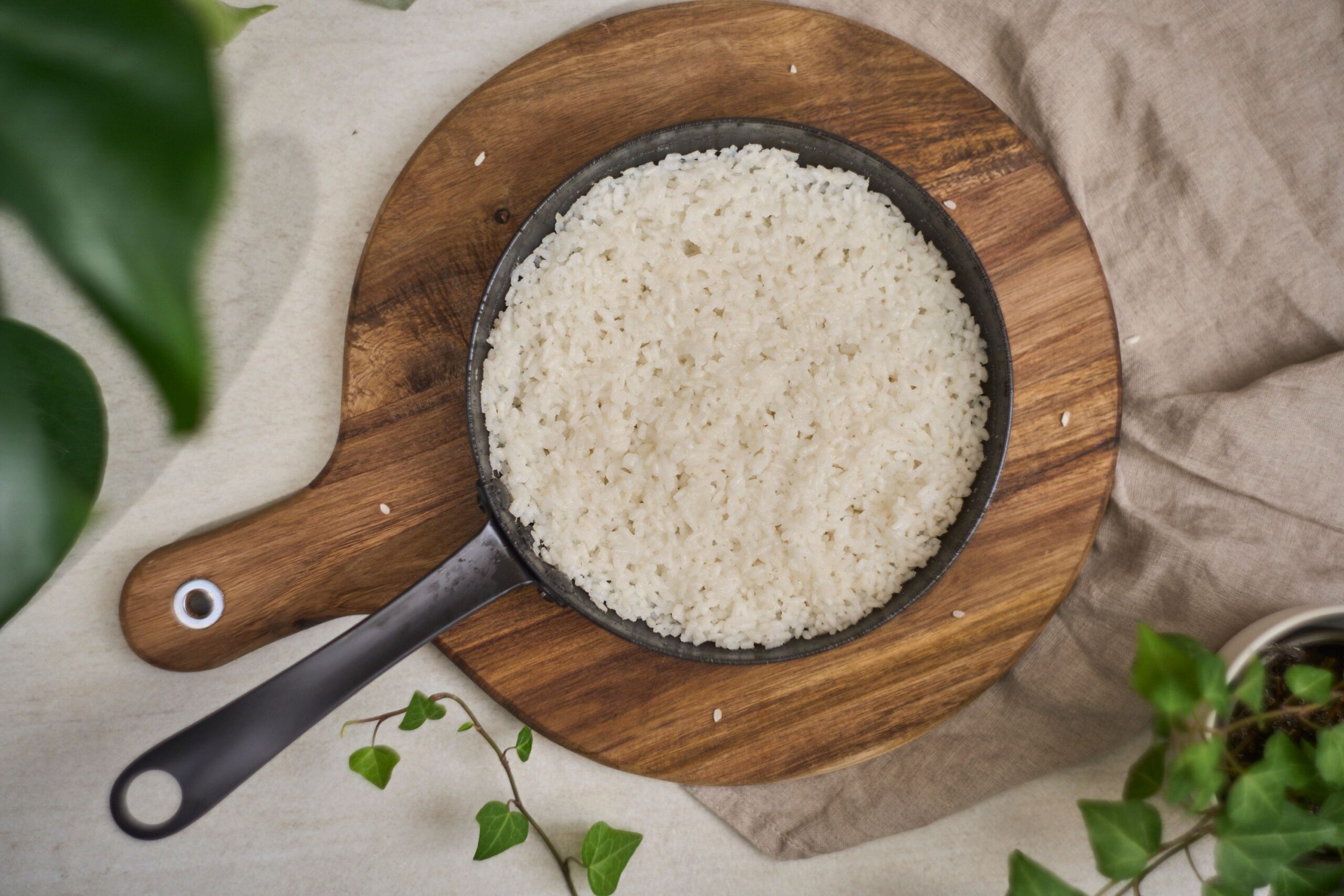
How to cook rice safely and reduce arsenic exposure
Rice is undeniably one of the most beloved and versatile staple foods around the world. It provides a substantial energy source, is easy to digest, and complements a vast array of dishes. However, my opinion is that beyond simply choosing what to eat, how we prepare it plays a critical role in maintaining our health. Scientists have recently raised alarming concerns about a naturally occurring toxic element found in rice — arsenic.
Researchers from Queen’s University Belfast have conducted comprehensive studies revealing that the amount of arsenic absorbed into our bodies hinges heavily on the cooking method employed. Arsenic is a naturally present chemical element in soil and water, but rice plants tend to accumulate significantly higher levels compared to other grains. This is primarily because rice is predominantly cultivated in flooded paddies where arsenic becomes more bioavailable and readily absorbed through the roots.
The Health Risks of Arsenic Exposure
While enjoying rice occasionally is unlikely to cause harm, the World Health Organization warns that chronic exposure to arsenic through frequent rice consumption poses serious health dangers. Scientific literature has associated long-term arsenic intake with increased risks of various cancers, cardiovascular diseases, and diabetes. From my perspective, this makes it crucial for everyone who values their health to rethink how they cook rice to minimize arsenic intake.
Rethinking Traditional Cooking Methods
Many people still cook rice by using just enough water to absorb during boiling. Unfortunately, this method retains most of the harmful arsenic within the cooked rice, as no water is discarded to flush out the toxins. According to experts, this long-standing practice may inadvertently contribute to arsenic accumulation in the body and should be reconsidered for safer alternatives.
To effectively reduce the arsenic content, it’s essential to adapt cooking techniques. One recommended approach involves rinsing the rice thoroughly under cold water several times until the water runs clear. Then, cook rice in a large volume of water, using a rice-to-water ratio of about 1:5, and drain the excess water after cooking. This procedure resembles how pasta is prepared and can significantly limit arsenic consumption while preserving rice’s nutritional value.
Frequently Asked Questions Answered
It’s important to recognize that arsenic concentration varies between different types of rice varieties. Brown rice typically contains more arsenic than white rice because arsenic accumulates in the outer bran layers removed during polishing. Moreover, basmati rice is often cited to have some of the lowest arsenic levels, making it a preferable choice for health-conscious individuals.
Another common question is whether instant or quick-cook rice bags are safer. Unfortunately, cooking rice in sealed plastic bags with limited water circulation mimics the worst case scenario, trapping arsenic inside the grain without effective removal.
For those pressed for time and unable to soak rice overnight, the best compromise is to wash it thoroughly and use the high-water cooking and draining method to reduce toxins significantly. This effort ensures that rice remains a healthy and reliable carbohydrate source in your diet.
In conclusion, my opinion is that awareness and moderation combined with adopting proper cooking techniques can make a substantial difference in mitigating arsenic exposure from rice consumption. It’s a small change in daily habits that can yield great health benefits over time. I encourage everyone to rethink how they prepare rice—not only for flavor and texture but for a safer, healthier meal every time.


Thomas Smith is the editor of Weekly Wellness, specializing in health, lifestyle, and personal growth content.