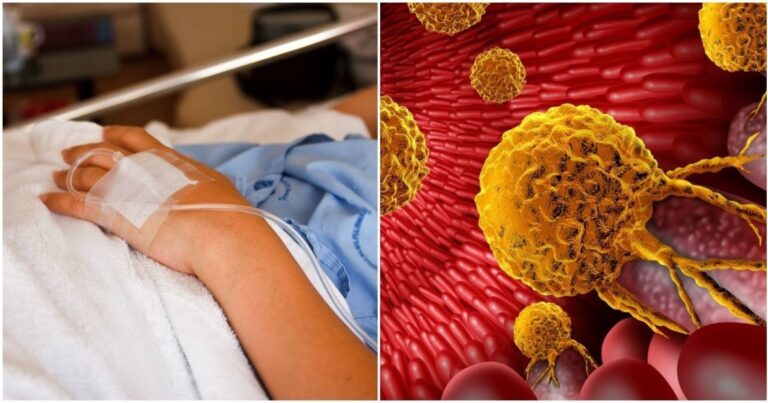

Does your blood type affect cancer risk? what research shows
The human body is a marvel of complexity, filled with mysteries that science is still striving to understand fully. One particularly fascinating area of research revolves around the role that blood groups might play in determining our health, especially in terms of cancer susceptibility. Recent studies have begun to unveil compelling evidence that your blood type could act either as a protective shield against certain cancers or, conversely, make you more vulnerable to them.
As someone who has always been intrigued by the intricate interplay between genetics and disease, I find this emerging research both exciting and thought-provoking. We know that blood groups are not just about compatibility for transfusions—they also influence how our immune system detects and combats threats. Different blood types carry unique antigens on the surface of cells, which may affect inflammatory responses and cellular behavior, processes intimately linked with the development of cancer.
Blood Type O: Nature’s Cancer Shield?
A groundbreaking study published in the Asian Pacific Journal of Cancer Prevention sheds more light on this phenomenon. The research suggests that individuals with blood type O have a statistically lower risk of developing certain insidious cancers, such as those affecting the pancreas and stomach. This observation is remarkable because blood type is a fixed genetic trait, giving those who possess type O a lifelong advantage in terms of cancer risk.
What fascinates me most is the idea that the absence of certain antigens in type O blood might hinder cancer cells from spreading or evading the immune system’s surveillance. Additionally, type O individuals tend to suffer less from chronic inflammation, which is often the precursor to oncogenic changes in tissues. While this ‘genetic privilege’ doesn’t grant immunity—healthy lifestyle choices remain essential—it certainly offers a compelling glimpse into how deeply our biology influences disease resistance.
Blood Type A: A Signal to Watch Your Stomach
At the same time, it’s crucial to consider that other blood groups come with their own unique vulnerabilities. For instance, people with blood type A appear to have a slightly higher susceptibility to stomach cancer. This may be linked to a predisposition toward Helicobacter pylori infections, a common bacterial cause of ulcers and stomach tumors.
From my perspective, this knowledge is empowering rather than alarming. Individuals with blood type A should be especially diligent about their diet—avoiding heavily processed meats, excessive salt, and fatty foods—and prioritize regular gastrointestinal screenings. Early detection is our strongest weapon against cancer, and informed vigilance can literally save lives.
Blood Types B and AB: Pancreatic Cancer Risks Under the Lens
Equally intriguing is the increased pancreatic cancer risk observed in people with blood types B and AB. Scientific hypotheses suggest that genetic variations linked with these blood groups impact inflammatory mechanisms and cellular growth within the pancreas, fueling malignancy development. Although the increased risk is modest, it serves as an important clinical signal urging these individuals to monitor their blood sugar levels closely and avoid harmful habits like smoking and excessive alcohol consumption.
As someone who values proactive health management, I see these findings as a clarion call for personalized medicine. By understanding how our blood type interfaces with genetic and environmental factors, we can tailor prevention strategies to our specific risk profiles, improving outcomes for everyone.
The Power of Lifestyle and Awareness
In the end, while blood type offers us valuable insights, it is not destiny. No blood group can guarantee absolute protection against cancer, nor should awareness of increased risk prompt panic. Maintaining a balanced diet, regular physical activity, stress reduction, and sufficient sleep form the cornerstone of cancer prevention irrespective of blood group.
What truly stands out from this body of research is the potential it holds for customized health strategies. As science advances, blood group testing might become a routine, cost-effective tool in medicine to identify high-risk individuals and guide preventive care. Until then, knowledge remains power—the more we understand our unique biology, the better equipped we are to safeguard our health every day.
So, whether you are blessed with the so-called protective blood type O, or if you belong to a group with higher risks, remember that mindful living and regular health check-ups are irreplaceable keys to a long and healthy life.


Thomas Smith is the editor of Weekly Wellness, specializing in health, lifestyle, and personal growth content.