
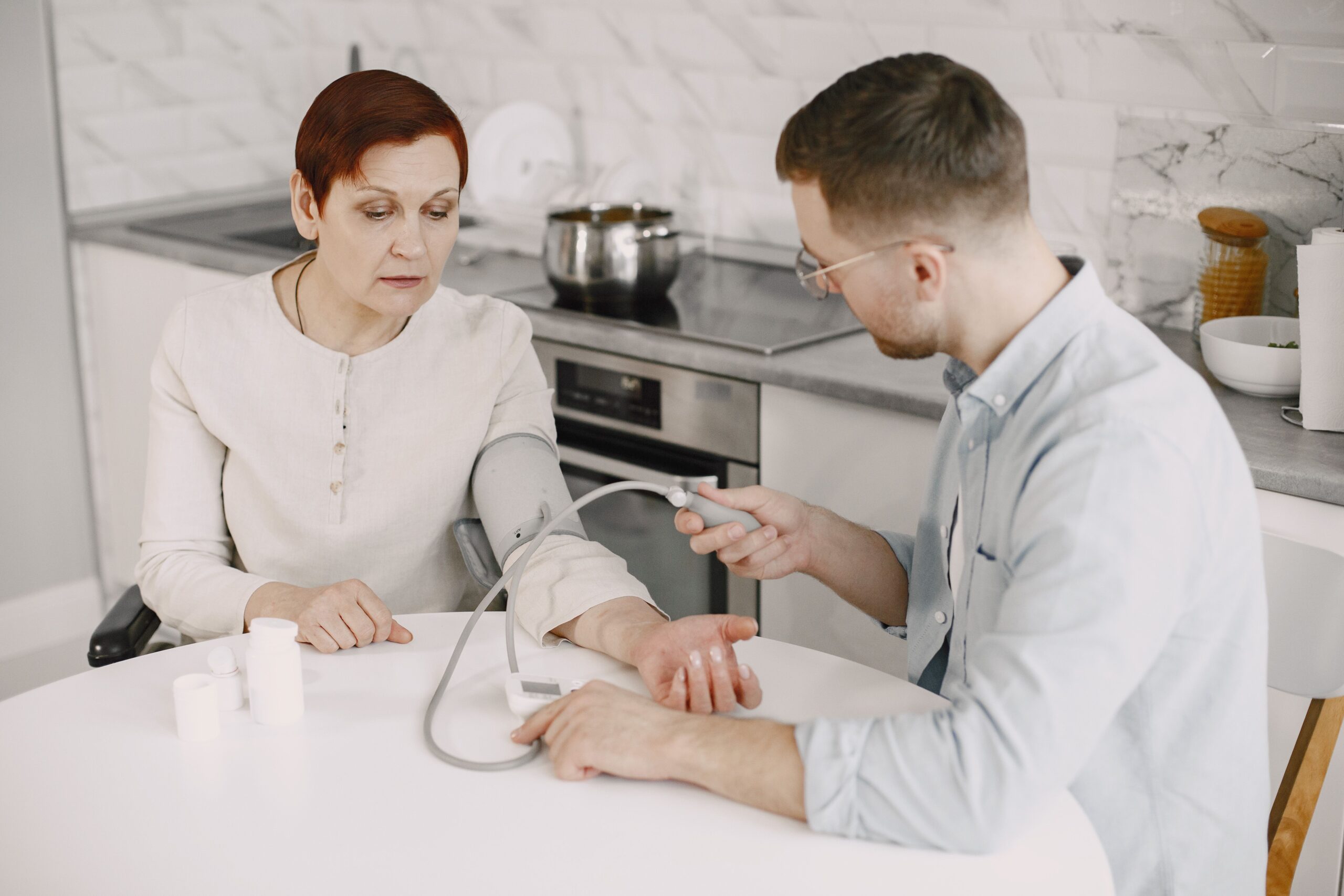
Blood pressure measurement errors that can distort your readings
Blood pressure measurement is a routine yet crucial procedure in medical examinations worldwide. However, recent research presented at the American Heart Association (AHA) conference suggests that the conventional method of measuring blood pressure only in the sitting position may be insufficient — and potentially risky. This revelation challenges long-standing medical practices and urges both physicians and patients to rethink how blood pressure evaluations are conducted.
Traditionally, blood pressure is taken while a person is sitting, which is considered the standard position for accurate readings. Yet, it appears that this conventional wisdom might cause a significant oversight. According to study findings including data from over 11,000 adults, a notable portion of individuals exhibited normal blood pressure readings while sitting but had high blood pressure when measured lying down. This condition, previously under-recognized, poses a cardiovascular risk comparable to those who have elevated blood pressure in both sitting and lying positions.
Understanding Blood Pressure and Its Measurement
Blood pressure reflects the force exerted by circulating blood against arterial walls, crucial for sustaining life but perilous when elevated. It is expressed in two numbers: systolic pressure (when the heart beats) and diastolic pressure (when the heart rests between beats). Normal readings hover around 120/80 mmHg. Deviations beyond these numbers, especially sustained high blood pressure or hypertension, are well-known risk factors for coronary heart disease, heart failure, stroke, and increased mortality.
Why Measuring Blood Pressure Lying Down Matters
These new insights raise an important clinical question: Should blood pressure also be routinely measured in the lying position? The study defined high blood pressure as systolic ≥130 mmHg and diastolic ≥80 mmHg, criteria now consistent with updated hypertension guidelines. Intriguingly, 16% of participants had normal sitting blood pressure but elevated lying blood pressure, and their cardiovascular risk was significant. This suggests that relying solely on sitting measurements might neglect a subset of patients who remain at risk of severe heart complications.
It is quite eye-opening to realize that nearly one-sixth of individuals might have hidden hypertension unless carefully screened. The consequences for public health and patient care cannot be understated. These findings underscore that blood pressure is a dynamic physiological parameter influenced by body posture, and ignoring this factor can lead to underdiagnosis and undertreatment.
Challenges and Future Directions in Clinical Practice
Despite the compelling evidence, incorporating lying down blood pressure measurements into everyday clinical practice faces practical challenges. Time constraints in healthcare settings are crucial; physicians typically have limited appointment durations, often less than 15 minutes. Adding more extensive measurements means increased workload and complexity, including the need to manage and interpret a larger volume of data.
Nevertheless, experts like Dr. Michael Broukhim advocate for targeted lying-down measurements, especially for individuals whose sitting blood pressure readings fall within the normal range but risk remaining undetected for hypertension. Furthermore, empowering patients to measure their blood pressure at home, including in a lying position, offers a promising approach to bridging this gap without overburdening clinicians.
Implications and the Need for Further Research
While the study provides important evidence, it does not establish causation and requires peer-reviewed validation. As noted by Dr. Keith C. Ferdinand, a medical professor following the research, detailed critical analysis and confirmation are necessary before changing clinical protocols universally.
Still, the potential impact is considerable. The research invites us to reconsider how we assess blood pressure, a vital sign we often take for granted as straightforward. Embracing more comprehensive measurement practices could improve hypertension diagnosis and management, ultimately reducing the burden of cardiovascular diseases.
In my opinion, this study is a wake-up call for both the medical community and patients. We must recognize that measuring blood pressure is not just a routine check but a complex assessment influenced by many factors, including body position. By adapting our practices and being more vigilant, we can catch hidden hypertension earlier and give ourselves a better chance at preventing heart disease.
In conclusion, while sitting blood pressure measurement remains the cornerstone of hypertension screening, adding lying position measurements — at least in targeted cases — may provide a fuller picture of cardiovascular health. Future guidelines should consider these findings seriously, emphasizing the importance of comprehensive and individualized blood pressure evaluation strategies to safeguard heart health effectively.


Thomas Smith is the editor of Weekly Wellness, specializing in health, lifestyle, and personal growth content.