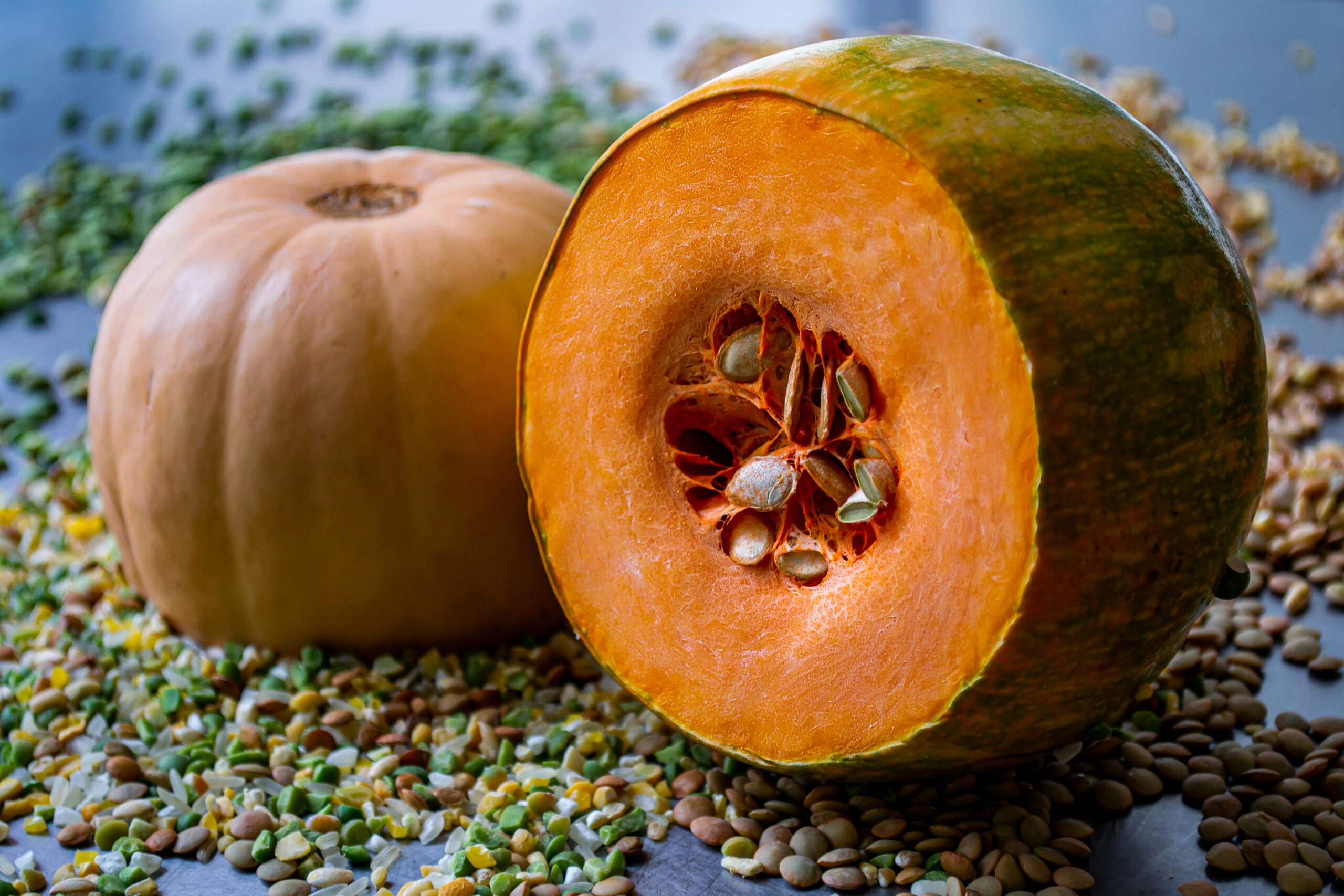
Can pumpkin seed oil truly stop hair loss and boost growth? experts reveal the truth
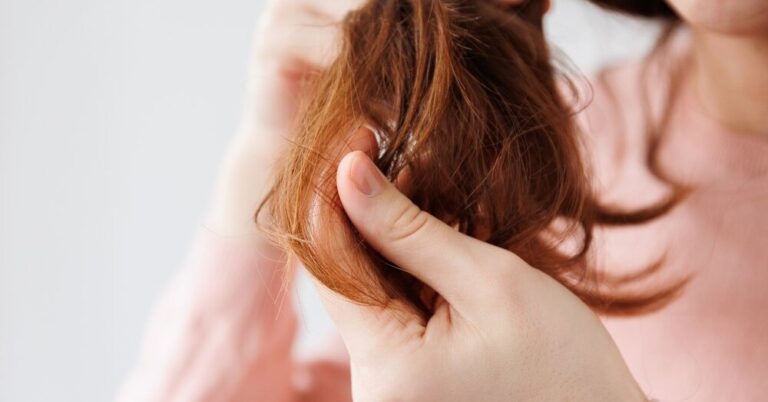
Hair loss is a common concern affecting millions worldwide, leading many to seek effective natural remedies to restore hair vitality. One such remedy gaining popularity is pumpkin seed oil, touted for its potential to reduce hair thinning and stimulate regrowth. But what does the science say, and how credible are these claims? This article explores the properties of pumpkin seed oil, the scientific evidence, expert opinions, and important considerations for users.
Understanding Pumpkin Seed Oil’s Role in Hair Health
Pumpkin seed oil is rich in bioactive compounds known for their antioxidant and anti-inflammatory properties, which play an essential role in maintaining scalp health and preventing follicle damage. Medical experts highlight that one of the key benefits of this oil could be its influence on hormone regulation, specifically by lowering dihydrotestosterone (DHT) levels. DHT is a hormone primarily involved in androgenic alopecia (pattern baldness) that negatively affects hair follicles, leading to thinning and hair loss.
Dr. Cindy Wassef, a medical doctor specializing in hair loss treatments, explains: “Pumpkin seed oil can help inhibit DHT, thereby potentially halting hair loss and encouraging new hair growth. This hormonal regulation sets it apart from many other natural oils, making it particularly promising for those dealing with pattern baldness.” By targeting the hormonal root cause, pumpkin seed oil represents a more holistic approach to hair care compared to products that only provide surface-level benefits.
Key Nutrients That Support Hair Growth
The nutritional profile of pumpkin seed oil contains several vital components beneficial to hair and scalp health. These include vitamin E, omega-3 fatty acids, and linoleic acid, each contributing to moisturizing the scalp, reducing inflammation, and promoting cellular regeneration. Vitamin E acts as a powerful antioxidant that protects hair follicles from oxidative stress, a significant contributor to premature hair thinning.
Dermatologist Shari Lipner references a clinical study involving 76 men suffering from hair loss, where half the participants took pumpkin seed oil supplements, and the other half were given a placebo. The group consuming the oil showed a statistically significant increase in hair growth and reported higher satisfaction levels than the placebo group. While these findings are encouraging, pumpkin seed oil has yet to be directly compared to established medical treatments such as minoxidil or finasteride, which remain the gold standard for hair loss therapy.
Possible Risks and Who Should Exercise Caution
Despite its natural origin, pumpkin seed oil is not free from potential side effects and risks. Individuals with allergies to pumpkins or related plants should avoid its use to prevent severe allergic reactions. Furthermore, some users have reported gastrointestinal discomfort after consuming the oil, necessitating medical advice if such symptoms persist.
People with pre-existing skin conditions like seborrheic dermatitis, eczema, or psoriasis should also be cautious. Pumpkin seed oil can exacerbate inflammation and irritation, leading to redness, itching, and overall discomfort. Therefore, consulting a healthcare professional before incorporating pumpkin seed oil into a hair care regimen is strongly recommended, especially for those with sensitive skin or underlying conditions.
When to Consider Alternative Hair Loss Treatments
Pumpkin seed oil may offer benefits mainly during early or mild stages of hair thinning. However, individuals experiencing advanced hair loss should seek professional advice from dermatologists who can recommend more potent interventions. Options like topical minoxidil, oral medications, or advanced therapies may provide significant results where natural remedies might fall short.
Dermatologist Danielle Dubin emphasizes the importance of professional consultation: “A personalized treatment plan developed by a specialist will ensure the best outcome for hair restoration, balancing natural products and medically approved therapies depending on the individual’s condition and needs.” Combining lifestyle changes, proper diagnosis, and tailored treatments remains the key to managing hair loss effectively.
In summary, pumpkin seed oil emerges as a promising, natural option for combating hair loss and fostering new growth due to its unique hormonal and nutritional effects. Nonetheless, its use must be tailored to the individual’s health profile and complemented by expert medical guidance to maximize safety and efficacy.

Thomas Smith is the editor of Weekly Wellness, specializing in health, lifestyle, and personal growth content.