How to get rid of oily hair naturally: best remedies for fresh and clean hair
How to get rid of oily hair naturally and restore freshness
Oily hair is one of the most common hair concerns, often appearing just hours after washing. While many people blame shampoo or external factors, the real causes are often deeper—linked to lifestyle, diet, and scalp balance.
The good news is that nature offers effective solutions. By understanding why hair becomes greasy and using simple natural methods, it is possible to restore long-lasting freshness and volume.
What causes oily hair and excess sebum production
The scalp naturally produces oil, known as sebum, which protects and hydrates hair. However, when too much sebum is produced, hair quickly becomes greasy and flat.
Several factors influence this process. Hormonal fluctuations, genetics, and stress can all increase oil production. Diet also plays a major role—especially when it includes high amounts of sugar, processed foods, and unhealthy fats. These can stimulate hormonal changes that activate oil glands.
Hair care habits also matter. Overwashing, using heavy products, or applying conditioner to the roots can actually worsen oiliness by triggering the scalp to produce even more sebum.
Natural remedies for oily hair that actually work
Nature provides a range of ingredients that help regulate oil production without damaging the scalp.
Clay-based treatments are particularly effective because they absorb excess oil and deeply cleanse the scalp. Ingredients like kaolin or bentonite clay can remove buildup while maintaining balance.
Herbal extracts such as nettle, mint, and rosemary are known for their ability to refresh the scalp and reduce oiliness. These natural solutions also provide antibacterial benefits, helping to maintain a healthy scalp environment.
Another powerful remedy is diluted apple cider vinegar. It helps restore the scalp’s natural pH, making it harder for excess oil to accumulate while improving shine and smoothness.
Tea tree oil is also widely used due to its antiseptic properties. When diluted properly, it can reduce oil buildup and calm irritation.
The role of diet in controlling oily hair
What you eat has a direct impact on how your scalp behaves. Diets high in refined carbohydrates and saturated fats can increase oil production, making hair greasy faster.
On the other hand, nutrient-rich foods support healthier hair. Zinc, B vitamins, and healthy fats help regulate sebum production and improve scalp condition.
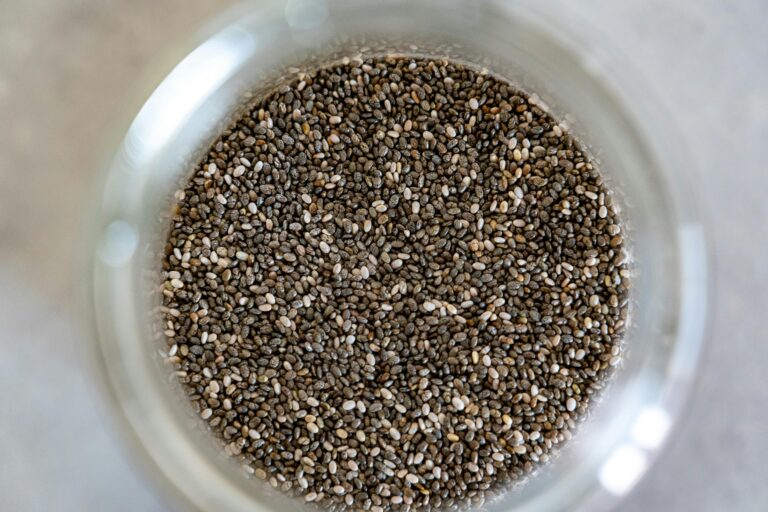
Foods such as nuts, seeds, fish, and leafy greens provide essential nutrients that strengthen hair and reduce excessive oiliness. Switching to a balanced diet can noticeably improve hair condition within weeks.
Daily habits that make oily hair worse
Many everyday habits unintentionally contribute to greasy hair.
Touching your hair frequently transfers oils and dirt from your hands, accelerating the buildup. Brushing too often can also stimulate oil glands, making roots appear greasy faster.
Using heavy styling products or shampoos that leave residue can weigh hair down and worsen the problem. Additionally, washing hair too frequently strips natural oils, prompting the scalp to compensate by producing even more sebum.
Even water temperature matters—very hot water can overstimulate oil production, while lukewarm water helps maintain balance.
How to build a healthy hair care routine
Creating the right routine is essential for managing oily hair effectively.
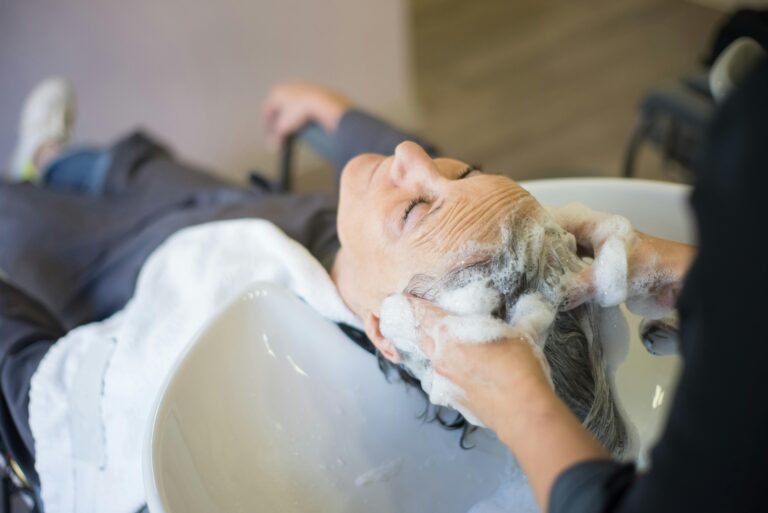
Washing hair two to three times per week is generally recommended, allowing the scalp to regulate itself naturally. Choosing lightweight, clarifying shampoos helps remove buildup without over-drying.
Conditioner should only be applied to the lengths and ends—not the roots. This prevents unnecessary oil accumulation at the scalp.
Occasional scalp exfoliation can also help remove dead skin cells and product residue, improving overall scalp health.
Consistency is key. Sudden changes or overly aggressive treatments can disrupt the scalp’s balance and worsen the issue.
Why balance is the real secret to fresh hair
Completely eliminating oil is not the goal. Sebum is essential for protecting and nourishing hair. The objective is to maintain balance—ensuring the scalp produces just enough oil to keep hair healthy without making it greasy.
Natural remedies, combined with proper daily habits and a balanced diet, offer a sustainable solution. Instead of relying on harsh products, supporting the scalp’s natural processes leads to better long-term results.
Simple changes that deliver long-term results
Managing oily hair does not require complicated routines or expensive treatments. Small, consistent changes—such as adjusting your diet, choosing lighter products, and using natural remedies—can transform your hair over time.
By understanding the root causes and working with your body rather than against it, you can achieve hair that stays clean, fresh, and full of life much longer.

Anthony Brown is a wellness writer at Weekly Wellness, focusing on health, fitness, and lifestyle topics. He is passionate about helping readers build sustainable habits and improve their overall well-being through practical, research-informed advice.