Vitamins and minerals that may help stop hair loss
Hair loss is one of the most common concerns affecting both men and women. While losing some hair every day is completely normal, excessive shedding can be frustrating and may indicate an underlying problem.
Experts say that before investing in expensive treatments or supplements, it is important to understand why hair is falling out in the first place. In many cases, nutritional deficiencies play a significant role in weakening hair follicles and slowing healthy growth.
Hair loss often starts from within
Healthy hair requires a steady supply of nutrients to grow properly. When the body lacks essential vitamins, minerals or protein, hair follicles may enter a resting phase earlier than normal, leading to increased shedding and slower regrowth.
However, nutrition is not the only factor. Hair loss can also be triggered by stress, hormonal changes, thyroid disorders, certain medications, illness or genetics. Because of this, persistent hair loss should always be evaluated by a healthcare professional.
Vitamin d: one of the most important nutrients for hair growth
Research has linked low vitamin D levels to various forms of hair loss. This vitamin helps support the development of healthy hair follicles and plays an important role in the hair growth cycle.
Many people have insufficient vitamin D levels, especially during winter months when sun exposure is limited. Fatty fish, fortified foods and moderate sunlight exposure can help maintain healthy levels.
Biotin: popular for a reason
Biotin, also known as vitamin B7, is one of the nutrients most commonly associated with healthy hair.
Although true biotin deficiency is relatively rare, low levels have been linked to thinning hair and increased shedding. Biotin supports the production of keratin, the protein that forms the structure of hair.
Good dietary sources include eggs, fish, nuts and whole grains.
Iron deficiency is a common cause of hair loss
Iron helps red blood cells carry oxygen throughout the body, including to the scalp and hair follicles.
When iron levels become too low, follicles may not receive the nutrients they need to maintain healthy growth. This is one of the most common nutritional causes of hair loss, particularly among women.
Foods rich in iron include:
- Red meat
- Shellfish
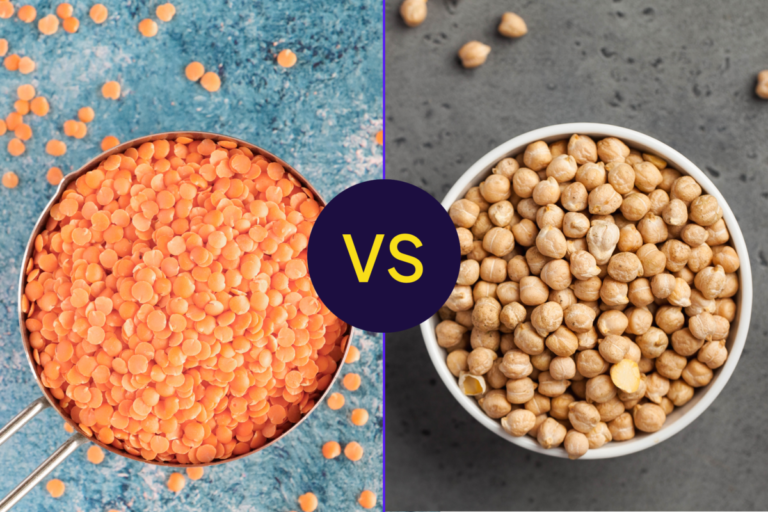
- Lentils
- Spinach
- Eggs
If iron deficiency is suspected, blood testing is recommended before taking supplements.
Zinc helps strengthen hair follicles
Zinc plays a crucial role in tissue growth and repair, including the tissues that support hair follicles.
A deficiency can lead to increased shedding and slower hair growth. Studies have found that restoring adequate zinc levels may improve hair health in individuals who are deficient.
Rich sources of zinc include oysters, beef, pumpkin seeds and legumes.
Vitamin e supports scalp health
Vitamin E acts as an antioxidant, helping protect cells from oxidative stress.
Some experts believe that improved blood circulation and reduced oxidative damage may support healthier hair growth and scalp function. Foods rich in vitamin E include almonds, sunflower seeds, spinach and avocados.
Protein matters more than many people realize
Hair is made primarily of protein, specifically keratin. When dietary protein intake is too low, the body may prioritize more essential functions and reduce resources available for hair growth.
As a result, hair can become thinner, weaker and more prone to shedding. Ensuring adequate protein intake is one of the simplest ways to support healthy hair.
Good sources include:
- Lean meat
- Fish
- Eggs
- Dairy products
- Beans and legumes
- Nuts and seeds
Other nutrients that support healthy hair
Several additional nutrients contribute to strong, healthy hair:
Vitamin A helps maintain scalp health and supports natural oil production. However, excessive supplementation can actually worsen hair loss.
Vitamin C supports collagen production and helps the body absorb iron more efficiently. It is found in citrus fruits, berries and peppers.
B-complex vitamins help transport oxygen and nutrients to hair follicles through healthy red blood cell production.
Lifestyle factors also play a role
Nutrition alone is not always enough.
Experts recommend managing stress, getting adequate sleep and avoiding excessive heat styling or harsh chemical treatments. Some specialists also suggest gentle scalp massage to improve blood circulation and support follicle function.
Using mild hair care products and avoiding overly aggressive treatments may also help reduce breakage and preserve hair strength.
When should you see a doctor?
Occasional shedding is normal. Most people lose between 50 and 100 hairs per day as part of the natural hair growth cycle.
However, medical evaluation is recommended if you notice:
- Sudden or severe hair loss
- Bald patches
- Significant thinning
- Hair loss accompanied by fatigue or other symptoms
- Hair shedding that continues for several months
A doctor can help determine whether the problem is related to nutrient deficiencies, hormones, thyroid function or another underlying condition.

Anthony Brown is a wellness writer at Weekly Wellness, focusing on health, fitness, and lifestyle topics. He is passionate about helping readers build sustainable habits and improve their overall well-being through practical, research-informed advice.