
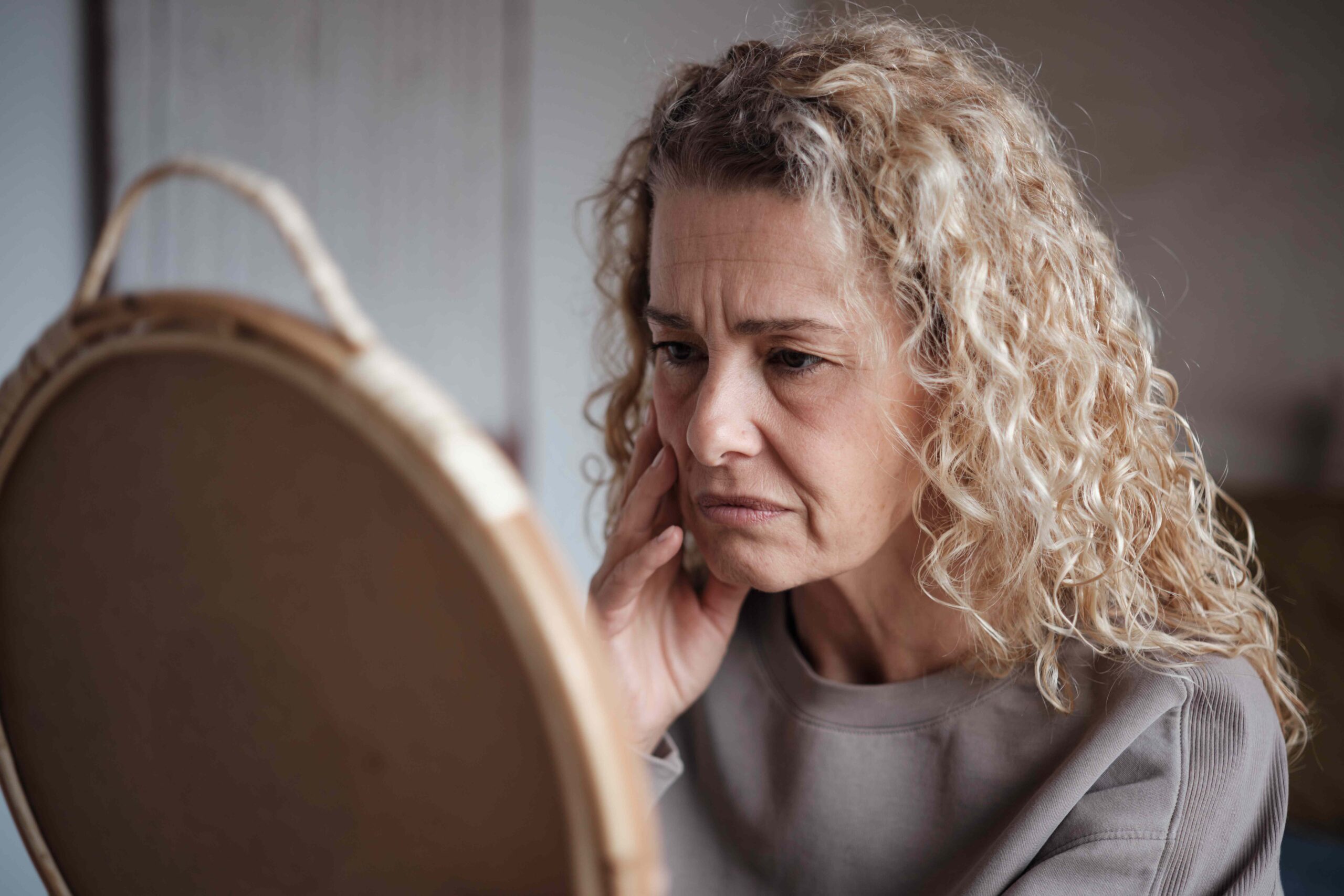
How worrying about aging could be speeding up your biological clock
Worrying about getting older is a common experience that many people face as they navigate through different stages of life. However, a groundbreaking study published recently in the journal Psychoneuroendocrinology reveals a fascinating yet concerning link between anxiety about aging and accelerated biological aging. This research highlights that the mental stress associated with fearing the effects of growing older, particularly those related to health, may actually speed up the underlying processes of physical aging.
The study, led by Mariana Rodrigues, a PhD candidate at New York University’s School of Global Public Health, analyzed data from 726 American women aged between 25 and 74. These participants took part in the Midlife in the United States study, during which they were asked to report their anxiety levels about age-related changes concerning health, appearance, and fertility. Moreover, their biological age was assessed through blood markers that indicate chemical changes on their DNA—markers that reflect how quickly their bodies were aging on a cellular level.
Results demonstrated a significant correlation between higher anxiety about aging—especially related to health—and signs of accelerated biological aging. Researchers suggest this could be due to the way chronic stress impacts inflammation, metabolism, and overall cellular health. Interestingly, worries about physical appearance or family planning did not show as strong a relationship with biological aging, emphasizing that health concerns are the most impactful factor.
The Science Behind Anxiety and Aging
Experts in the field affirm that stress can indeed accelerate the aging process. Michael Snyder, a genetics professor at Stanford University who studies aging, highlights that stress-related inflammation is a key driver of biological aging. Similarly, Ellen Lee, a geriatric psychiatrist, notes the compelling mind-body connection where mental health issues influence physical health and vice versa. She explains that illnesses can increase psychological distress, while mental disorders can aggravate physical symptoms, creating a cyclical impact.
However, the study’s authors and other experts caution against seeing anxiety as the sole cause of accelerated aging. The research is correlational and cross-sectional, meaning it captures a snapshot in time rather than a cause-effect progression. Additionally, lifestyle factors such as smoking, alcohol consumption, and existing medical conditions also play crucial roles in biological aging and anxiety levels. These complexities imply that worrying about aging might coexist with, but not necessarily cause, accelerated aging.
Practical Strategies to Manage Aging Anxiety
Understanding the intricate relationship between anxiety about aging and physical health allows for the development of healthier coping mechanisms. Rodrigues advises individuals to shift their mindset from trying to eliminate anxiety entirely—a usually unrealistic goal—to managing it effectively through positive lifestyle choices. Engaging in activities like mindfulness meditation, nurturing social relationships, and pursuing hobbies can help reduce stress and improve emotional well-being.
Dr. Lee encourages using anxiety about aging as a motivational tool. Rather than fearing the future, channeling those feelings into improving diet, increasing physical activity, and fostering community connections can lead to better health outcomes and potentially slow biological aging. She also stresses the importance of recognizing positive aspects of aging such as broader wisdom, life experience, and emotional depth, helping individuals develop a more balanced and fulfilling outlook on getting older.
Adaptation is key for maintaining quality of life despite physical changes. For example, if high-intensity activities like marathon running become less feasible, finding alternative ways to stay active and social is essential. “There are ways to have a really good and meaningful quality of life without having all of the physical attributes that are associated with youth,” Dr. Lee says, emphasizing that healthy aging is about thriving, not just surviving.
Concluding Thoughts
This emerging research underscores the powerful connection between mental and physical health, particularly as we age. While anxiety about getting older is natural, allowing it to dominate can be harmful to our biological health. Instead, adopting constructive attitudes toward aging and stress management not only improves mental well-being but could also positively influence the aging process. Individuals are encouraged to cultivate resilience, embrace the benefits of aging, and seek support when necessary to foster a holistic approach to graceful and healthy aging.

Thomas Smith is the editor of Weekly Wellness, specializing in health, lifestyle, and personal growth content.