Are sprouted potatoes dangerous to eat? uncover the hidden health risks and how to protect yourself
Potatoes are a staple food in many households and cuisines worldwide. However, a common question arises when these tubers begin to sprout: is it safe to eat sprouted potatoes? The presence of sprouts or green patches on potatoes indicates a chemical change that can pose health risks if not properly understood and managed. This article explores the scientific reasons behind sprouting, the health dangers associated with consuming sprouted potatoes, and the best methods to store potatoes to keep them safe for consumption.
Why Do Potatoes Sprout, and What Are the Associated Risks?
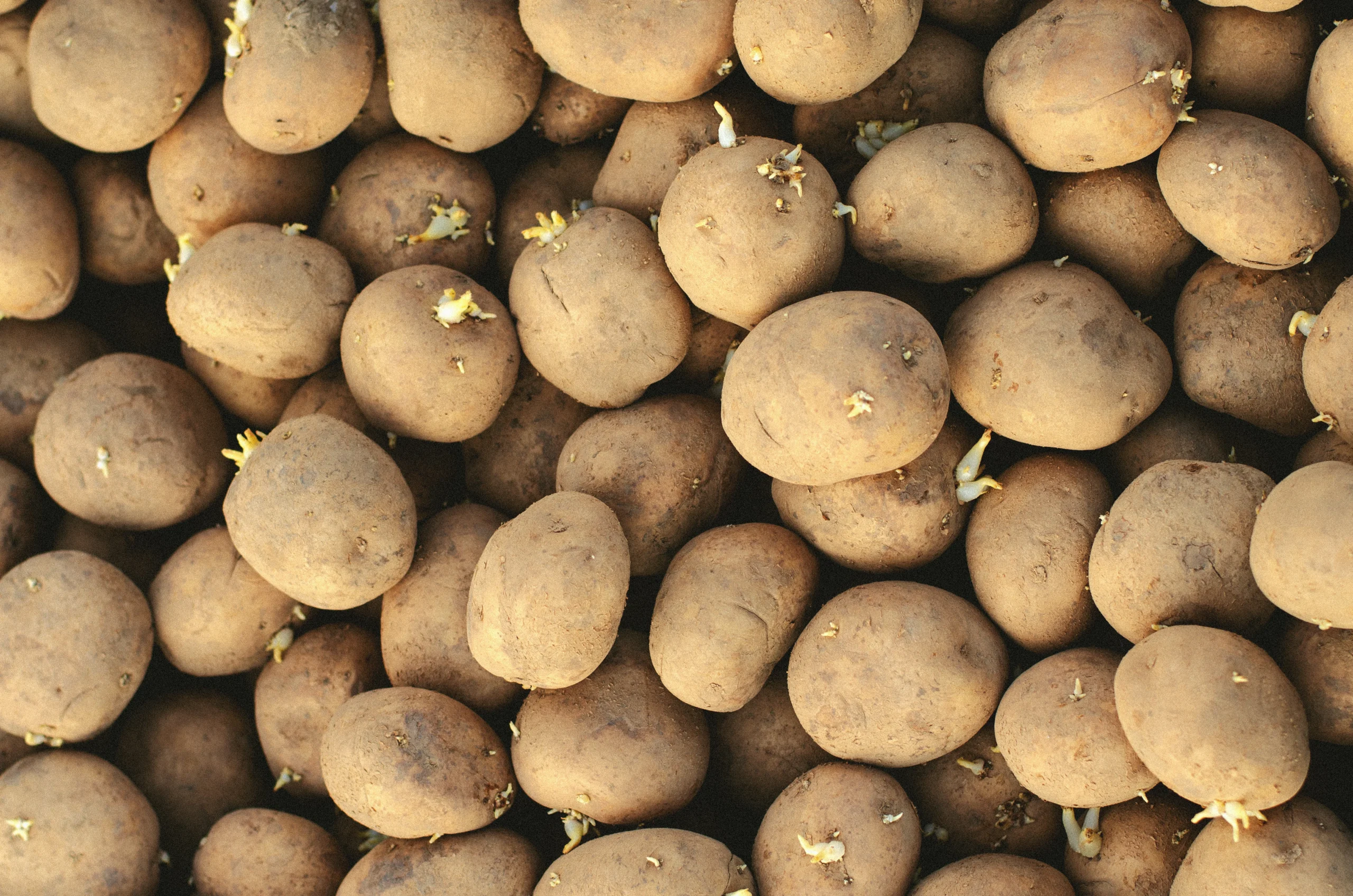
Potatoes naturally produce compounds known as glycoalkaloids, which serve as protective chemicals to defend the plant against pests and fungi. When potatoes sprout or develop green discolorations, these glycoalkaloid levels can significantly increase, particularly in the skin, sprouts, and any green areas. While small amounts of these toxins can be reduced by peeling the potato or cutting away the sprouts and green spots, heavy sprouting or extensive greening suggests that the toxin concentration is too high for safe consumption.
Glycoalkaloids, such as solanine and chaconine, are natural plant toxins. Ingestion of high quantities can lead to a range of adverse health effects. The green coloration on potatoes is a sign of chlorophyll production triggered by light exposure, which itself is harmless but often coincides with increased glycoalkaloid accumulation.
Identifying When to Discard Potatoes
To protect yourself from glycoalkaloid poisoning, it is crucial to thoroughly inspect potatoes before eating. Discard any potatoes exhibiting numerous sprouts, thick green layers, noticeable decay, mold, or an unpleasant odor. Additionally, potatoes that have softened, darkened, or developed moldy patches should not be consumed. When in doubt about the quality, it is better to err on the side of caution and avoid using these potatoes to prevent potential health issues.
Health Symptoms from Eating Sprouted Potatoes
Consuming potatoes with high glycoalkaloid content can cause various symptoms due to their toxic effect on the digestive and nervous systems. Early signs include stomach cramps, nausea, vomiting, dizziness, and headaches. In more severe cases, symptoms may progress to difficulty swallowing, hallucinations, seizures, or even paralysis. Although such serious reactions are rare, the danger underscores the importance of reducing glycoalkaloid intake by avoiding sprouted or green potatoes.
Proper Storage Techniques to Prevent Sprouting
One of the most effective ways to avoid the dangers associated with sprouted potatoes is correct storage. Potatoes should be stored in a cool, dark, and well-ventilated environment where temperature ranges ideally between 4°C and 12°C. Avoid refrigeration, as temperatures that are too cold can alter the potato’s texture and flavor. Similarly, exposure to light or proximity to heat sources, like stoves or radiators, should be minimized since these conditions encourage sprouting and greening.
Storing potatoes in perforated bags or breathable containers enables air circulation and reduces moisture accumulation, which can lead to rot. It is also prudent to purchase only the amount of potatoes you plan to consume in a short time frame, limiting the risk of spoilage and sprouting. Regularly checking the stored potatoes and removing any compromised specimens ensures that the rest remain safe for cooking and consumption.
Conclusion
While sprouting is a natural process for potatoes, it can lead to elevated levels of toxic glycoalkaloids that pose health risks when ingested. Being vigilant about identifying spoiled or heavily sprouted potatoes, understanding the symptoms of glycoalkaloid poisoning, and applying proper storage techniques can greatly reduce these risks. By following these guidelines, consumers can safely enjoy potatoes without worrying about their health.

Thomas Smith is the editor of Weekly Wellness, specializing in health, lifestyle, and personal growth content.