
Heart healthy foods: 9 everyday products that support your heart
Heart-healthy foods: 9 everyday choices that support your heart
Heart disease remains one of the leading health concerns worldwide, yet many people underestimate how strongly daily food choices influence cardiovascular health. The good news is that supporting your heart does not require extreme diets or expensive supplements. In many cases, the most effective tools are already in your kitchen.
Scientific evidence consistently shows that a balanced diet rich in plant-based foods, healthy fats, and fiber can help lower cholesterol, regulate blood pressure, and reduce the risk of heart disease.
So which foods truly make a difference?
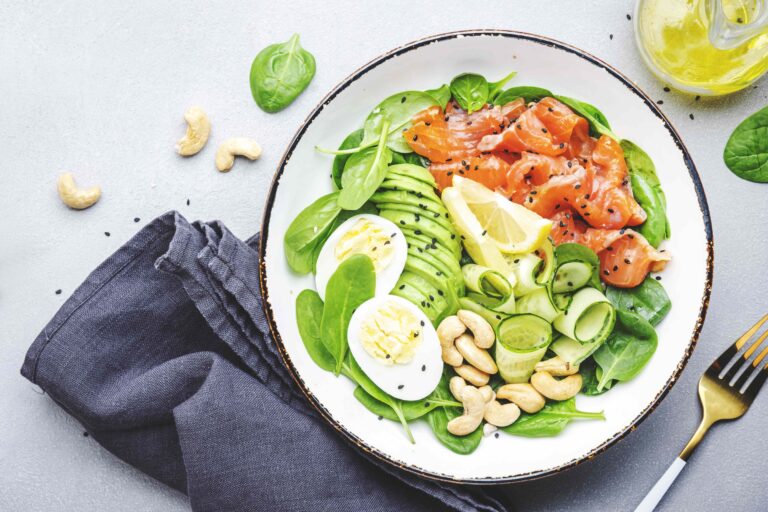
Leafy greens: a foundation for heart health
Vegetables like spinach, kale, and other dark leafy greens are among the most powerful foods for your cardiovascular system. They are rich in vitamins, minerals, and antioxidants that support blood vessel function.
These vegetables also contain compounds that may help reduce inflammation and improve circulation. Regular consumption has been linked to a lower risk of heart disease and stroke.
Berries: small fruits with big impact
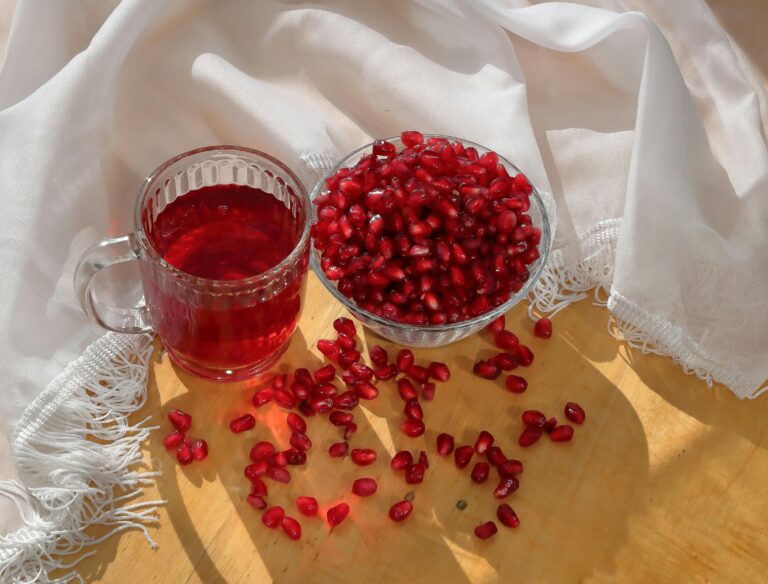
Berries such as blueberries, strawberries, and raspberries are packed with antioxidants known as anthocyanins. These compounds help protect cells from oxidative stress and support healthy blood vessels.
Research suggests that berries may help lower blood pressure and improve overall vascular function, making them one of the easiest additions to a heart-friendly diet.
Fatty fish: omega-3 power for your heart
Fish like salmon, mackerel, and sardines are rich in omega-3 fatty acids, which are essential for heart health.
These healthy fats help reduce inflammation, lower triglyceride levels, and support normal heart rhythm. Regular consumption of fatty fish has been associated with a reduced risk of cardiovascular disease.
Nuts and seeds: natural cholesterol support
Nuts such as almonds and walnuts, along with seeds like flax and chia, provide healthy fats, fiber, and important nutrients.
Studies show that regularly eating nuts may lower LDL (“bad”) cholesterol, reduce inflammation, and improve overall heart health.
Even a small daily portion can have long-term benefits.
Whole grains: stable energy and better circulation
Whole grains like oats, brown rice, and whole wheat products are rich in fiber, particularly soluble fiber, which helps lower cholesterol levels.
They also support stable blood sugar levels and improve digestive health, both of which are important for maintaining a healthy cardiovascular system.
Citrus fruits: more than just vitamin c
Oranges, lemons, and grapefruits offer more than immune support. They are rich in fiber and plant compounds that help regulate cholesterol and blood pressure.
Some studies show that citrus fruits may help improve blood vessel function and reduce cardiovascular risk factors.
Legumes: plant-based protein with benefits
Beans, lentils, and chickpeas are excellent sources of plant protein and fiber. They are low in fat and help reduce cholesterol levels while supporting healthy digestion.
Higher intake of legumes has been linked to a lower risk of heart disease, making them a valuable alternative to processed or fatty meats.
Avocados: healthy fats that protect your heart
Avocados are rich in monounsaturated fats, which are known to support healthy cholesterol levels.
These fats can help reduce LDL cholesterol while increasing HDL (“good”) cholesterol, improving overall cardiovascular health.
Olive oil: a key part of heart-friendly diets
Olive oil, especially extra virgin, is a staple of heart-healthy eating patterns like the Mediterranean diet.
It contains beneficial fats and antioxidants that help reduce inflammation and improve cholesterol balance. Replacing saturated fats with olive oil can significantly reduce heart disease risk.
Why variety matters most
While each of these foods offers unique benefits, the real power comes from combining them. Experts emphasize that no single food can protect your heart on its own — it is the overall dietary pattern that matters most.
Eating a variety of fruits, vegetables, whole grains, and healthy fats daily can reduce the risk of heart disease by up to 20%.
This highlights a simple but powerful principle: consistency beats perfection.
The bigger picture: lifestyle still matters
Diet is only one part of heart health. Physical activity, sleep quality, stress management, and avoiding smoking all play crucial roles.
However, food is one of the easiest areas to improve — and one of the most impactful.
Final thoughts
Supporting your heart does not require drastic changes. Simple, everyday foods like berries, leafy greens, nuts, and fish can quietly improve your health over time.
The key is not perfection, but consistency. What you eat daily matters far more than occasional healthy choices.
Sometimes, the strongest protection for your heart starts with what’s on your plate.

Anthony Brown is a wellness writer at Weekly Wellness, focusing on health, fitness, and lifestyle topics. He is passionate about helping readers build sustainable habits and improve their overall well-being through practical, research-informed advice.