5 Foods that damage your eyesight and what to eat instead for better vision
5 Foods that damage your eyesight and how to replace them
Many people associate vision problems with aging or genetics, but diet plays a far more important role than most realize. What you eat every day can either protect your eyes—or gradually weaken them without obvious warning signs.
Modern nutrition research shows that certain foods contribute to oxidative stress, inflammation, and nutrient deficiencies that directly impact eye health. Over time, these factors can increase the risk of conditions such as macular degeneration, dry eye syndrome, and even vision loss.
Understanding which foods harm your eyesight—and what to replace them with—can make a significant difference in maintaining clear vision for years to come.
How diet affects eye health and vision quality
The human eye is highly sensitive to nutrient imbalances. Vitamins such as A, C, and E, along with minerals like zinc and antioxidants like lutein and zeaxanthin, play a crucial role in protecting retinal cells.
A lack of these nutrients weakens the eye’s natural defense system. According to research, antioxidants help reduce oxidative stress, which is one of the main contributors to age-related eye diseases.
At the same time, diets high in processed ingredients, sugar, and unhealthy fats can accelerate damage by promoting inflammation and impairing blood circulation to the eyes.
Refined sugar and sweets: a hidden threat to vision
Foods high in refined sugar—such as candies, pastries, and sugary drinks—can negatively affect eye health over time. Excess sugar spikes blood glucose levels, which may damage blood vessels in the retina.
This process is particularly dangerous because it develops silently. Over time, it may contribute to diabetic retinopathy or worsen existing vision problems.
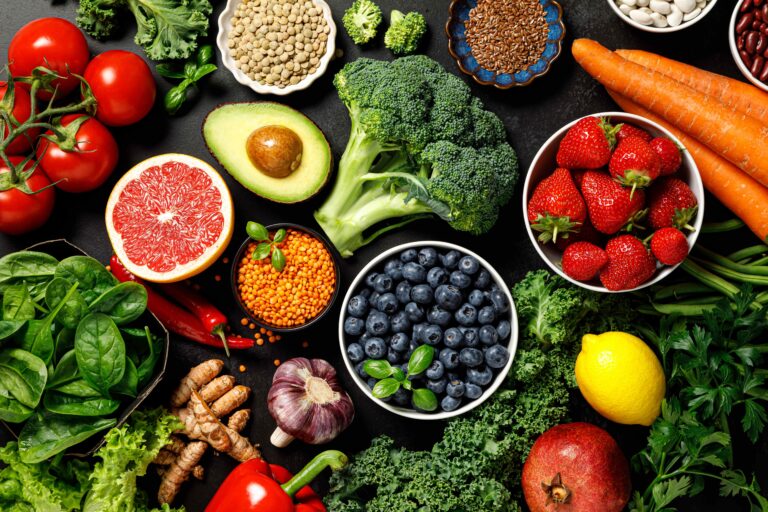
A better alternative is to replace processed sweets with natural sources of antioxidants, such as berries. Blueberries, for example, are rich in vitamin C and protective compounds that help shield the eyes from oxidative damage.
Ultra-processed foods and vision decline
Highly processed foods often contain artificial additives, trans fats, and excessive sodium. These ingredients can disrupt the body’s ability to absorb essential nutrients needed for eye health.
In addition, ultra-processed foods are linked to systemic inflammation, which may negatively affect the optic nerve and retinal function.
Replacing processed meals with whole, nutrient-dense foods—such as vegetables, whole grains, and lean proteins—helps restore balance and supports long-term vision.
Trans fats and fried foods: damaging blood flow to the eyes
Fried foods and products containing trans fats can impair circulation, including blood flow to the eyes. Poor circulation limits the delivery of oxygen and nutrients to delicate eye tissues.
Over time, this may increase the risk of degenerative eye conditions.
Instead, incorporating healthy fats—such as those found in nuts and fish—can support cellular health and improve nutrient absorption. Foods like almonds and fatty fish provide essential fatty acids and vitamin E, which are known to protect eye cells from damage.
Excessive salt intake and eye pressure problems
High salt consumption is often associated with cardiovascular issues, but it can also affect eye health. Excess sodium may contribute to increased blood pressure, which in turn can impact the tiny blood vessels in the eyes.
This can raise the risk of conditions such as glaucoma and retinal damage.
Reducing salt intake and focusing on fresh, minimally processed foods helps maintain stable blood pressure and supports overall eye function.
Alcohol and dehydration: the overlooked vision risk
Alcohol consumption can lead to dehydration, which affects tear production and may cause dry eyes. Chronic dehydration can reduce eye comfort and clarity.
In addition, alcohol interferes with the absorption of key nutrients, including vitamin A—one of the most important vitamins for vision.
Choosing hydrating beverages and maintaining a balanced diet rich in vitamins can help counteract these effects.
The best foods to protect and improve your eyesight
While some foods harm vision, others actively protect it. Nutrient-rich foods can slow degeneration and even improve visual performance.
Leafy greens such as spinach are packed with lutein and zeaxanthin, which help filter harmful light and protect the retina.
Carrots remain one of the most well-known foods for eye health due to their high beta-carotene content, which the body converts into vitamin A—essential for maintaining good vision.
Seafood provides zinc, a mineral that supports vitamin A metabolism and strengthens the immune system, both of which are important for eye health.
Nuts, especially almonds, supply vitamin E and healthy fats that protect eye cells from oxidative stress and may reduce the risk of age-related conditions.
Why gut health also matters for vision
An often overlooked factor in eye health is digestion. Even the healthiest foods will not benefit the body if nutrients are not properly absorbed.
Digestive issues, stress, and food intolerances can interfere with nutrient uptake. This means that even a nutrient-rich diet may fail to support vision if gut health is compromised.
Maintaining a healthy digestive system ensures that vitamins and minerals reach the eyes and perform their protective functions effectively.
Small daily changes that can protect your vision
Improving eye health does not require drastic changes. Simple adjustments—such as reducing processed foods, limiting sugar intake, and incorporating more antioxidant-rich ingredients—can have a powerful long-term impact.
Consistency is key. The eyes rely on a steady supply of nutrients, and even small daily improvements can help preserve vision and reduce the risk of future problems.
Ultimately, protecting your eyesight starts on your plate. By choosing the right foods and avoiding harmful ones, you can support your vision naturally and maintain eye health well into the future.

Anthony Brown is a wellness writer at Weekly Wellness, focusing on health, fitness, and lifestyle topics. He is passionate about helping readers build sustainable habits and improve their overall well-being through practical, research-informed advice.