Longevity diet foods: 4 daily choices that may help you live longer
Longevity diet: 4 everyday foods that may help you live longer
The idea of living longer — and staying healthy while doing so — has fascinated scientists for decades. While genetics certainly play a role, research increasingly shows that daily habits, especially diet, have a powerful influence on how we age.
In fact, nutrition is considered one of the strongest factors affecting biological aging, influencing inflammation, cellular damage, and even how quickly our bodies “wear out” over time .
But instead of complicated diets or expensive superfoods, experts point to a surprisingly simple approach: consistently eating a few key types of foods that support the body at a cellular level.
Why diet plays a central role in longevity
A growing body of research highlights that what we eat directly affects processes like oxidative stress, chronic inflammation, and mitochondrial function — all of which are closely linked to aging .
This is why long-living populations, often referred to as “Blue Zones,” tend to follow similar dietary patterns. Their meals are rich in plant-based foods, healthy fats, and minimally processed ingredients.
Rather than focusing on restriction, these diets emphasize nourishment — providing the body with compounds that protect cells and support long-term health.
Legumes: the foundation of longevity diets
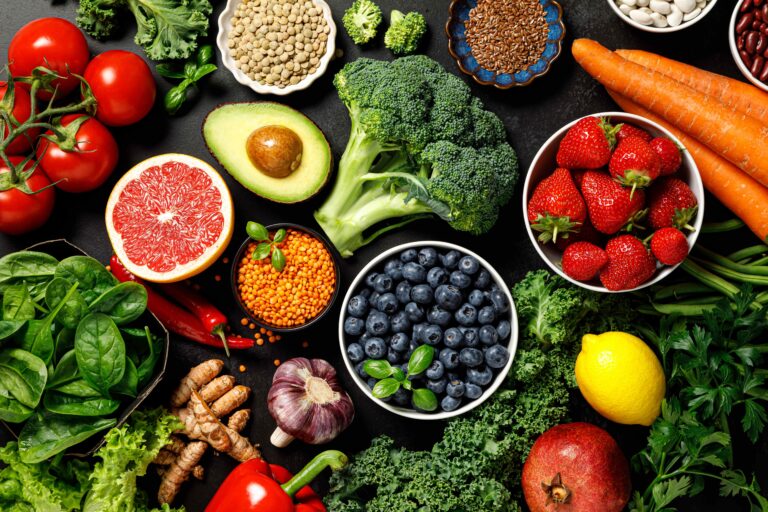
Beans, lentils, and chickpeas are often described as one of the most important foods for longevity.
They are rich in fiber, plant-based protein, and slow-digesting carbohydrates, which help stabilize blood sugar levels and support gut health. A healthy gut microbiome is strongly linked to reduced inflammation and improved overall health.
Experts even refer to legumes as one of the most accessible and effective “anti-aging” foods due to their nutritional density and affordability .
In many long-living cultures, legumes are a daily staple rather than an occasional addition.
Nuts: small foods with big protective effects
Nuts such as almonds, walnuts, and hazelnuts provide a powerful combination of healthy fats, antioxidants, and essential minerals.
These nutrients support brain function, protect blood vessels, and help reduce inflammation — all of which are key factors in slowing age-related decline.
Research suggests that regular nut consumption is associated with a lower risk of heart disease and may even contribute to increased lifespan .
Just a small daily portion can have long-term benefits.
Cruciferous vegetables: a natural defense system
Vegetables like broccoli, cauliflower, cabbage, and Brussels sprouts belong to the cruciferous family — and they are among the most studied foods in longevity research.
They contain unique compounds such as sulforaphane, which may help the body detoxify harmful substances, protect cells, and reduce the risk of chronic diseases.
Experts often describe these vegetables as a “natural shield” because of their ability to support the body’s defense systems and reduce inflammation .
Including them regularly in your diet may help protect against age-related health issues.
Fermented foods: the gut–longevity connection
One of the most overlooked keys to longevity lies in the gut.
Fermented foods such as yogurt, kefir, sauerkraut, and kimchi help maintain a healthy balance of gut bacteria. This balance is essential for digestion, immune function, and even mental health.
Scientific evidence shows that a well-functioning microbiome can reduce inflammation and support processes that slow aging .
Because of this, fermented foods are often considered a cornerstone of long-term health.
The common thread: fighting inflammation
What all these foods have in common is their ability to reduce chronic inflammation — one of the main drivers of aging and disease.
Long-term inflammation is linked to conditions such as heart disease, diabetes, and cognitive decline. By choosing foods that naturally reduce these processes, you support your body at the most fundamental level.
This is why longevity diets focus less on calories and more on quality.
What to limit for better results
While adding the right foods is important, avoiding certain habits can be just as impactful.
Experts highlight that excessive sugar, refined carbohydrates, and highly processed foods can accelerate aging by increasing inflammation and oxidative stress .
A lack of fiber can also negatively affect gut health, further contributing to long-term health issues.
A simpler approach to healthy aging
One of the most encouraging findings in longevity research is that you do not need extreme changes to see benefits.
Simple daily habits — like adding legumes to meals, eating a handful of nuts, including vegetables, and supporting gut health — can gradually improve your overall well-being.
Consistency matters far more than perfection.
Final thoughts
The concept of a “longevity diet” is not about strict rules or complicated plans. It is about making smarter, sustainable choices every day.
Foods like legumes, nuts, cruciferous vegetables, and fermented products offer powerful support for your body — helping reduce inflammation, protect cells, and promote long-term health.
Sometimes, the path to a longer life is not hidden in complex solutions, but in the simple foods you choose every day.

Anthony Brown is a wellness writer at Weekly Wellness, focusing on health, fitness, and lifestyle topics. He is passionate about helping readers build sustainable habits and improve their overall well-being through practical, research-informed advice.